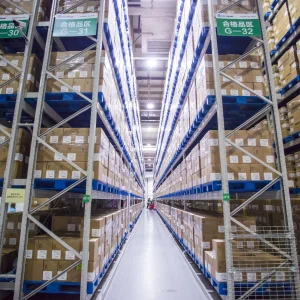
Maximize volumetric storage capacity in premium logistics corridors across Ontario, British Columbia, Quebec, and beyond.
Canada’s logistics and industrial sectors are experiencing unprecedented challenges. In primary hubs like the Greater Toronto Area (GTA), Metro Vancouver, and Montreal, land constraints and skyrocketing lease rates are forcing businesses to rethink traditional storage configurations. Warehouse space has evolved from a simple overhead cost into a strategic asset where vertical optimization is non-negotiable.
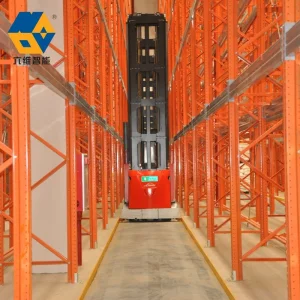
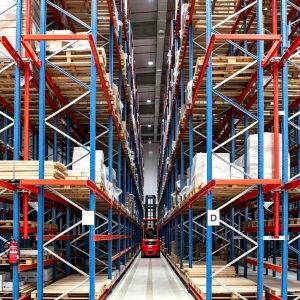
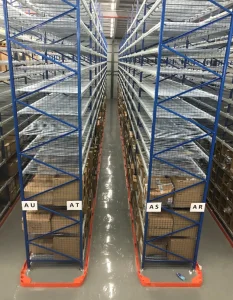
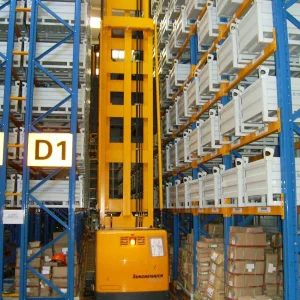
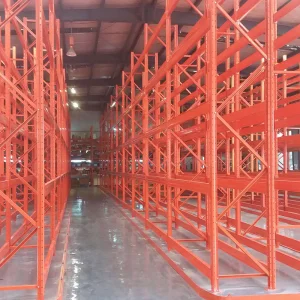
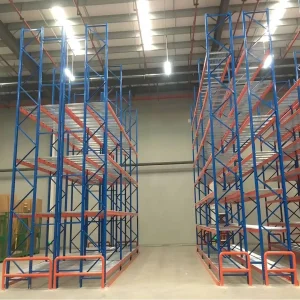
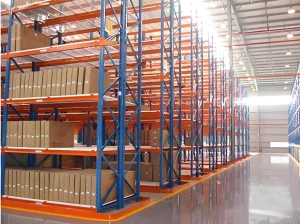
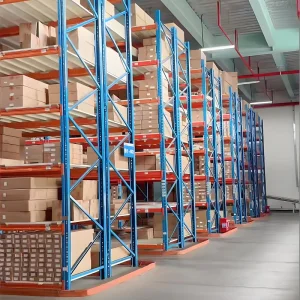
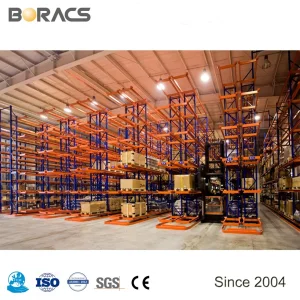
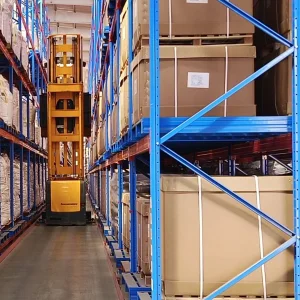
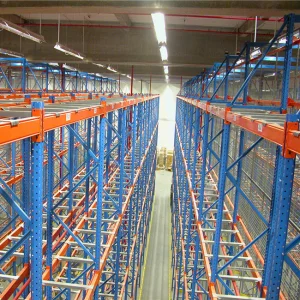
Our VNA (Very Narrow Aisle) racking systems are custom engineered to address these challenges. By reducing forklift operating aisles from the typical 3.5 meters down to as narrow as 1.6 meters, VNA racking enables storage capacity to scale upwards. When combined with specialized turret trucks or AGVs (Automated Guided Vehicles), VNA configurations allow Canadian operators to achieve up to 50% spatial gains without altering their existing warehouse envelope.
Whether navigating severe winter temperatures in cold storage distribution centers in Alberta or managing ultra-fast cold chains in Quebec, our racking solutions are optimized for structural resilience and operational velocity.
Technical innovations and economic forces driving warehouse transformation.
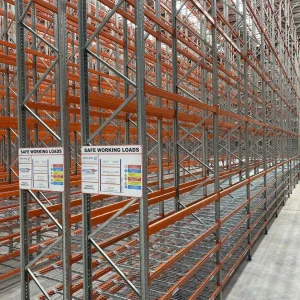
Every VNA layout we export to Canada is designed in accordance with local safety mandates, with special attention to CSA standard A344. High-bay warehouses exceeding 6 meters demand meticulous compliance regarding dynamic load variables, dynamic lean allowances, and seismic hazard classifications (specifically critical for warehouses located near Vancouver and dynamic earthquake zones along the West Coast).
To support rapid deployment, we integrate guide rails (including mechanical steel profiles or wire-induction under-floor tracking systems) that safeguard structures and operators from high-speed turret truck movement. Structural steel uprights are reinforced with heavy-duty baseplates, anchor bolts, and structural aisle protectors to sustain heavy industrial usage cycles.
How advanced automated manufacturing translates to structural superiority and cost-efficiency for Canadian distributors.
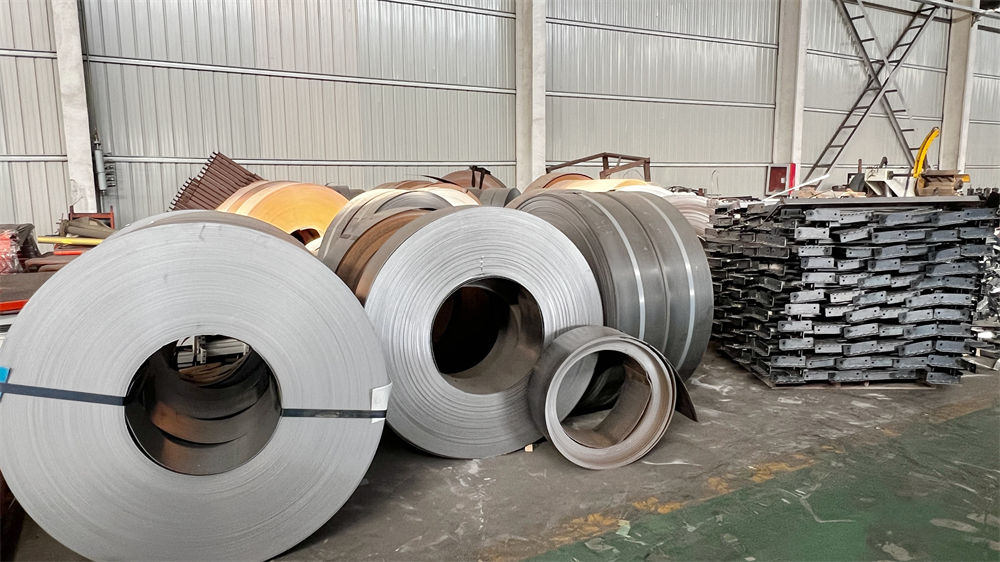
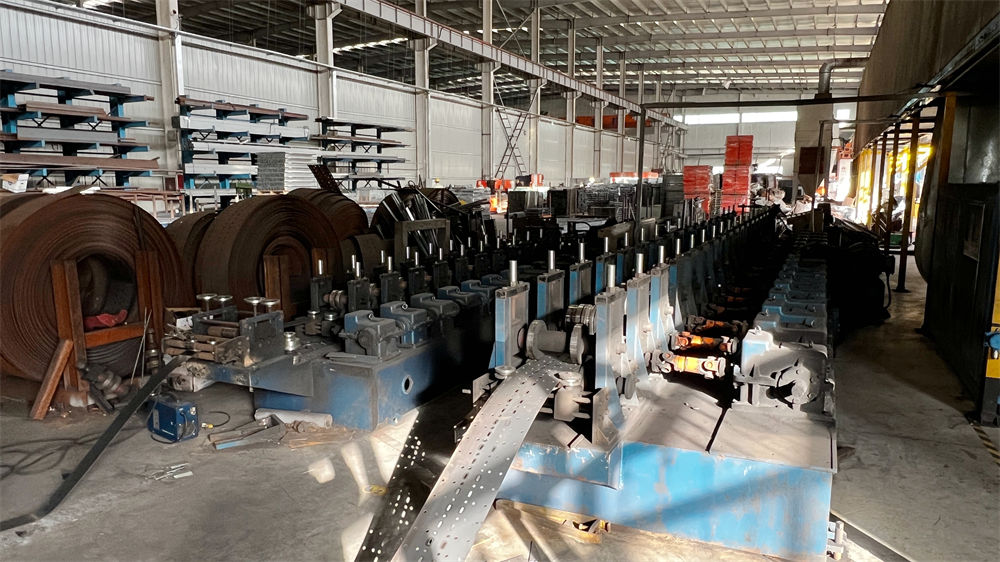
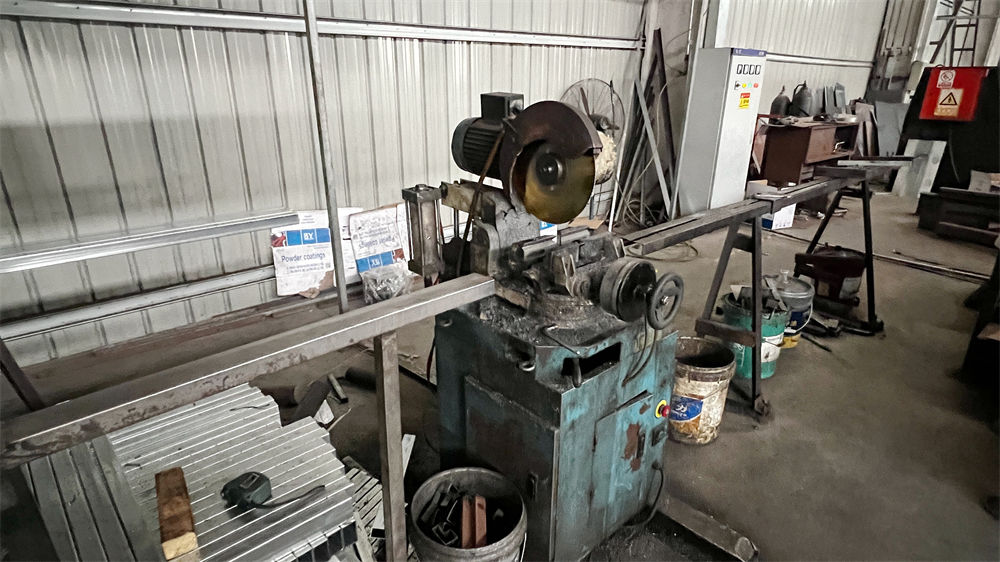
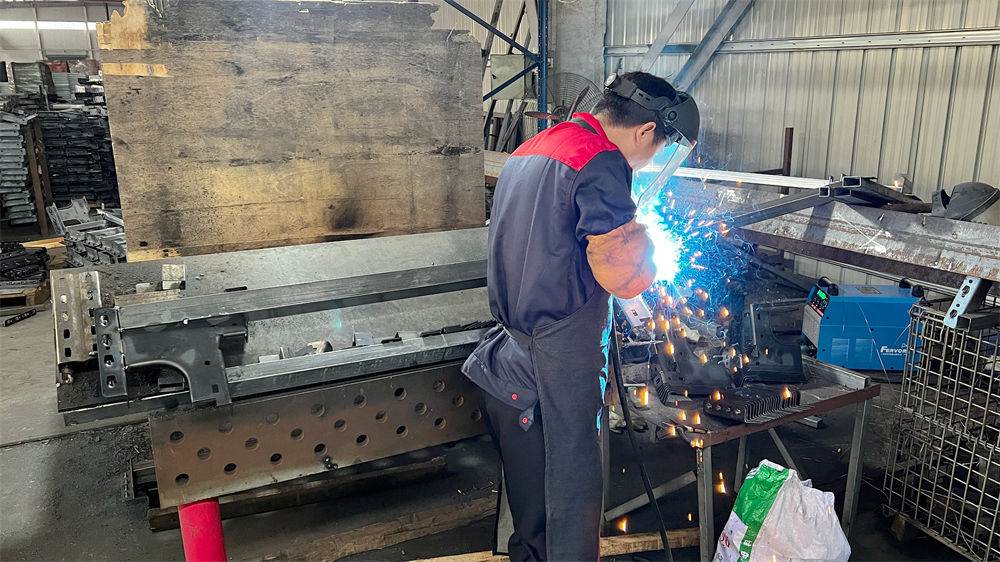
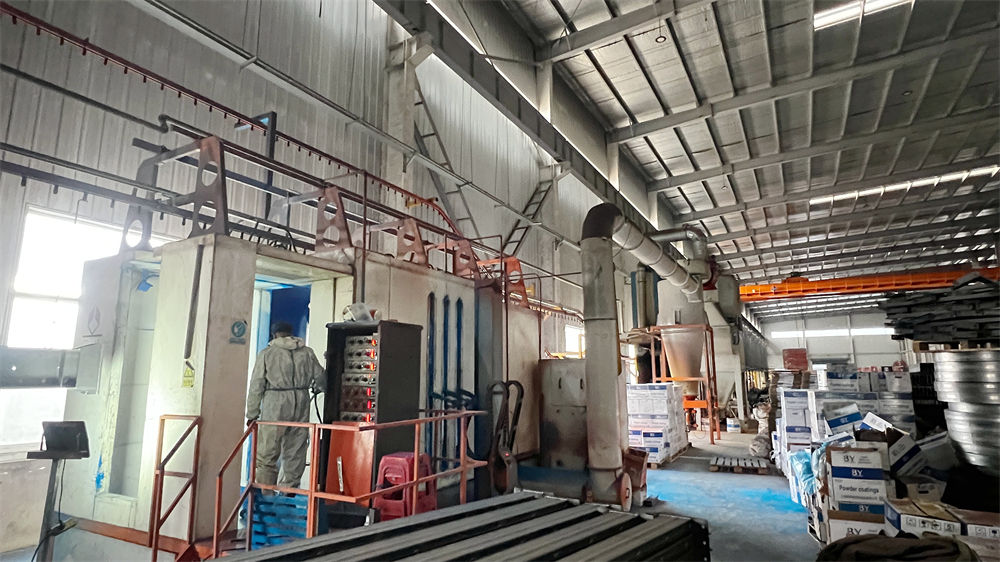
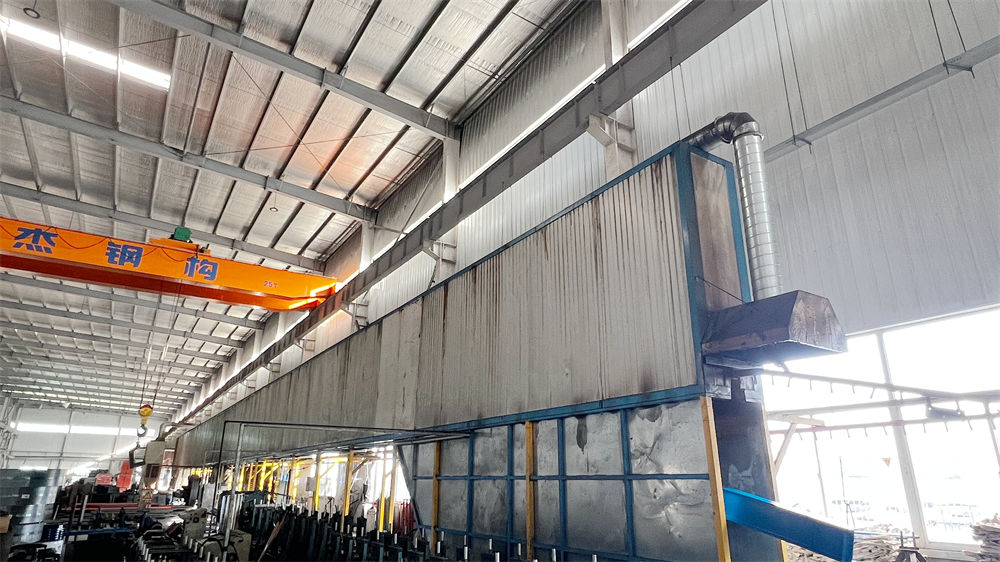
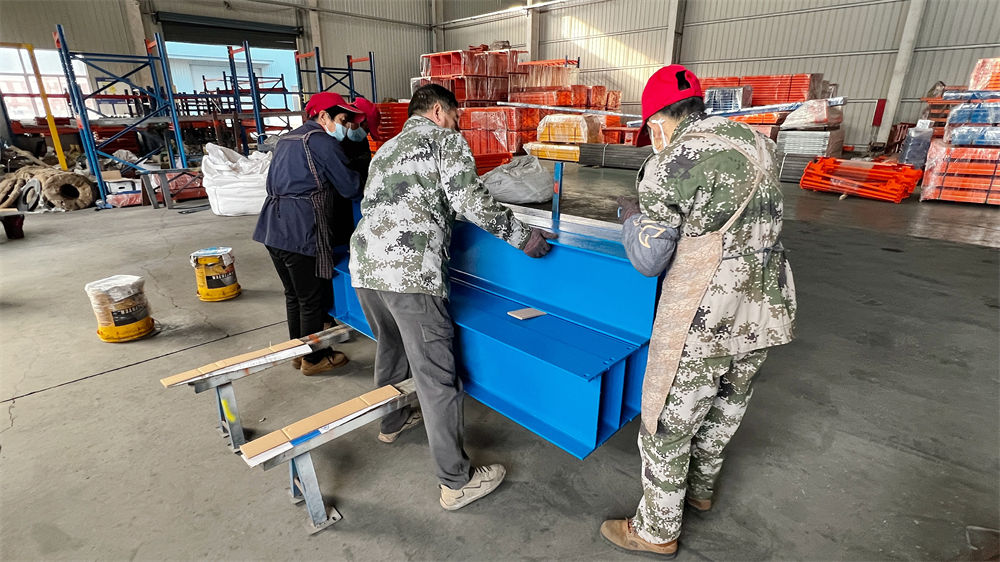
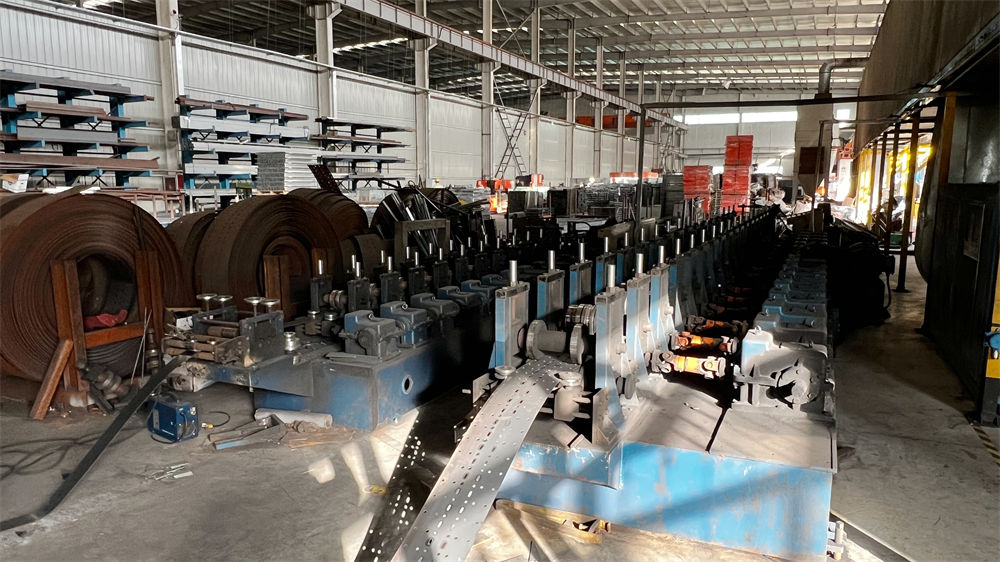
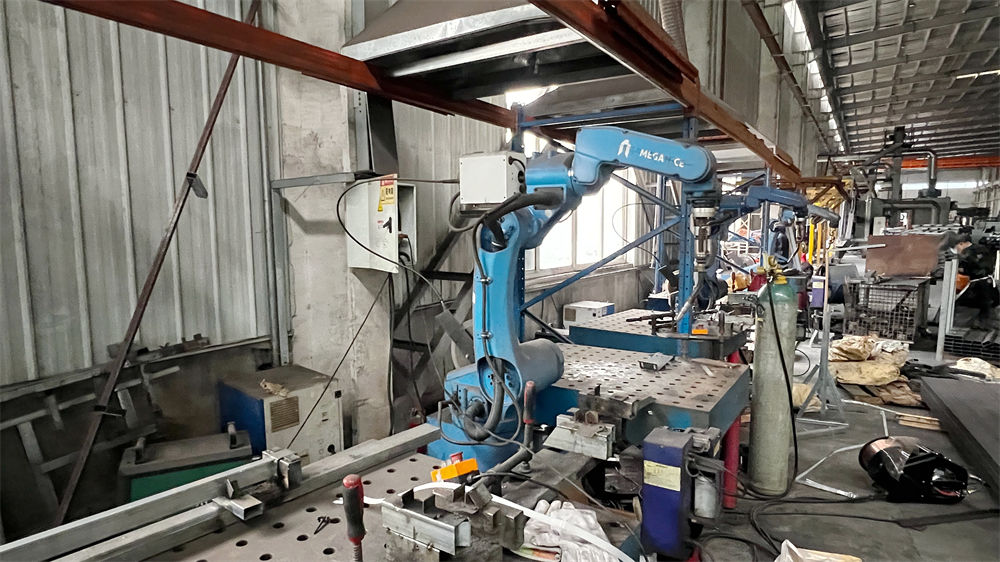
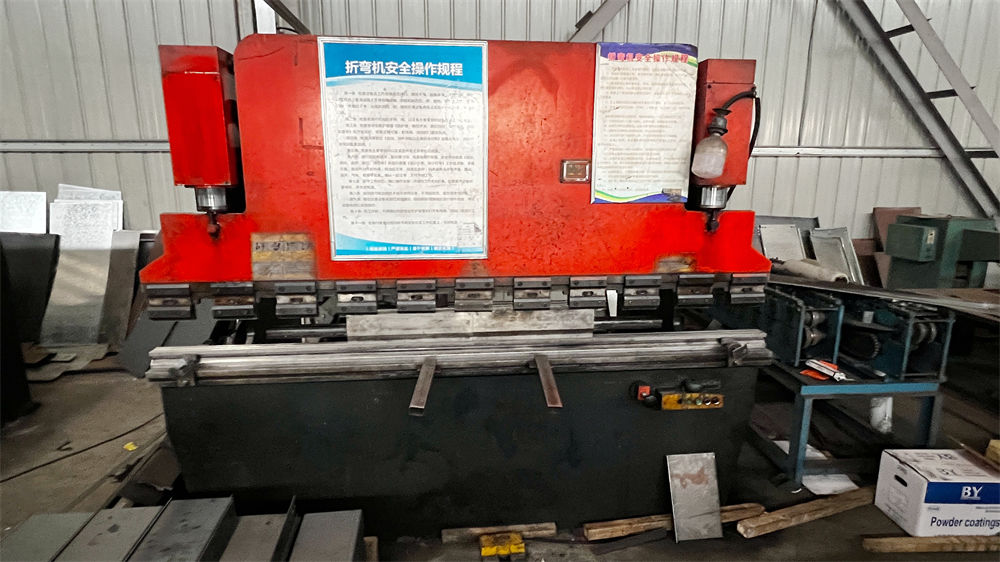
At Nanjing Ciho Racks Co., Ltd., we utilize advanced Industry 4.0 production paradigms to bridge the gap between quality control and cost-efficiency. Our manufacturing base utilizes state-of-the-art cold roll-forming mills, robotic welding arrays, and high-precision CNC punch machines. By automating structural processing, we achieve manufacturing tolerances of within tenths of a millimeter—a key criteria for high-bay VNA systems where minor vertical variations are magnified at heights of 10 to 15 meters.
Our raw materials are sourced from top-tier structural steel mills (offering high tensile strengths of Q235B and Q355B, comparable to ASTM classifications). Certified processes coupled with multi-stage quality inspections ensure that our products resist deformation under sustained loads, providing reliability throughout their service life.
Our engineering services range from drafting initial CAD schematics and structural analysis reports to exporting, shipping coordination, and providing remote installation support. This comprehensive oversight lowers the Total Cost of Ownership (TCO) for logistics providers throughout Canada.
Every stage is executed under strict quality management standards, ensuring maximum security and long life span.
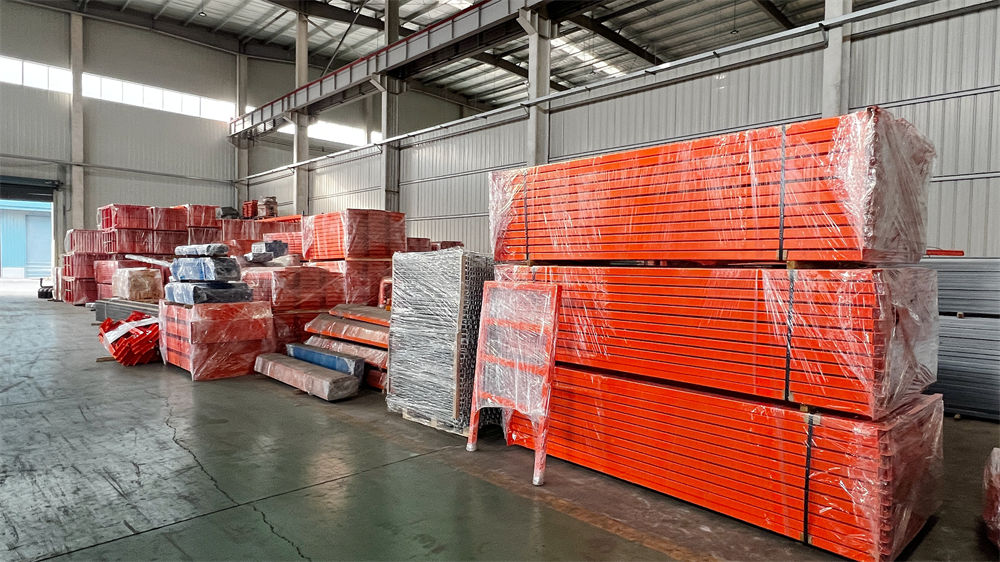
Select from our extensive product catalog designed for high density, reliability, and custom configuration.
Understanding the engineering demands of high-bay vertical storage environments.
In standard selective pallet racking systems, minor floor gradients are easily accommodated. However, for a VNA racking installation extending up to 15 meters in height, floor flatness becomes a critical variable. Operating clearance between the mast of a moving turret truck and the stored load is minimal. Under dynamic loading, even a tiny deviation in floor slope at ground level causes a corresponding displacement at the top bay, which could lead to collisions.
Canadian engineers classify VNA flooring using the F-number system (specifically FF/FL, Floor Flatness/Floor Levelness) or the British TR34 standard (Category DM1/DM2 for defined movement). When engineering VNA configurations, we design structural offsets and customized shim-plates that permit micro-adjustments during installation, accommodating variances in local concrete floor castings.
VNA trucks must be guided accurately inside operating aisles to avoid collision risk. Two systems are widely implemented:
High-bay structures in zones like Vancouver, parts of Quebec, and Coastal British Columbia must meet strict seismic requirements. Standard seismic design requires calculations for dynamic horizontal forces that may trigger buckling. At Nanjing Ciho Racks, we run computer-aided Finite Element Method (FEM) analysis on our frame columns, brace patterns, and beam connectors to guarantee structural performance. Our thick steel profile profiles, coupled with heavy-duty floor base plates and dual anchoring layouts, maintain structural integrity and security under seismic load conditions.
Answers to critical questions regarding engineering, compliance, procurement, and deployment.
 Ciho Racks