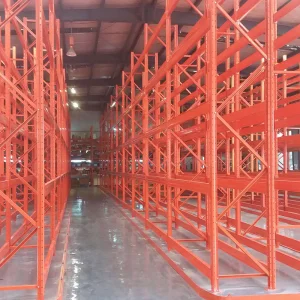
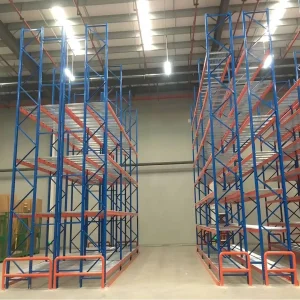
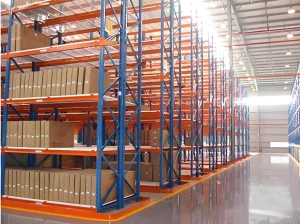
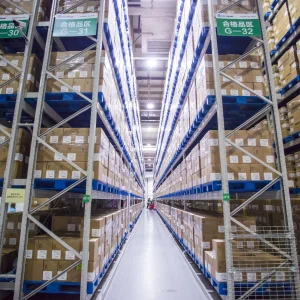
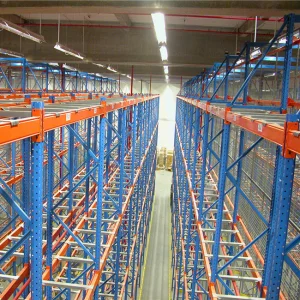
Precision-engineered high-density storage modules designed for immediate integration with turret trucks and automated systems in Los Angeles.
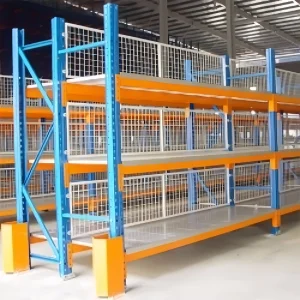
The Greater Los Angeles area, encompassing major logistical arteries like the Inland Empire, South Bay, and the Gateway Cities, stands as the most critical logistics hub in North America. With the Port of Los Angeles and Port of Long Beach processing nearly 40% of all US containerized imports, warehousing space is at an absolute premium. Industrial vacancy rates consistently hover at historic lows (under 2-3% in prime submarkets), driving land costs and lease rates to record highs. For enterprise operators, expanding horizontally is no longer a viable financial option.
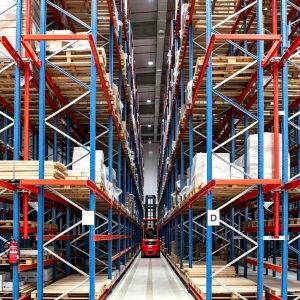
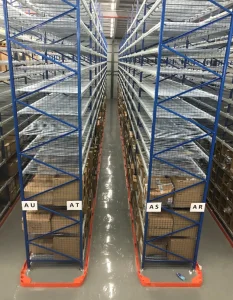
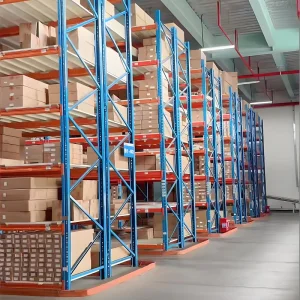
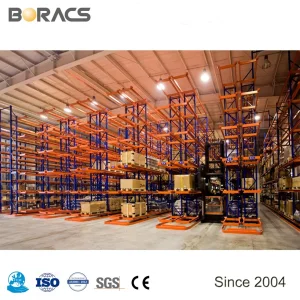
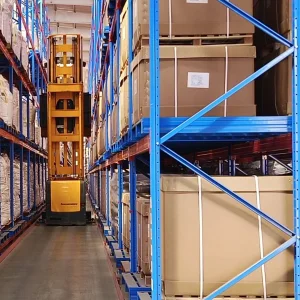
This geographic and financial reality has catalyzed a massive shift toward vertical optimization. Standard selective pallet racking layouts require forklift aisles of 12 to 14 feet. In contrast, Very Narrow Aisle (VNA) racking systems compress aisle widths down to a mere 5 to 6.5 feet, yielding a net warehouse capacity increase of up to 45% to 60% without expanding the building footprint. Implementing VNA racking in SoCal is not simply an storage upgrade; it is a critical strategy to mitigate real estate costs and maximize structural yield.
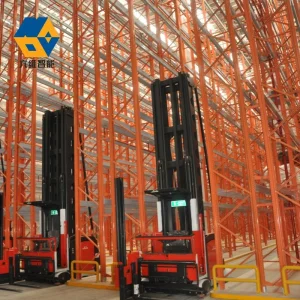
Deploying VNA racking systems in Los Angeles County requires strict adherence to seismic codes. Southern California falls within High Seismic Design Categories (SDC D through F). Under the California Building Code (CBC) and the Los Angeles Department of Safety (LADBS), high-pile storage configurations exceeding 12 feet must undergo comprehensive structural analysis. VNA systems, which frequently reach heights of 40 to 60 feet, demand precision engineering. Steel thicknesses, heavy-duty baseplates, high-tensile anchoring systems, and floor flatness ratings (superflat floors matching DIN 15185 or ACI F-min standards) must satisfy stringent municipal structural wet-stamping requirements before operating permits are issued.
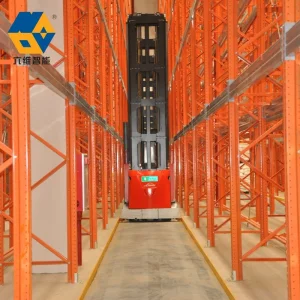
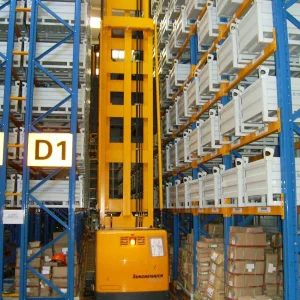
A true high-performance VNA Racking System functions as a highly integrated cyber-physical asset. Unlike standard racking, a VNA system must operate in lockstep with specialized material handling equipment (such as man-up/man-down turret trucks, articulated forklifts, or semi-automated AGVs). Below is the technical structural breakdown of our VNA engineering roadmap:
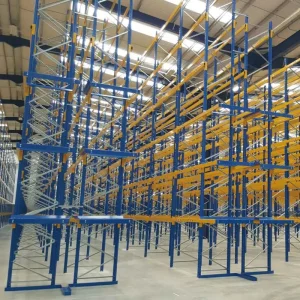
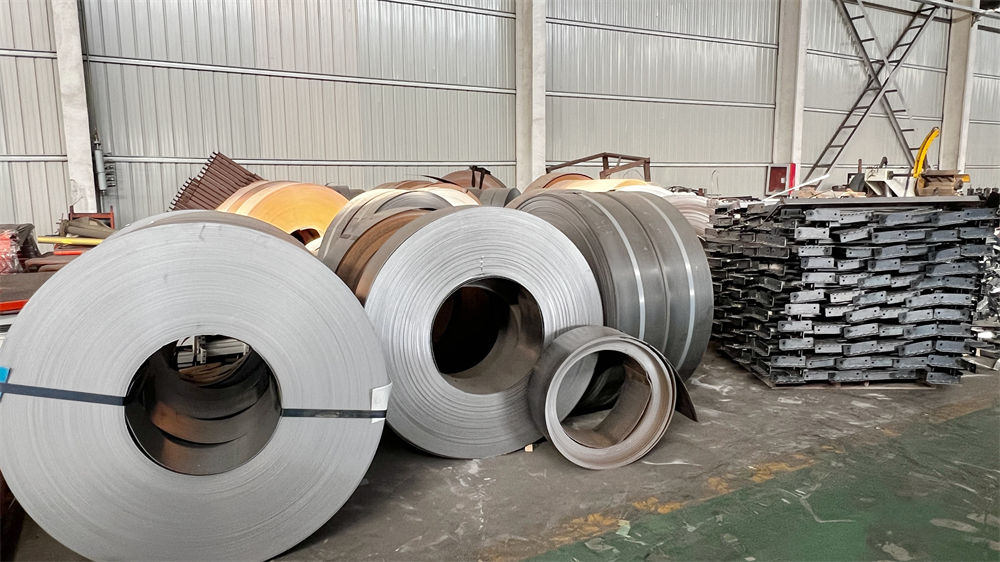
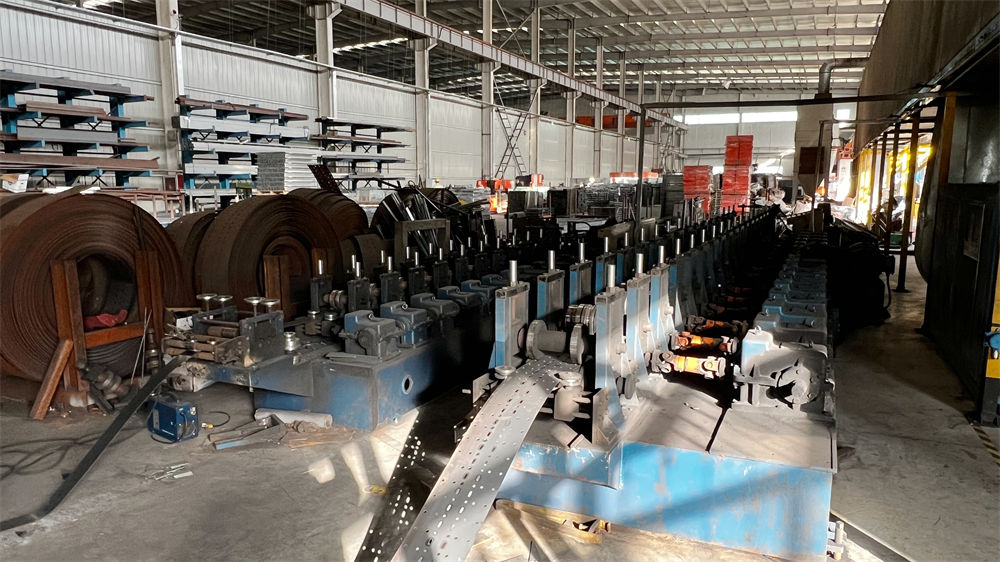
Manufactured using high-strength structural Q355B/SS400 steel (equivalent to ASTM A1011). Structural upright profiles are cold-roll formed with robust, continuous multi-point bracing to resist high dynamic and torsional forces.
Supports both floor-mounted steel physical guide rails (heavy-duty hot-rolled profiles) and electromagnetic wire guidance systems embedded within the concrete slab to prevent forklift collisions at high travel velocities.
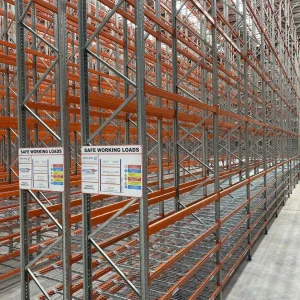
Configured with oversized baseplates, dual-anchoring patterns, structural back-to-back ties, and optional rack-backing mesh to comply with FEMA 460 and RMI (Rack Manufacturers Institute) MH16.1 design parameters.
Precision-toleranced frame manufacturing allows seamless transition from traditional operator-led turret systems to automated crane-based AS/RS or shuttle systems, providing future-proof utility.
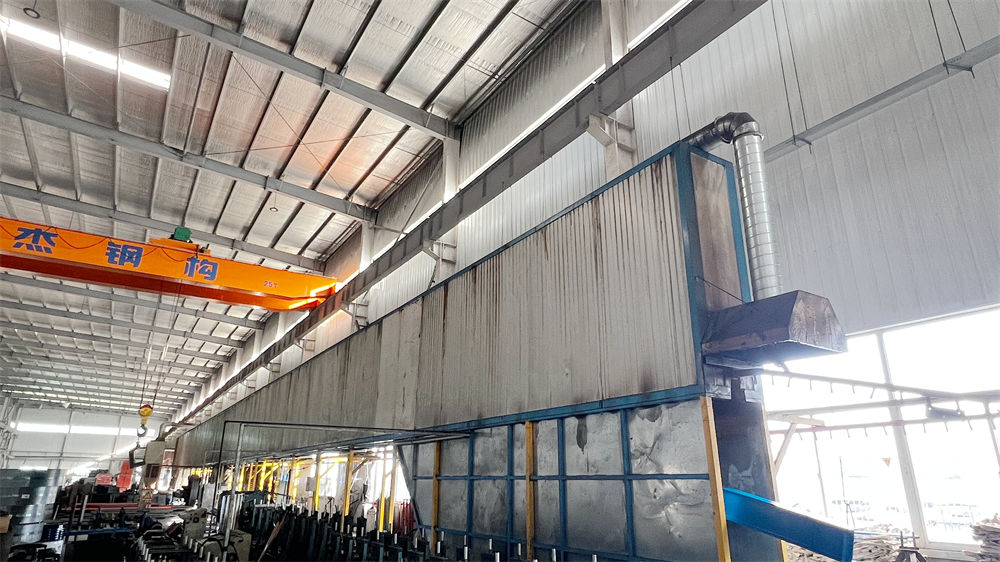
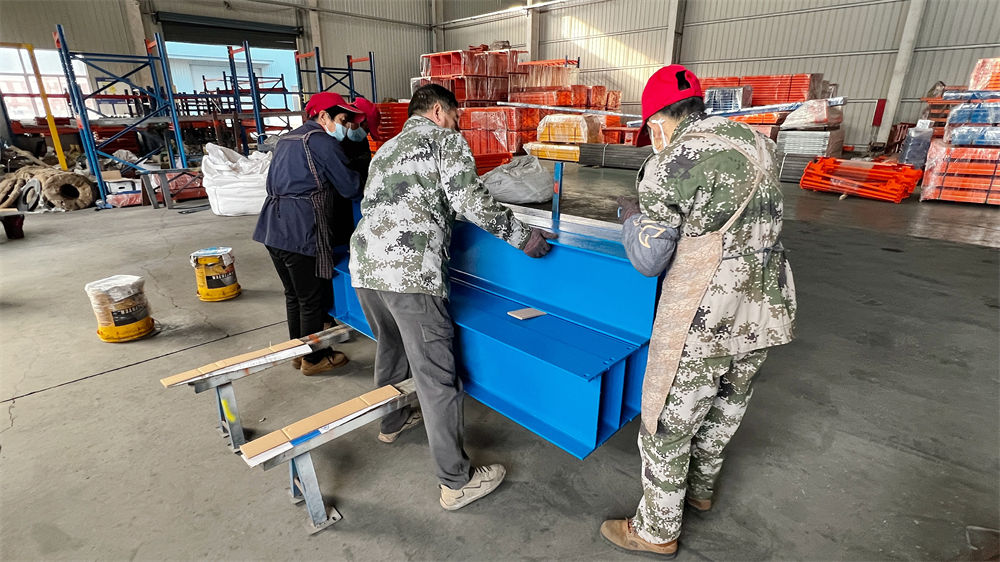
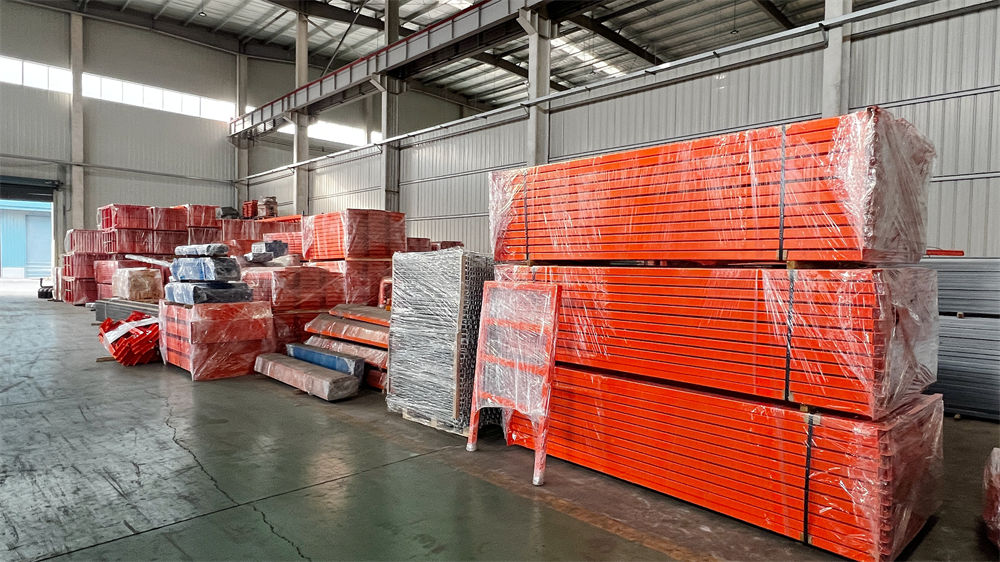
Nanjing Ciho Racks Co., Ltd. is a globally established manufacturer and exporter specializing in industrial warehouse storage solutions. Leveraging advanced automated manufacturing lines, we design and produce high-tolerance racking platforms that serve critical supply networks in North America, Europe, and Asia. Our direct-to-port logistics pipeline connects our advanced manufacturing base to the Port of Los Angeles, ensuring short lead times, direct wholesale pricing, and verified quality standards.
Our Core Advantages:
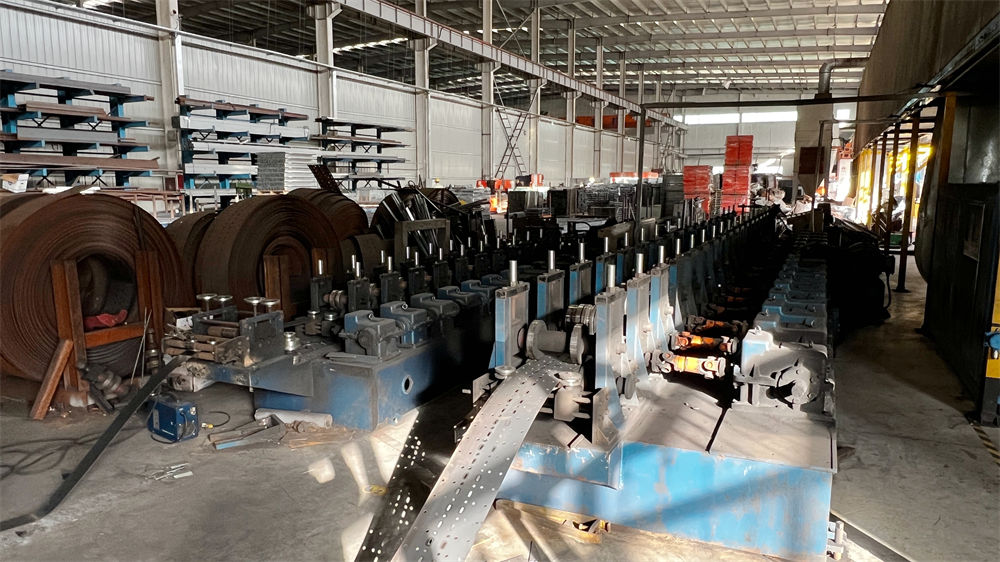
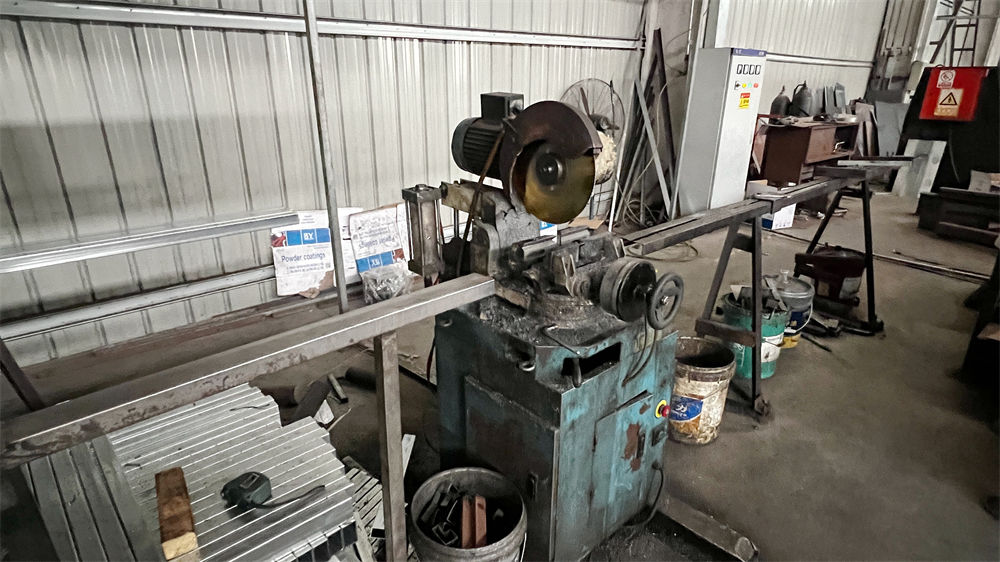
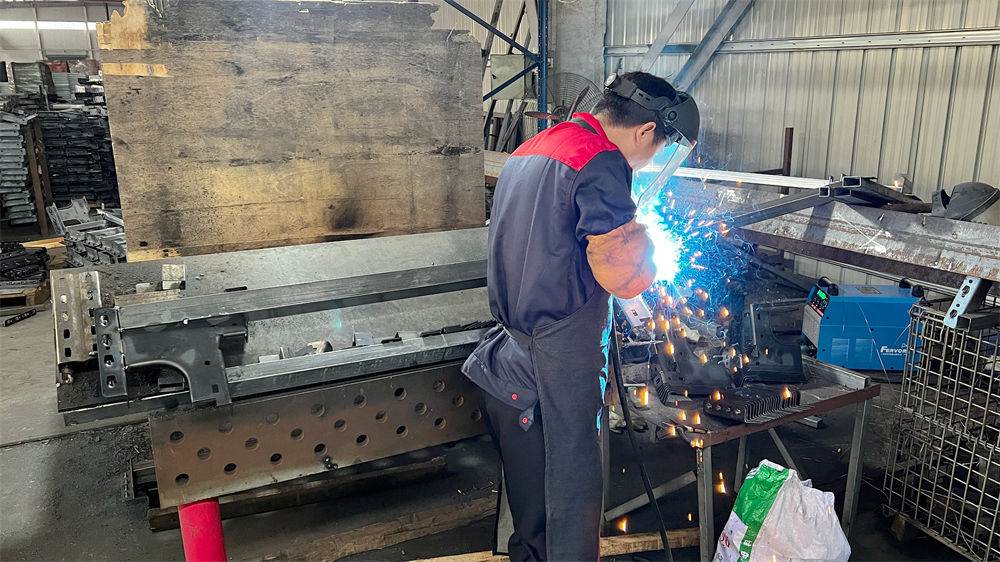
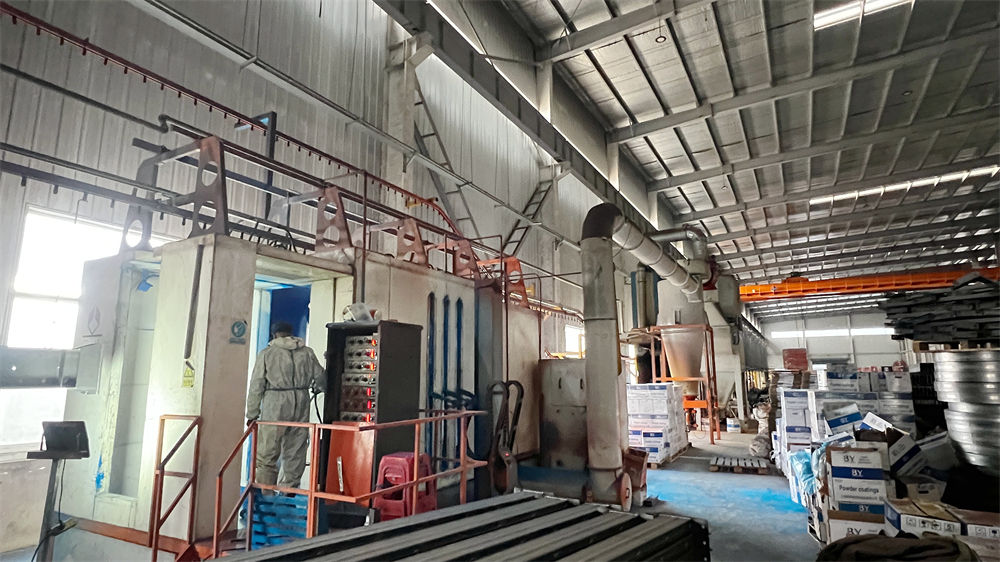
VNA racking systems are custom engineered to solve the complex physical challenges of high-throughput distribution environments. Depending on the cargo characteristics and ambient operational conditions, Nanjing Ciho provides targeted solutions:
Refrigerated space incurs high capital and operational costs. Operating a cold storage facility in the Los Angeles basin demands maximum thermal efficiency. Standard warehouses waste massive amounts of refrigerated volume on wide forklift aisles. By narrowing the aisles to less than 6 feet with VNA racking, operators can increase pallet density by 50% or more, reducing cooling overhead per pallet position.
E-commerce giants and 3PL providers face extreme volume fluctuations and require 100% selectivity to meet rapid picking requirements. Unlike drive-in or push-back systems that compromise selective access, VNA racking provides direct access to every single pallet position. When integrated with wire-guided man-up turret trucks, operators can pick cases at lower levels and access full pallets at upper levels concurrently, optimizing operational cycle times.
Space Utilization Increase
Maximum Design Elevation
Individual Pallet Selectivity
Seismic Design Capabilities
Procuring raw material assets from global manufacturers requires strict risk mitigation. Purchasing from Nanjing Ciho Racks Co., Ltd. ensures clear commercial advantages for North American operations:
Browse our complete engineering range of structural narrow-aisle frames, beams, and safety configurations matching standard US configurations.
In California, installing industrial steel racking requires engineering permits and strict regulatory compliance. Standard pallet structures can undergo significant stress due to seismic activity, high-tonnage cargo, and fast-paced warehouse workflows. At Nanjing Ciho Racks, we align our manufacturing standards with structural codes relevant to Los Angeles County and international guidelines:
The Rack Manufacturers Institute (RMI) publishes the leading specification for the design, testing, and utilization of industrial steel storage racks (ANSI MH16.1). Our engineering processes maintain tolerances and load limits in accordance with these standards, ensuring calculations withstand third-party structural reviews.
Installing racks higher than 8 feet, or high-pile storage configurations over 12 feet, requires local building permits. We support regional operations by providing comprehensive documentation, engineering drawings, and calculations required for local permit processing. This includes providing dynamic seismic calculations based on local geographic coordinates.
Because VNA structures utilize maximum vertical height, they can alter the path of building sprinkler systems. The National Fire Protection Association (NFPA 13) requires clear layouts for high-pile storage configurations. Our engineering designs offer options for integrated in-rack sprinkler mounts, wire mesh decking for clear drainage, and custom longitudinal flues to help you comply with local fire regulations.
Critical engineering, compliance, and logistical questions answered by our technical racking team.
Connect directly with our engineering and logistics specialists. We provide free layout analysis, structural calculations, and direct-to-port export pricing options for your Los Angeles operation.
Send Inquiry Now Ciho Racks