Engineered for heavy-duty structural load-bearing capacity, modularity, and rapid warehouse and storefront execution.
How modern intralogistics and structural engineering drive retail space efficiency and warehouse optimization.
In modern supply chains and mega-retail infrastructure, physical space is a direct variable of operational profitability. Whether managing a multinational supermarket chain or establishing a highly automated distribution center, selecting the appropriate structural shelving is critical. Gondola displays and industrial storage systems represent the backbone of this spatial optimization, facilitating both front-end product visualization and back-end inventory management.
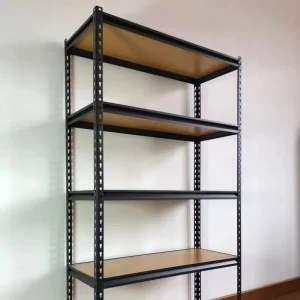
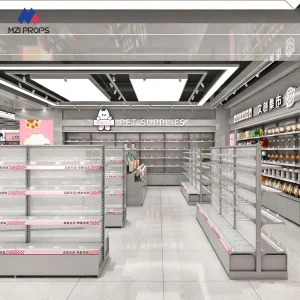
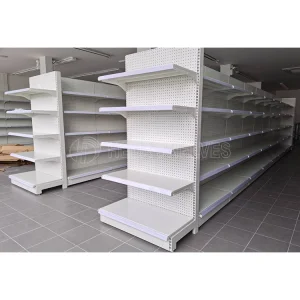
A Gondola display is a freestanding store fixture used by retailers to display merchandise. Unlike standard wall shelving, gondolas are double-sided, modular, and designed to support high volume distribution on the sales floor. Key structural components include the upright frame, the base shoes, and the adjustable shelving levels.
The engineering behind high-density retail shelving focuses on weight distribution and stability. Top-tier manufacturers utilize heavy-gauge sheet steel to form the slotted uprights. This allows merchants to reconfigure shelves at standard increments (typically 25mm to 50mm) to prevent vertical space wastage. When selecting a Gondola supplier, purchasing departments must verify the quality of the upright steel, the load rating per bracket (typically ranging from 80kg to 150kg per shelf), and the inclusion of safety lock mechanisms to prevent accidental dislodgement.
For hybrid retail models, such as warehouse clubs (e.g., Costco or Sam’s Club) and large-scale home improvement outlets, the boundary between retail display and industrial storage is blurred. These facilities require hybrid racking systems where the lower sections serve as consumer-facing display shelves, while the upper tiers (pallet racks) store reserve inventory.
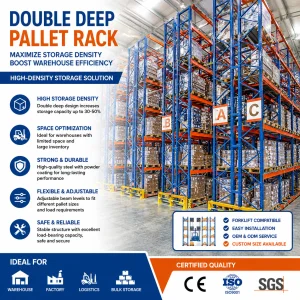
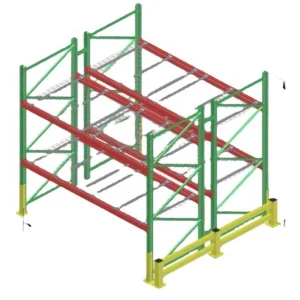
This integration requires strict safety parameters, structural calculations, and seismic anchoring. The upright frames must withstand potential forklift impact, demanding structural design elements like heavy-duty baseplates, column protectors, and frame deflectors. The double-deep pallet racks and mezzanine platforms produced by specialized manufacturers like Nanjing Ciho Racks Co., Ltd. are engineered to handle these multi-tier requirements safely.
Nanjing Ciho Racks Co., Ltd. is a professional manufacturer and supplier specializing in warehouse storage systems and industrial racking solutions. With years of experience in the material handling industry, we are committed to providing efficient, durable, and cost-effective storage solutions for customers worldwide.
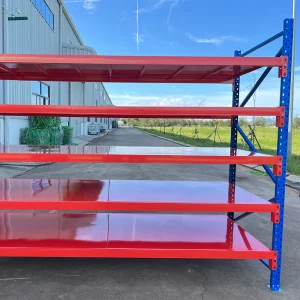
Our product range includes selective pallet racks, drive-in racks, cantilever racks, mezzanine systems, longspan shelving, steel platforms, carton flow racks, and customized warehouse storage solutions. Designed for maximum space utilization and operational efficiency, our products are widely used in logistics centers, manufacturing facilities, distribution warehouses, e-commerce fulfillment centers, and retail storage applications.
At Ciho Racks, quality is our top priority. From product design and raw material selection to manufacturing and final inspection, every step is carried out under strict quality control standards to ensure reliability, safety, and long service life. Our experienced engineering team works closely with customers to develop tailored storage solutions that meet specific warehouse requirements.
Driven by innovation, customer satisfaction, and continuous improvement, we have established long-term partnerships with clients across Europe, North America, Southeast Asia, the Middle East, and many other regions.
Nanjing Ciho Racks Co., Ltd. is dedicated to delivering high-quality products, competitive pricing, on-time delivery, and professional technical support. We look forward to becoming your trusted partner for warehouse storage and logistics solutions.
To optimize warehouse space and improve logistics efficiency by providing innovative, safe, and reliable storage solutions for customers around the world.
Why global procurement departments concentrate their metal fabrication supply lines in Eastern China.
The manufacturing of steel display shelves and warehouse racking is resource-intensive, relying on high steel grade consistency, energy-efficient metal shaping, and automated powder coating lines. China, particularly the Nanjing region, has established a dominant cluster for storage systems.
Nanjing is situated in close proximity to major domestic steel mills. This proximity ensures a constant supply of high-grade raw steel (such as Q235B and Q355B structural grades). The concentration of raw material processors, structural testing labs, and surface finishing chemical suppliers within a 200km radius minimizes transportation costs and lead times.
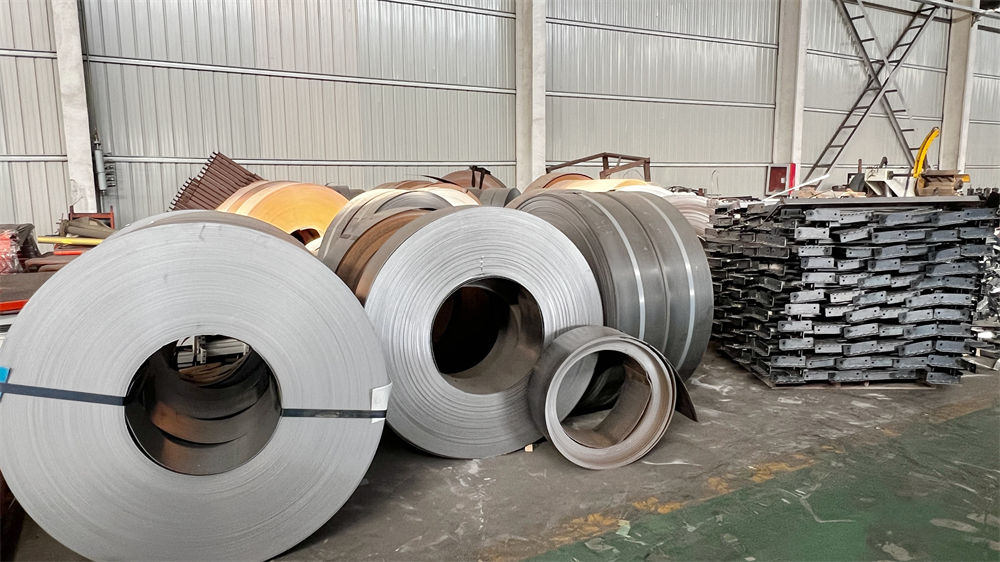
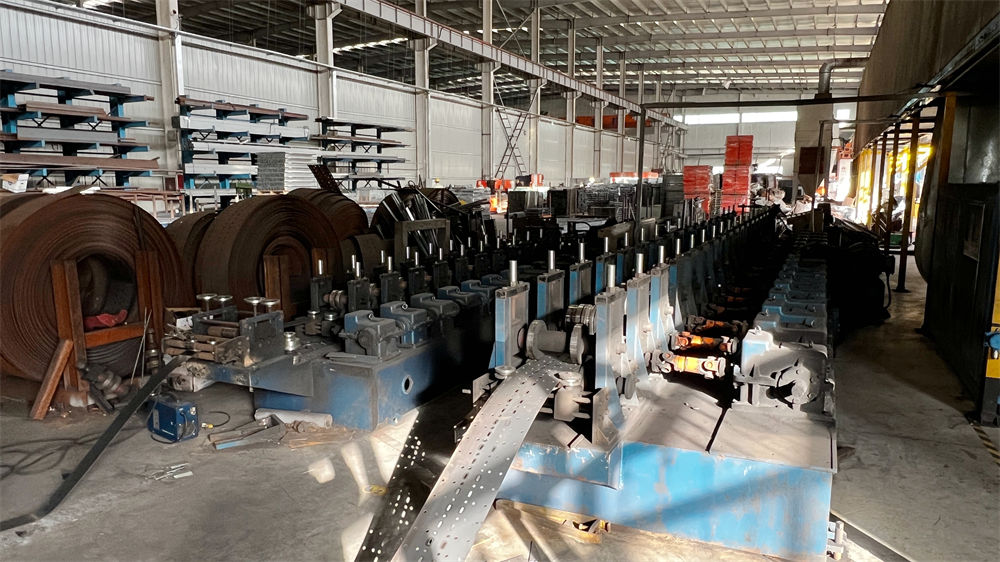
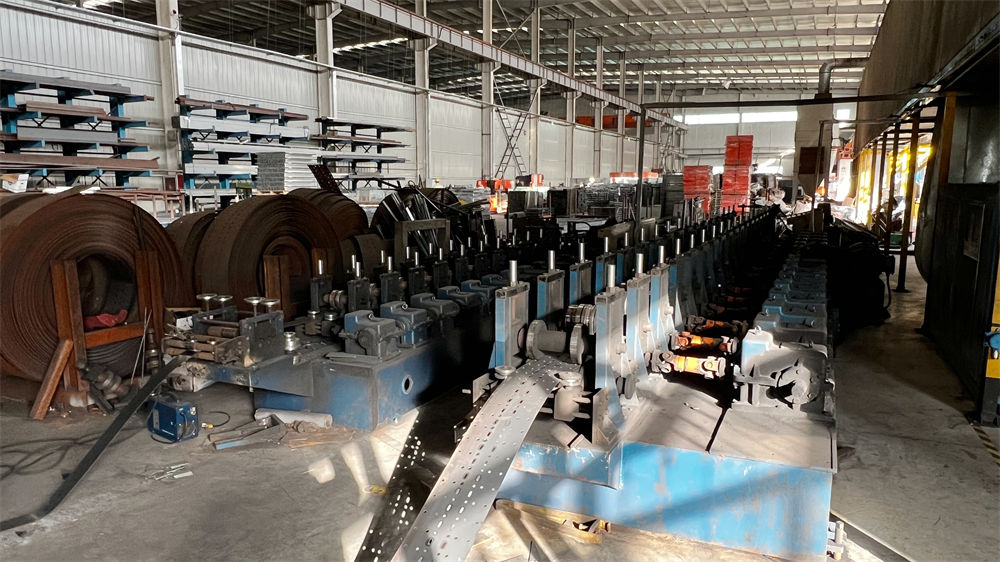
Modern retail shelf design requires highly precise roll-forming and punch configurations. Tolerances must be kept within fractions of a millimeter to ensure that upright slots align across long structural runs. Chinese manufacturers utilize automated roll-forming lines that continuously shape sheet metal into complex profiles, introducing work hardening to increase structural load limits without increasing dead weight.
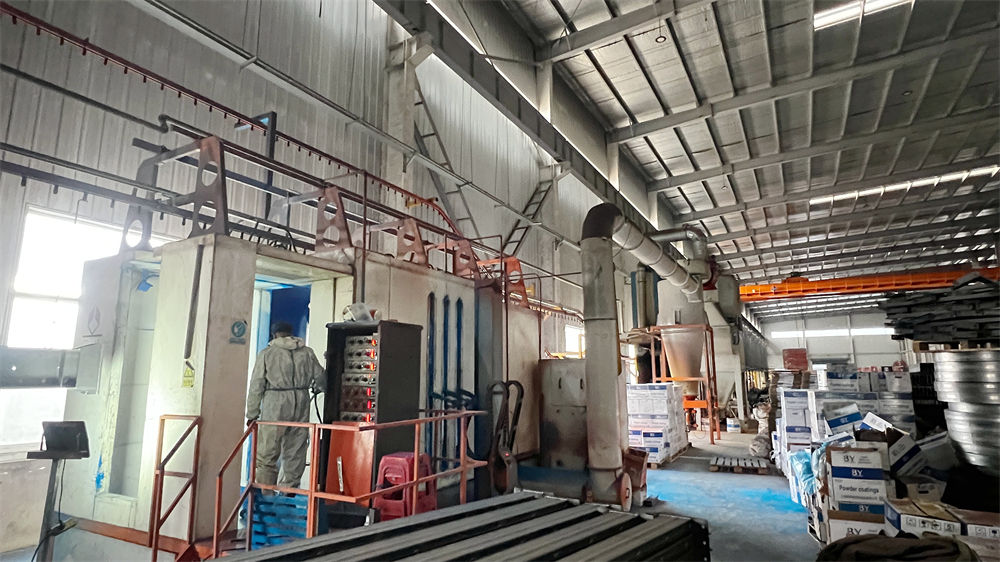
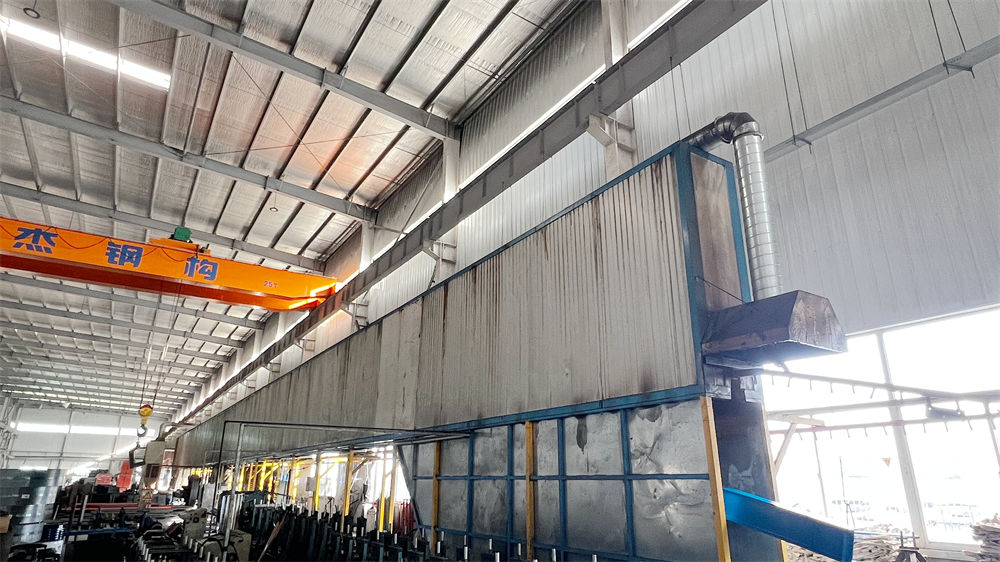
Corrosion protection determines the lifespan of racking systems. High-quality Chinese manufacturers employ multi-stage pre-treatment washes (phosphating and degreasing) followed by electrostatic powder deposition and high-temperature baking. These processes must comply with strict national environmental codes, meaning that certified manufacturers utilize eco-friendly, lead-free powder formulations that conform to RoHS and REACH certifications for international markets.
| Racking Type | Ideal Application | Load Capacity (Per Level) | Adjustability & Flexibility | Structural Profile |
|---|---|---|---|---|
| Gondola Display Shelves | Supermarkets, Grocery, Convenience Stores | 80 kg - 150 kg | High (25/50mm increments) | T-Wind or L-Leg Uprights, Metal Pegboard Back |
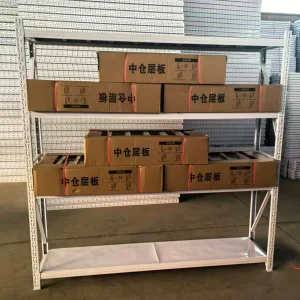
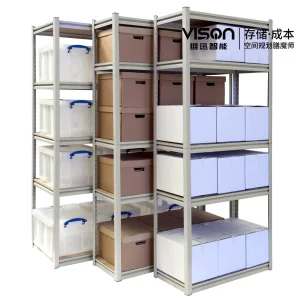
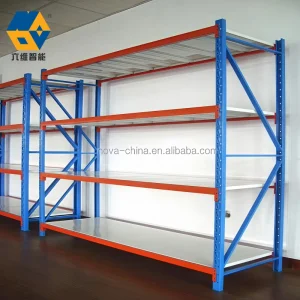
| Longspan Shelving | E-commerce Fulfilment, Spare Parts, Archive | 300 kg - 800 kg | Medium-High (Boltless Rivet/Z-Beam) | Medium upright frame, step-beams with steel panels |
| Selective Pallet Racking | Industrial Warehousing, Cold Storage, FMCG | 1,000 kg - 4,000 kg | Medium (Bolt-on connectors) | Heavy box-beams, structural roll-formed uprights |
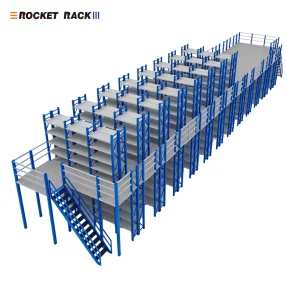
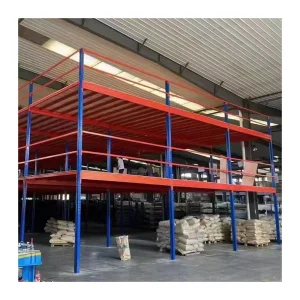
| Mezzanine Systems | High-Ceiling Logistics Centers, Multi-Tier Stores | 300 kg - 1,000 kg / sqm | Fixed Structure (Modular Extension) | Heavy-duty column supports, primary/secondary beams |
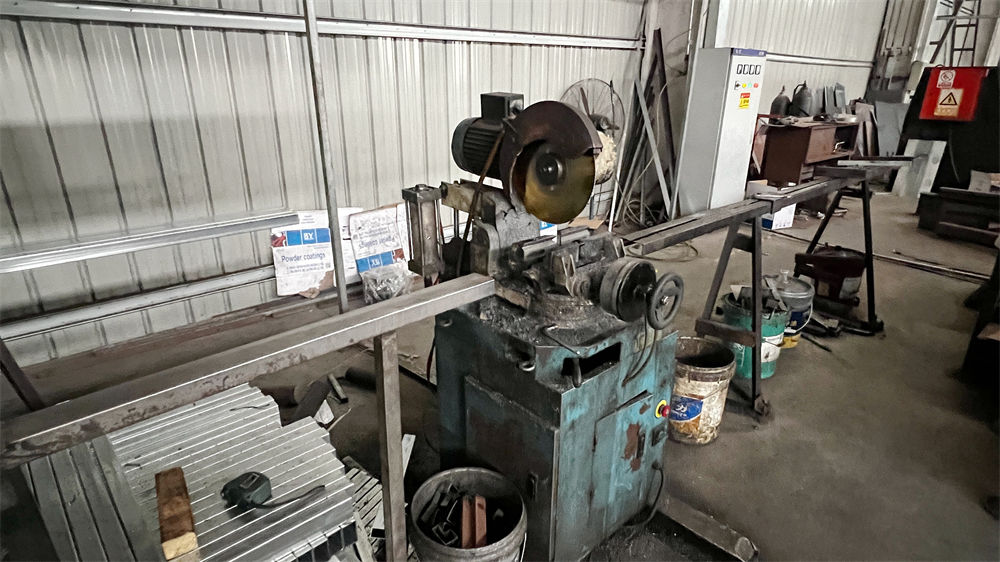
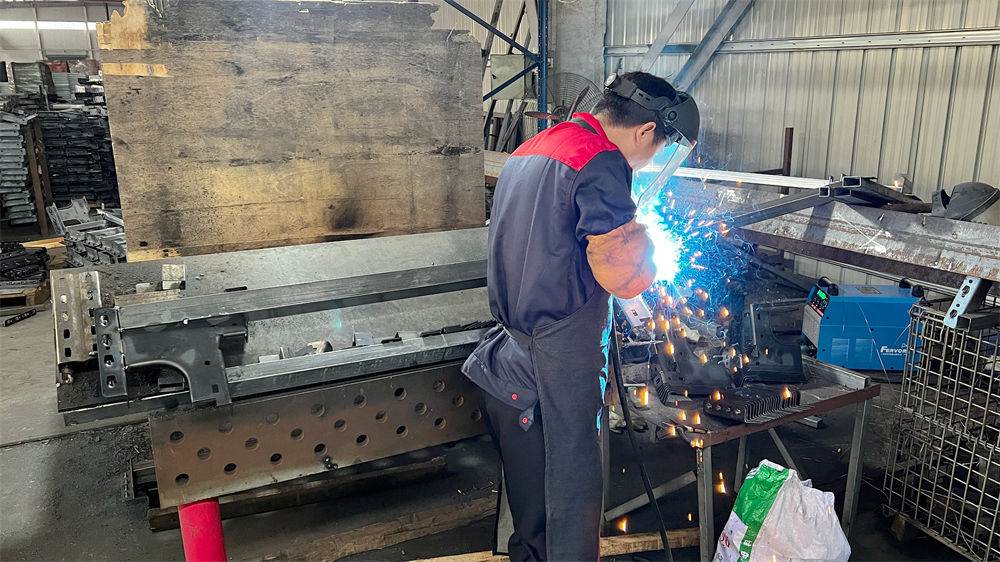
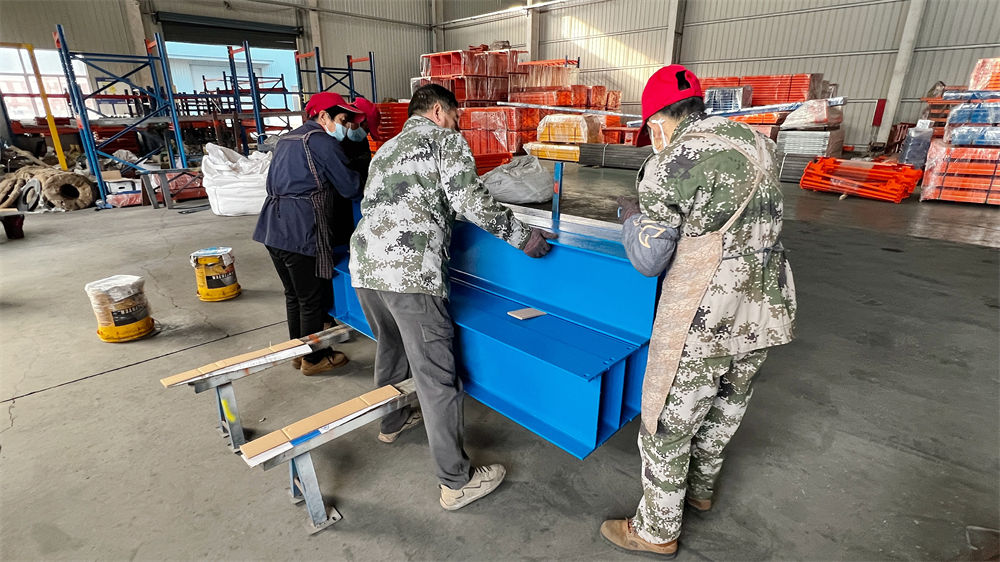
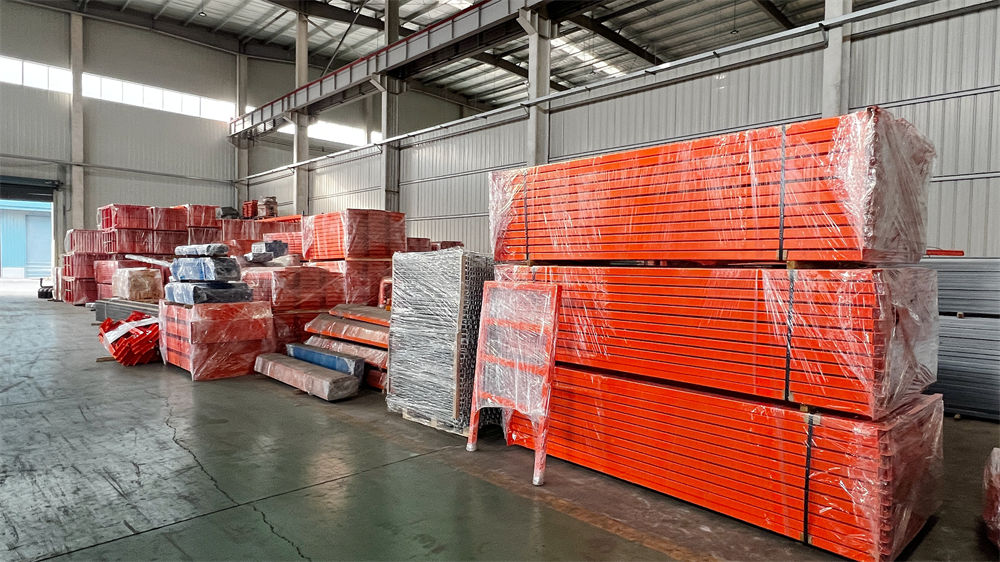
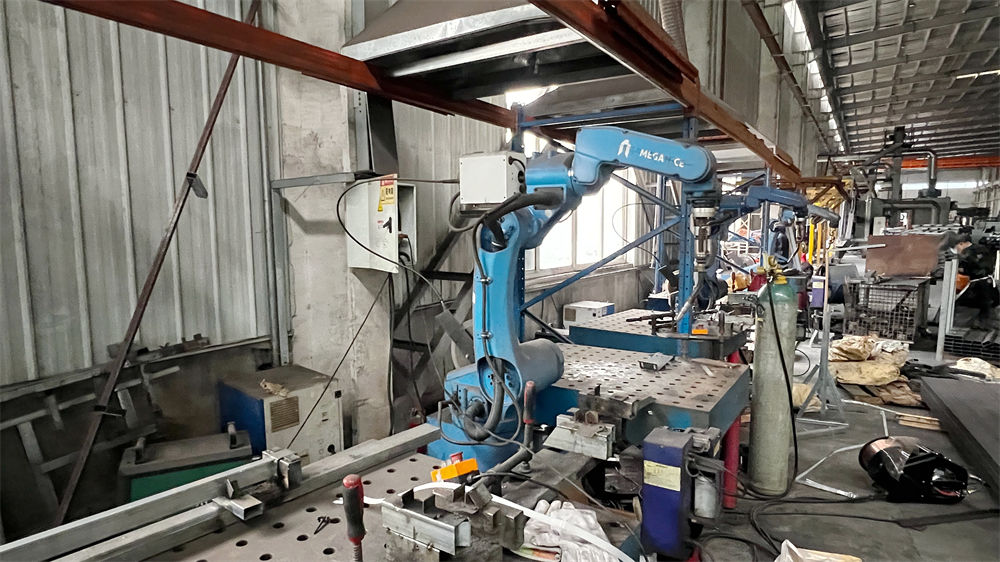
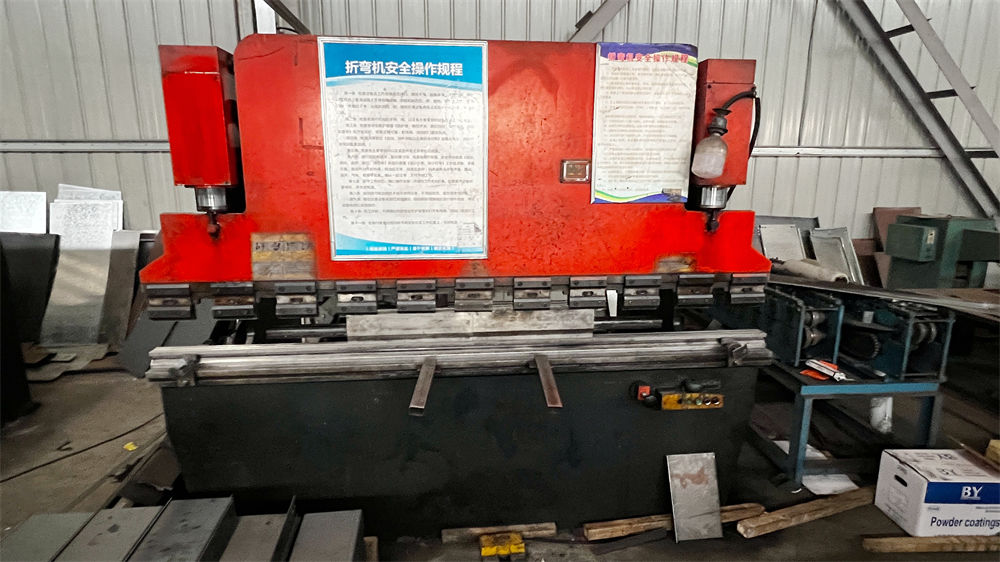
Under strict quality control standards, our automated production lines turn raw steel into precision storage products.
Navigating regional building codes, fire regulations, and supply chain logistics for international rollouts.
B2B sourcing of metal structures is subject to strict engineering and building regulations. A failure to comply can lead to installation shutdowns, municipal fines, or catastrophic collapses.
In seismic regions (such as California, parts of Japan, New Zealand, and Southern Europe), storage racks are categorized as non-building structures. They must be designed to withstand specific lateral forces. Qualified engineers must perform finite element analysis (FEA) to confirm that the upright profiles, baseplates, and expansion bolts can handle the local seismic coefficients.
Large retail spaces and distribution warehouses are protected by automatic sprinkler systems. Under standards like NFPA 13 (National Fire Protection Association), storage layout designs must facilitate vertical water flow. This often requires substituting solid steel display decks with wire mesh decking or perforated panels. This ensures that sprinkler water can penetrate lower shelving levels, preventing fire spread and satisfying municipal building inspector audits.
For public-facing retail environments, Gondola shelving must comply with accessibility guidelines (such as the Americans with Disabilities Act). This regulates display heights, aisle clearances, and reach ranges. Furthermore, base shelves must project sufficiently to maintain a stable center of gravity, preventing tip-overs when children or heavy loads place off-center stress on the upper levels.
How structural steel shelving is adapting to digital inventory, micro-fulfillment, and carbon footprint mandates.
The storage and retail industry is adapting to new technology, changing how physical steel displays are configured and manufactured:
Essential questions answered by engineering professionals on retail shelving procurement, structural design, and logistics.
Engineered for large-scale logistics centers, heavy machinery distribution hubs, and specialized display environments.
 Ciho Racks