Ciho Racks
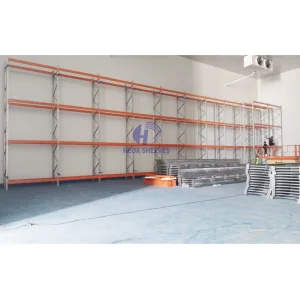
Engineered systems matching modern automated warehousing parameters in Ho Chi Minh City.
As global trade continues to implement "China+1" diversification strategies, Vietnam—and specifically the industrial zones surrounding Ho Chi Minh City (HCMC) like Binh Duong, Dong Nai, and Long An—has emerged as a prime global manufacturing and logistics hub. The influx of FDI and the rapid development of local e-commerce, electronics assembly, and cold storage sectors have driven warehouse space costs to record levels.
Faced with escalating land acquisition and warehouse rental costs, industrial operators cannot afford to rely on basic selective storage systems. High-density optimization is a primary operational mandate. In this challenging landscape, Double Deep Pallet Racking acts as a bridge solution: matching the density profiles of complex automated solutions while maintaining the capital expenditure profile of static racking systems.
Industrial sourcing managers in HCMC and globally demand solutions that address these key factors:
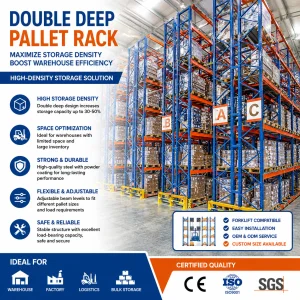
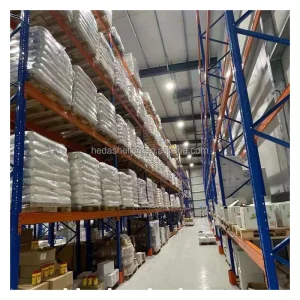
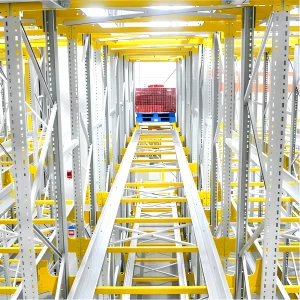
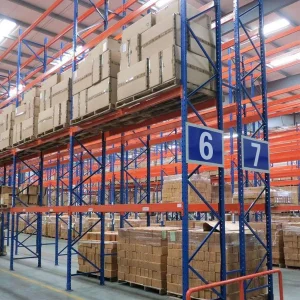
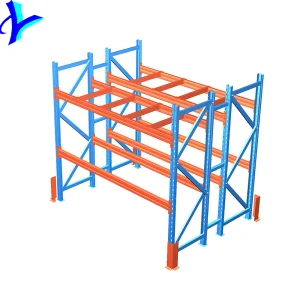
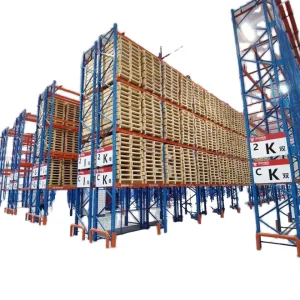
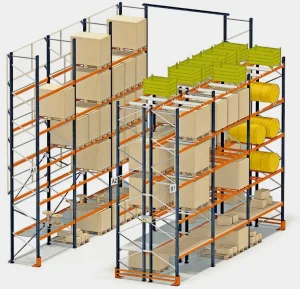
Double Deep Pallet Racking is constructed using pairs of selective pallet racks arranged back-to-back, creating a storage structure that is four pallets deep between access aisles. By reducing the number of access aisles by up to 60% compared to traditional single-selective layouts, the configuration maximizes space utilization. Operators access pallets using specialized deep-reach trucks equipped with pantograph mechanisms or telescopic forks.
| Racking Type | Floor Space Utilization | Selectivity Ratio | SKU Profiling Suitability | Required Forklift Type | Seismic & Wind Resistance Rating |
|---|---|---|---|---|---|
| Double Deep Pallet Racking | High (Up to 60-65% utilization) | 50% (FILO / LIFO per pair) | Medium-volume, multi-pallet per SKU | Pantograph Reach Truck / Telescopic Fork | High (with double-back tie links) |
| Selective Racking | Low (35-40% utilization) | 100% (FIFO / LIFO) | High-volume, diverse SKUs | Standard Counterbalance / Reach | Medium |
| Drive-In Racking | Very High (Up to 75% utilization) | Low (FILO / LIFO) | Low diversity, high volume per SKU | Standard Counterbalance | High (requires cross-bracing) |
| Radio Shuttle System | Maximum (80%+ utilization) | Flexible (FIFO / LIFO) | High volume, high throughput batches | Standard Forklift + Automated Shuttle | Excellent (Self-contained rigid grid) |
We source certified high-grade structural steel (primarily Q235B and Q355B). The load-bearing columns undergo precision roll-forming to ensure long-term structural integrity. Crucial design considerations for Double Deep configurations include:
Double Deep systems operate on a Last-In, First-Out (LIFO) model per location. When two pallets of different SKUs are stored in a double-deep slot, the front pallet must be moved to retrieve the rear pallet. To maintain high throughput, operators typically structure inventory by storing identical SKUs in the same double-deep slot, grouping matching product batches together.
This configuration is well-suited for cold storage, pharmaceutical logistics, and bulk consumer goods distribution in fast-growing manufacturing hubs like Ho Chi Minh City.
Nanjing Ciho Racks Co., Ltd. is a specialized manufacturer and supplier of warehouse storage systems and industrial racking solutions. With years of experience in the material handling industry, we design, manufacture, and export high-performance racking systems tailored to global operational demands.
Our product portfolio features selective pallet racks, drive-in racks, cantilever racks, mezzanine systems, longspan shelving, steel platforms, carton flow racks, and customized storage solutions. Our systems are engineered to optimize floor space and increase operational efficiency in logistics centers, manufacturing facilities, e-commerce fulfillment hubs, and cold chain plants worldwide.
We source premium, certified steel coils from top-tier domestic mills, verifying structural chemistry and tensile limits for every batch.
Our automated robotic welding setups provide clean, uniform welds, minimizing thermal stress points in the beams and frame connectors.
An multi-stage pre-treatment wash and automated electrostatic powder coating line ensure a durable, impact-resistant finish.
A step-by-step look at our industrial manufacturing and quality assurance workflow:
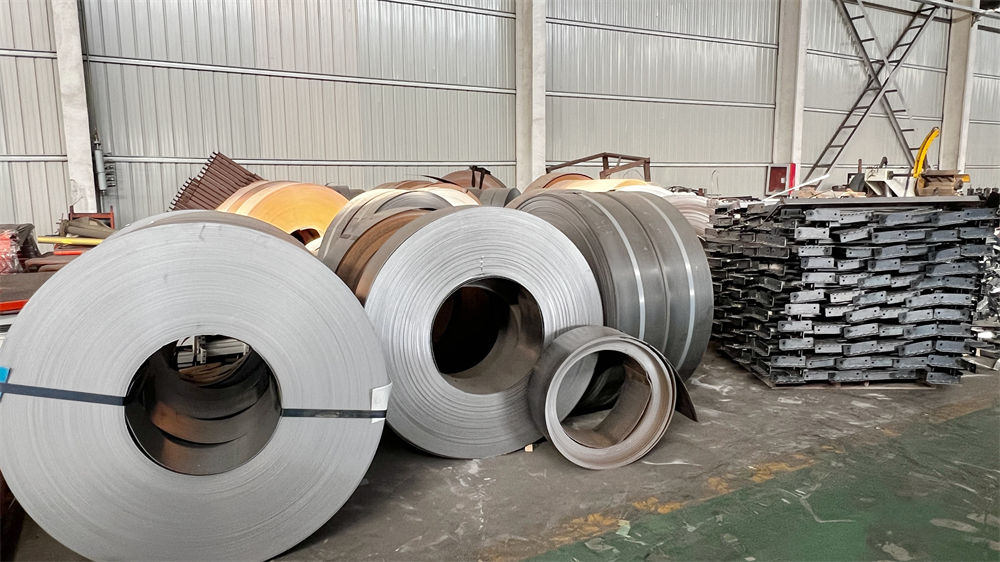
1. Raw Materials
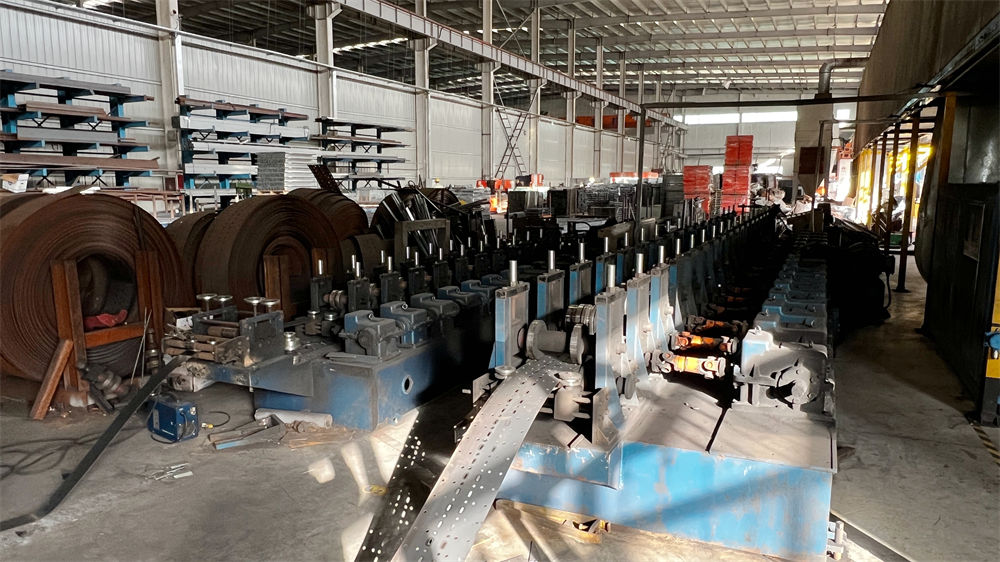
2. Stretch Forming
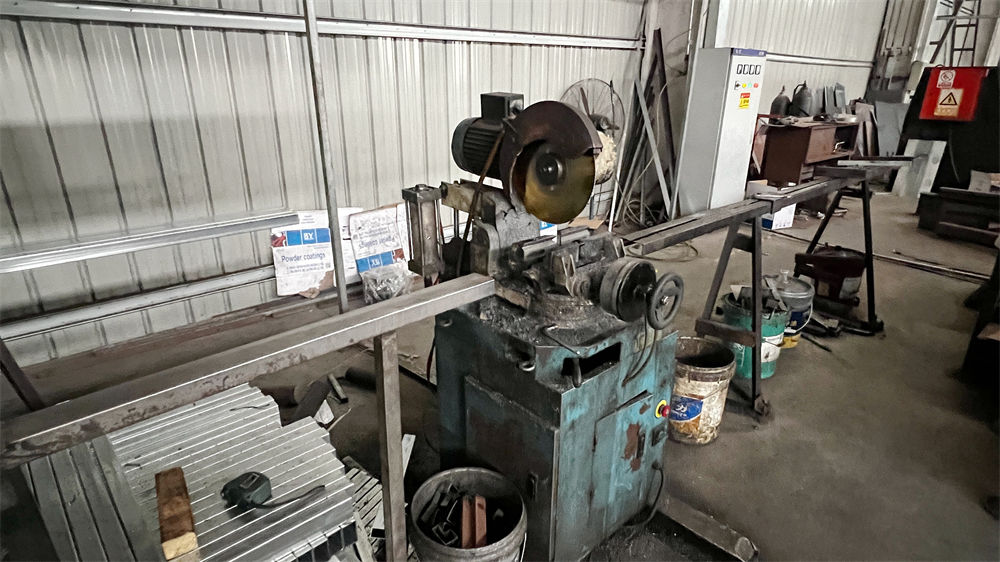
3. Cutting
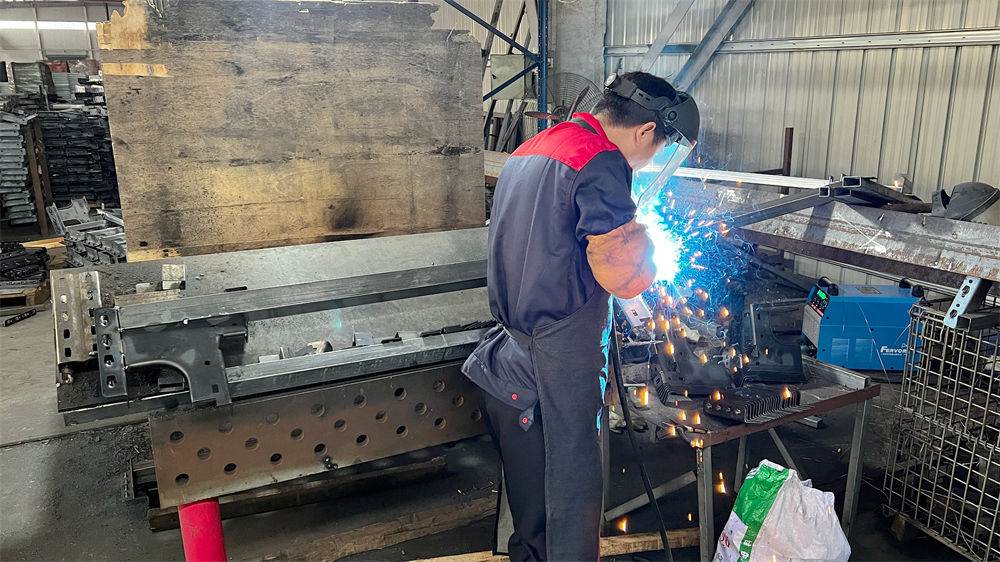
4. Welding
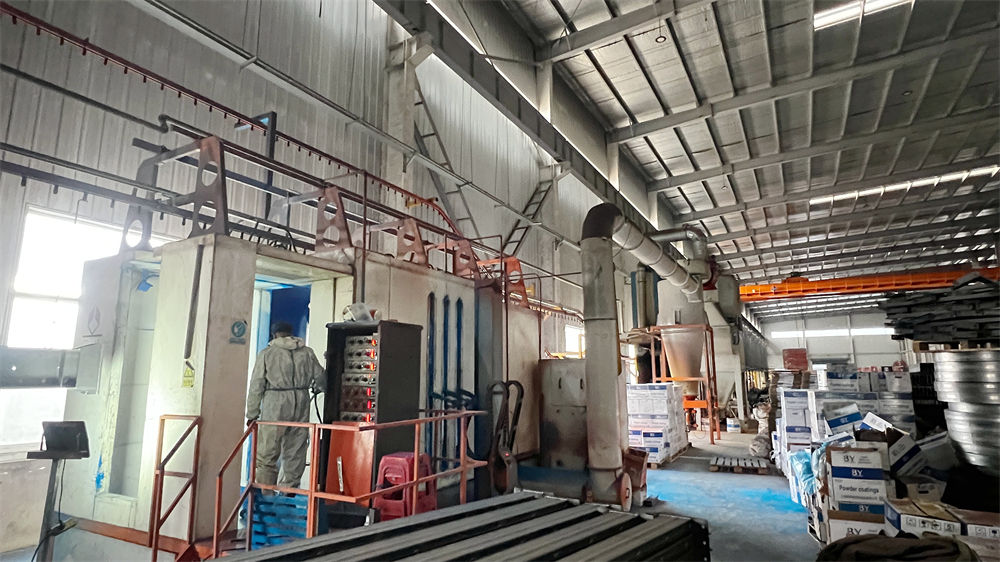
5. Painting
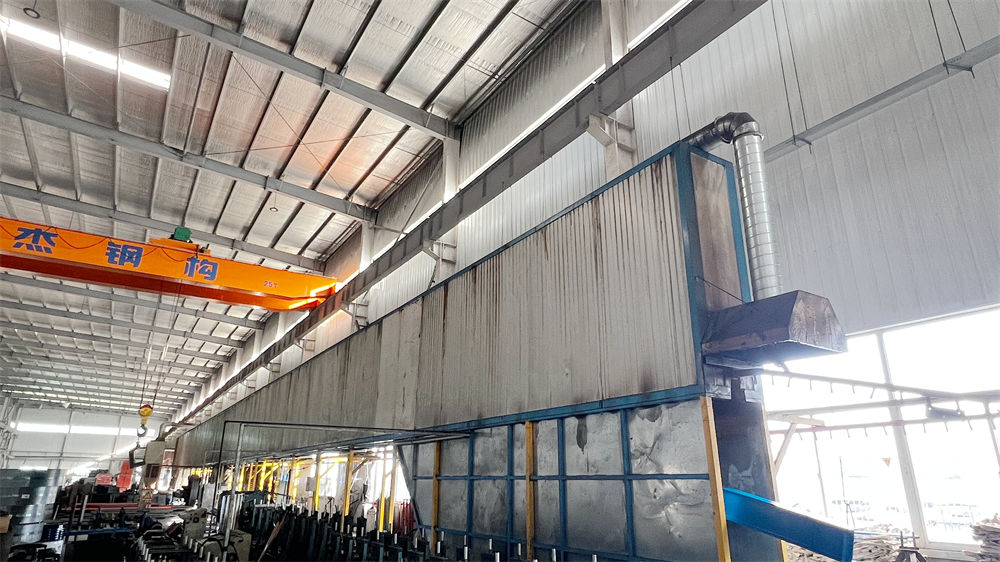
6. Drying
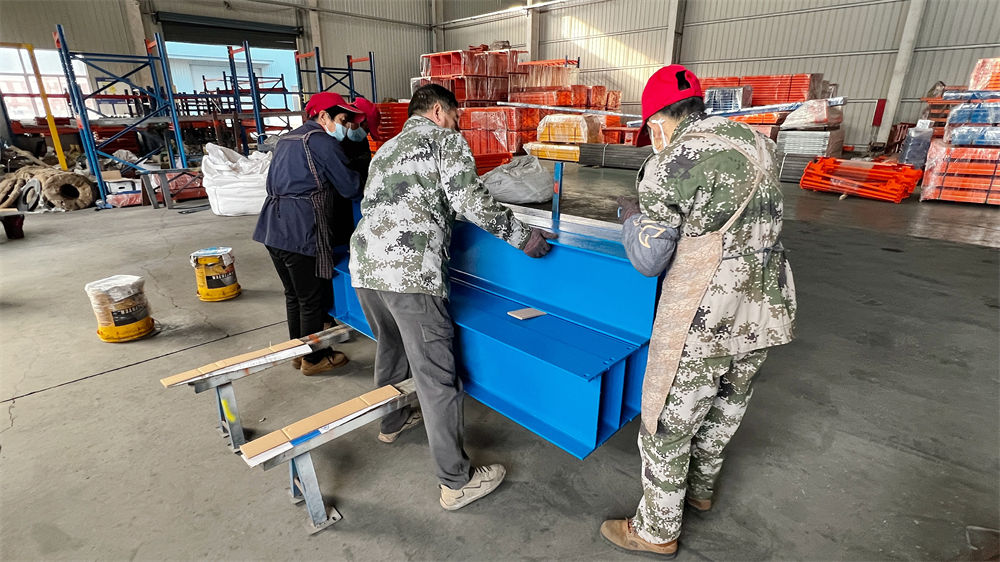
7. Quality Inspection
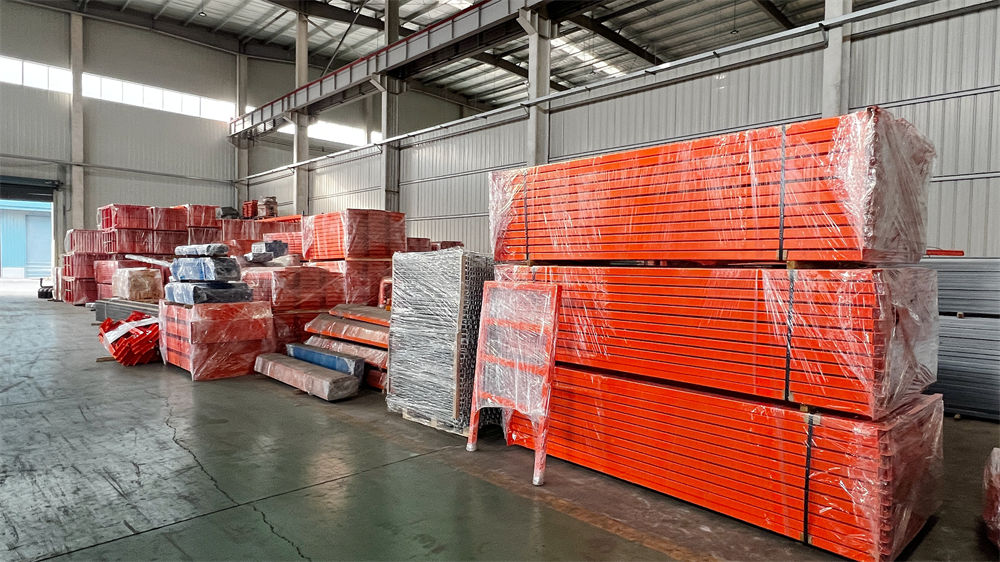
8. Storage
A look at the specialized machinery used in our production facility:
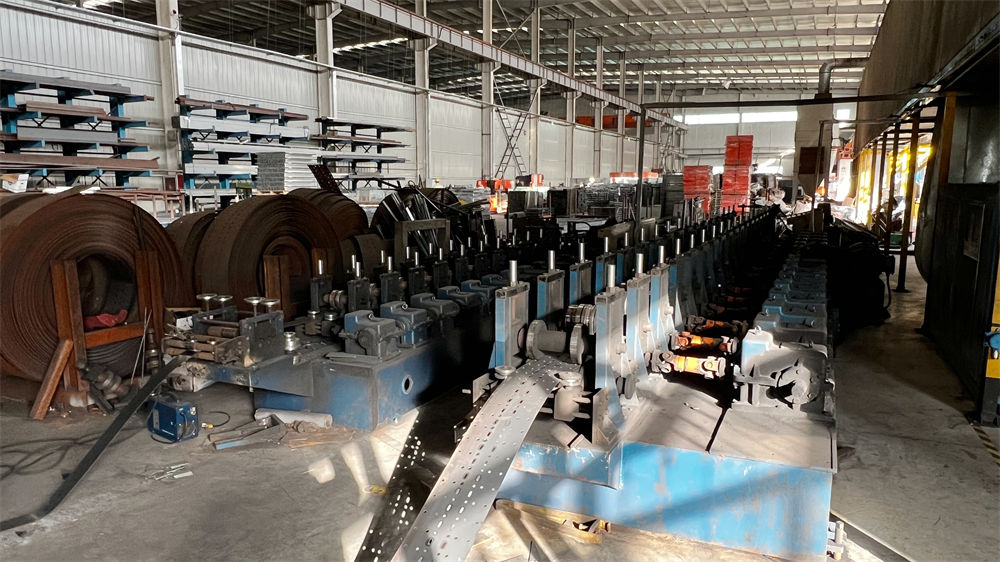
Stretch Forming Machine
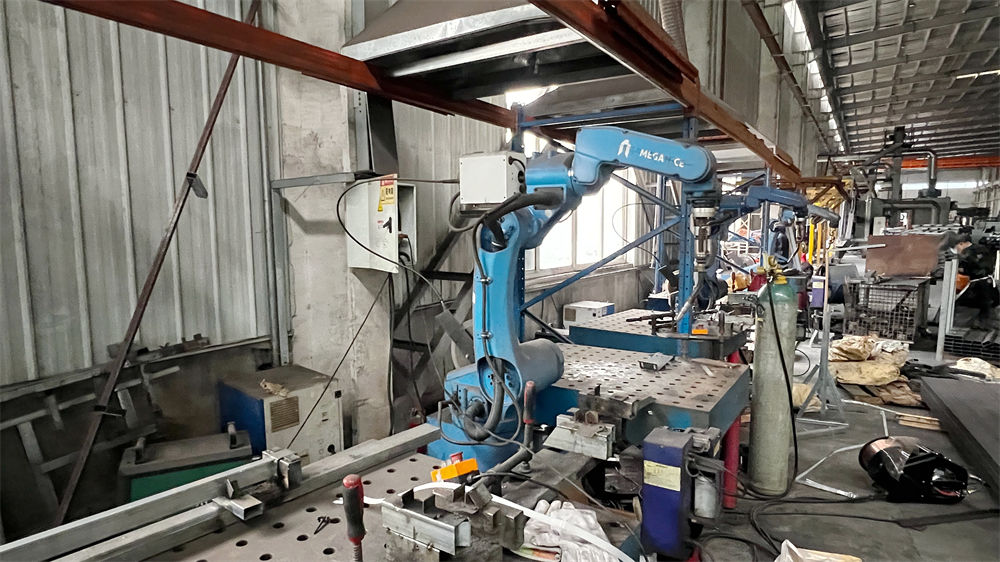
Robot Welding Machine
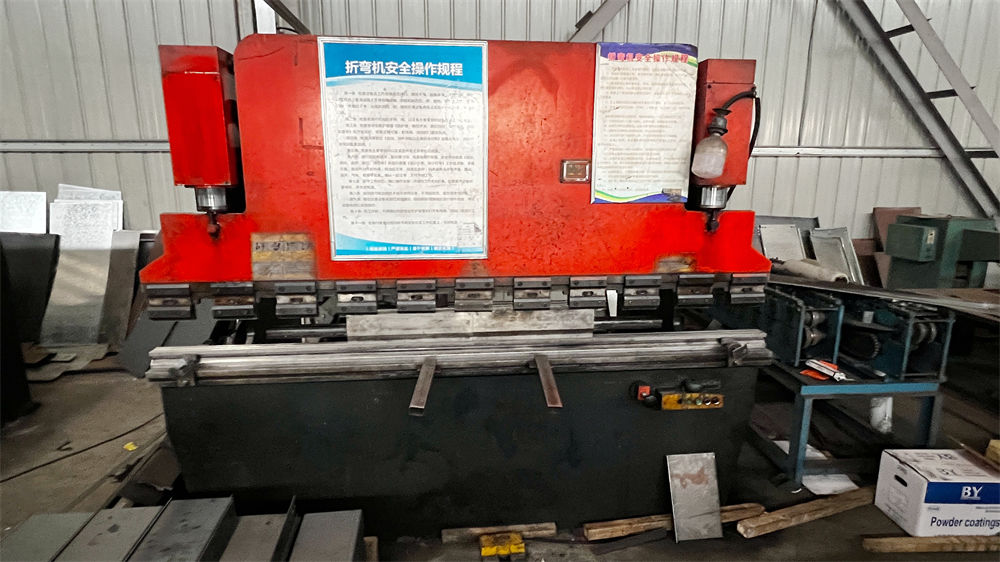
CNC Bending Machine
Southern Vietnam, particularly regions around the Mekong Delta and near coastal shipping channels, presents soil conditions that require precise engineering calculations. When deploying structures that exceed 6 meters in height, design considerations must account for concrete slab load capacities, soft-soil foundations, and localized wind loads.
Our engineering design teams calculate load-carrying capacities in compliance with international and local standards, including:
Using Finite Element Analysis (FEA), we model simulated load stresses across critical node connections. This simulation verifies safety margins under unbalanced loads—such as when a front pallet is retrieved while the corresponding rear slot remains loaded at maximum capacity. We provide detailed load charts, deflection limits, and safety calculations to support local building certifications.
Get in touch with our engineering team for a customized layout plan, CAD drawings, and factory-direct pricing for your warehouse project.
Send Inquiry NowThe growth of Industry 4.0 across Vietnam's manufacturing sectors is driving the transition of static warehouses into semi-automated hubs. Double Deep Pallet Racking serves as a solid foundation for this transition, offering compatibility with modern warehousing technologies:
A Warehouse Management System (WMS) is essential for managing the LIFO logistics flow of a Double Deep system. WMS software tracks each slot's depth-profile, managing expiration dates, batch numbers, and retrieval sequences to prevent stock rotation issues.
Retrieving pallets at heights above 6 meters requires precise positioning. Integrating fork-mounted cameras and laser alignment guides helps forklift operators accurately align the reach mechanism, reducing structural wear and maximizing retrieval speeds.
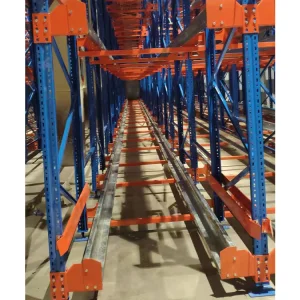
Double Deep designs can be adapted to accommodate semi-automated radio shuttle carriages. This upgrade allows standard forklifts to deposit loads onto a shuttle system that carries them deep into the racking structures, increasing throughput and safety.
Common technical questions regarding the installation and operation of double-deep racking systems in high-density facilities.
A: The exact aisle width depends on the truck manufacturer's specifications. Generally, a pantograph or deep-reach forklift requires an aisle width ranging between 3.0 to 3.4 meters. This is slightly wider than standard reach truck requirements, but is offset by the reduction in the total number of aisles.
A: Standard counterbalance forklifts cannot retrieve pallets from the deeper (second) position. Operation requires a specialized reach truck equipped with a pantograph extension or telescopic forks, which allow the forks to reach into the second depth level.
A: Double Deep configurations inherently operate under a LIFO (Last-In, First-Out) model at each individual storage location. To maintain efficient rotation, operators typically store identical SKUs in both the front and back slots of a given bay, ensuring that inventory moves out in matched batches.
A: Our systems are engineered to support loads ranging from 1000kg to over 3000kg per beam level. Capacity is determined by beam size, upright profiles, and specific safety design parameters. Double-deep beams are designed with reinforced safety factors to handle dynamic loads at extended reaches.
A: For high-humidity environments and cold storage applications, we recommend our specialized high-durability polyester powder coating or hot-dip galvanized finishes. These coatings protect against condensation, prevent rust, and maintain structural integrity at sub-zero temperatures.
A: Racking columns are secured to the concrete slab using heavy-duty expansion anchor bolts. The baseplate size and anchor depth are calculated based on seismic coefficients, slab thickness, and maximum load ratings, distributing seismic forces evenly.
A comprehensive range of industrial warehouse systems, customizable to meet international structural and performance standards.