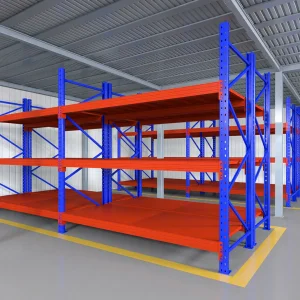
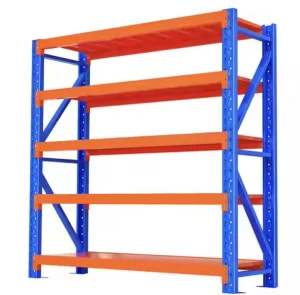
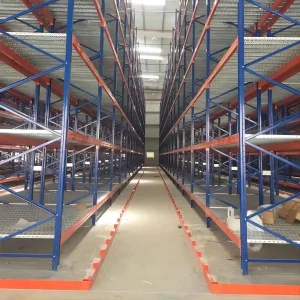
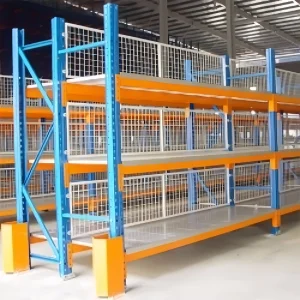
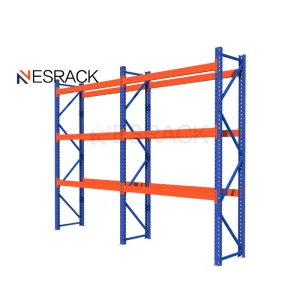
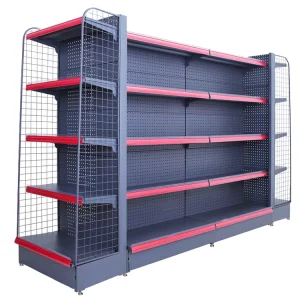
High-performance warehouse inventory, shelving, and heavy-duty structural racking solutions.
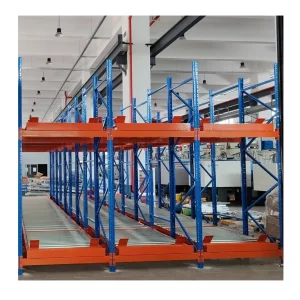
In modern warehouse management, floor area optimization has shifted from a cost-reduction strategy to a survival prerequisite. Global supply chains face rising real estate costs, labor shortages, and demand for rapid order fulfillment. This has accelerated the integration of Pallet Flow Systems (Gravity Flow Racking) across international logistics networks.
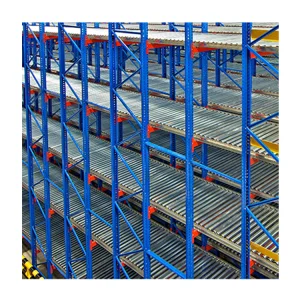
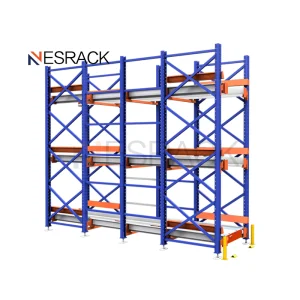
Unlike standard selective racking, gravity-driven pallet flow setups utilize dynamic inclined roller tracks. This layout operates on a strict First-In, First-Out (FIFO) inventory flow. It is highly effective for fast-moving consumer goods (FMCG), temperature-controlled cold chains, pharmaceuticals, and high-volume manufacturing staging areas. By eliminating forklift access aisles within the rack depth, organizations can increase storage capacity by up to 60% compared to traditional racking.
High-density dynamic racking performance benchmarks analyzed by our structural team.
As a global supplier in the material handling industry, Nanjing Ciho Racks Co., Ltd. design, engineers, and exports heavy-duty warehouse storage solutions. Located in Nanjing, China’s industrial hub for steel fabrication, we leverage regional supply chains to manufacture quality systems for international buyers.
Our product scope extends beyond selective pallet racks to include drive-in racks, cantilever systems, mezzanine structures, structural steel platforms, carton flow lanes, and complex ASRS designs. Engineered for space utilization and stability, our storage structures support distribution hubs, e-commerce fulfillment centers, cold-storage zones, and manufacturing facilities globally.
At Ciho Racks, our manufacturing process complies with international standards. We monitor every stage of production—from the selection of high-grade raw Q235B and Q345B steel to automated roll-forming, robotic welding, and powder coating. This rigorous quality control ensures structural safety and reliable load capacity in busy warehouse environments.
We control product quality by managing the production cycle in-house. Below are the steps in our manufacturing process:
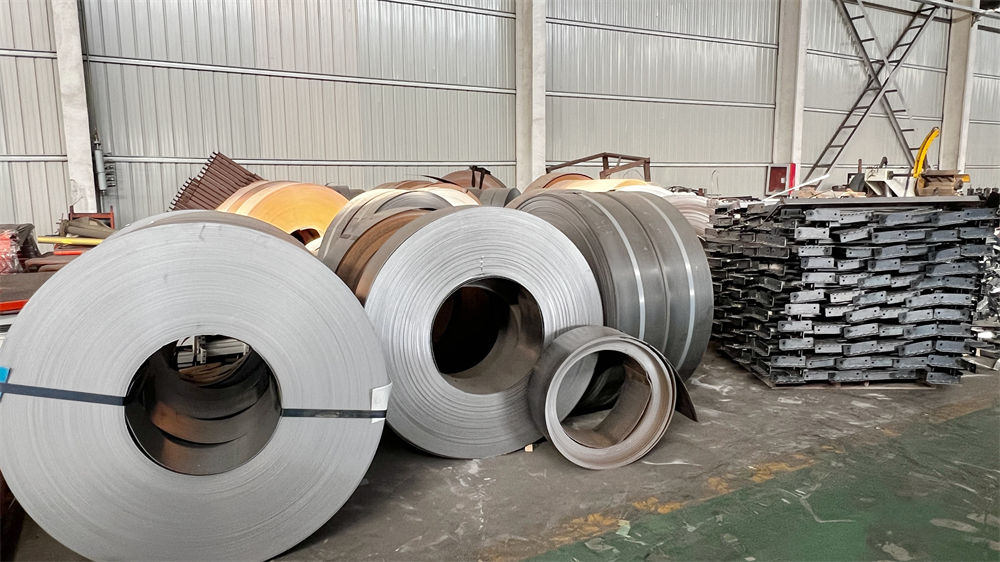
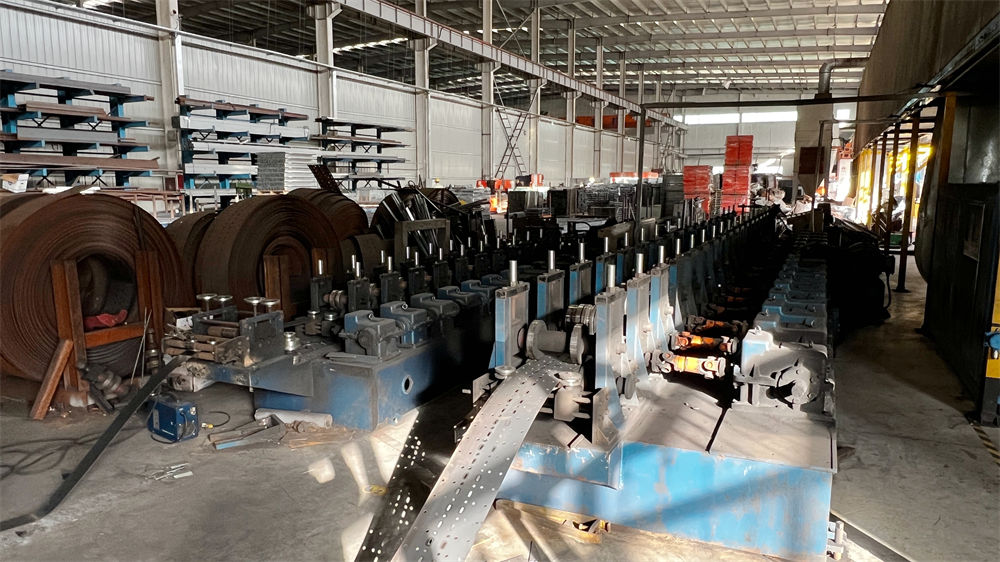
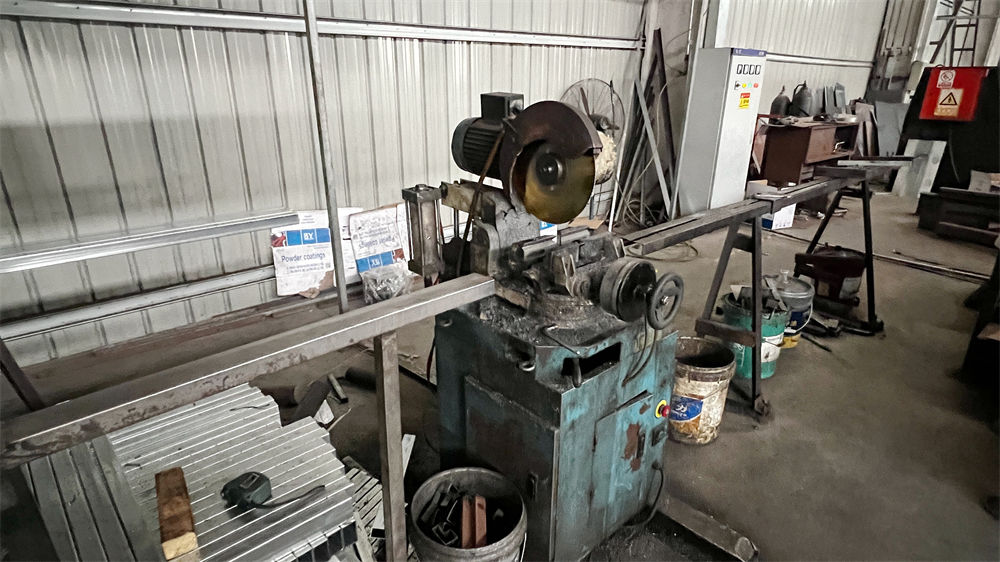
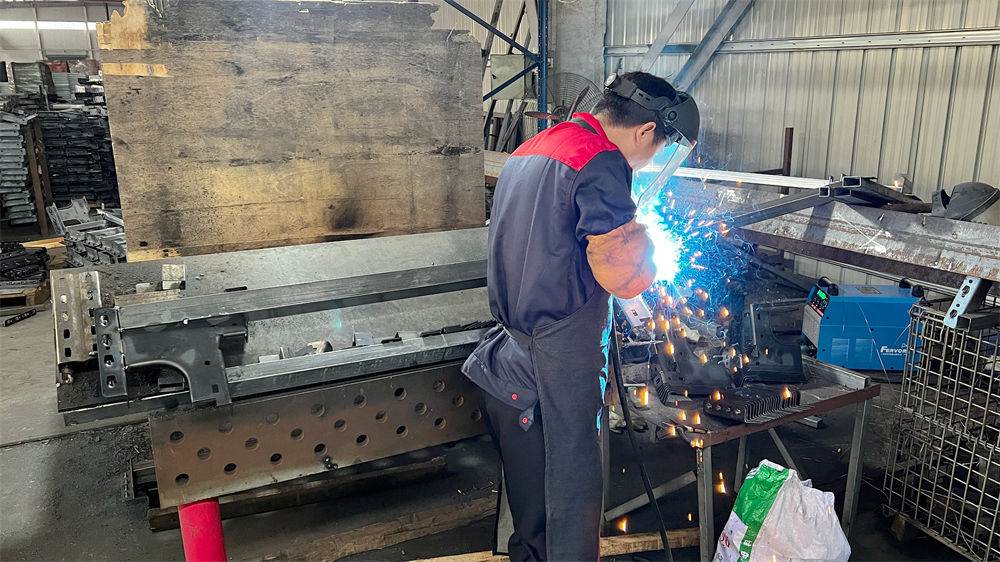
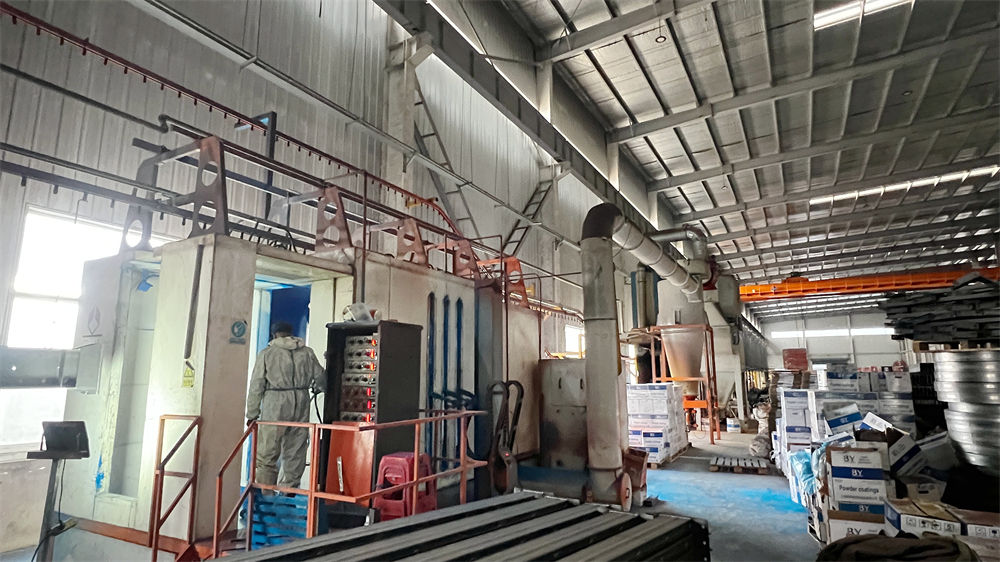
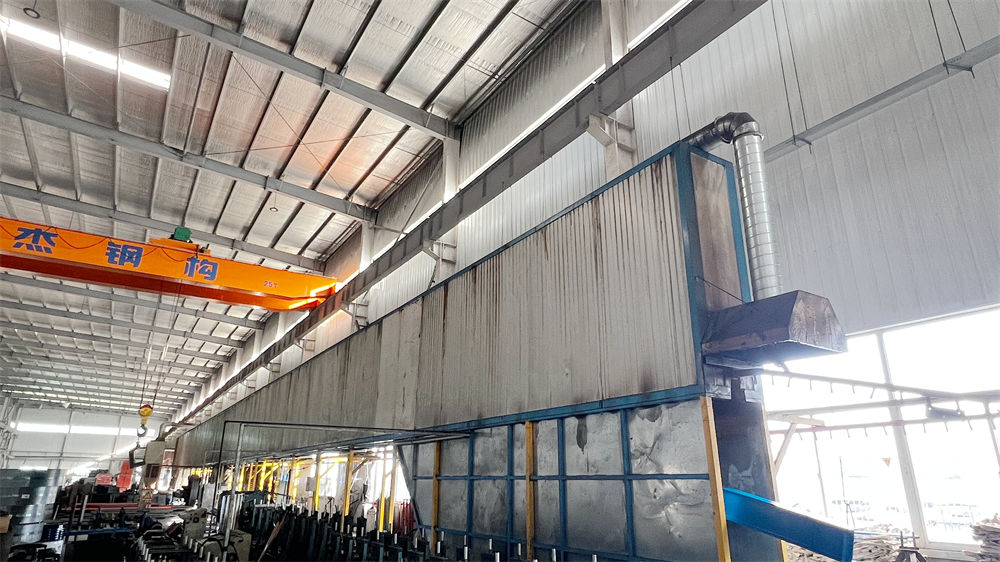
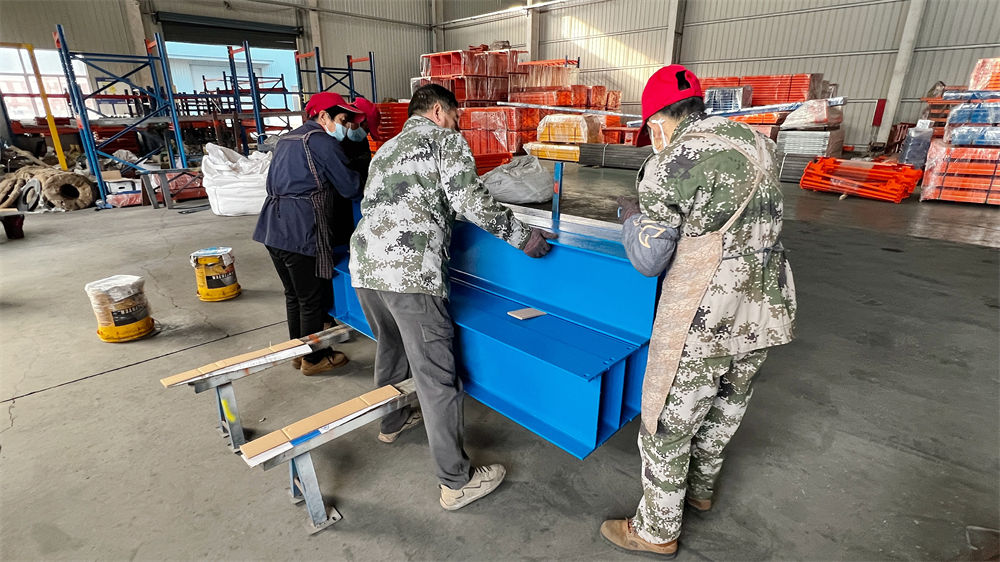
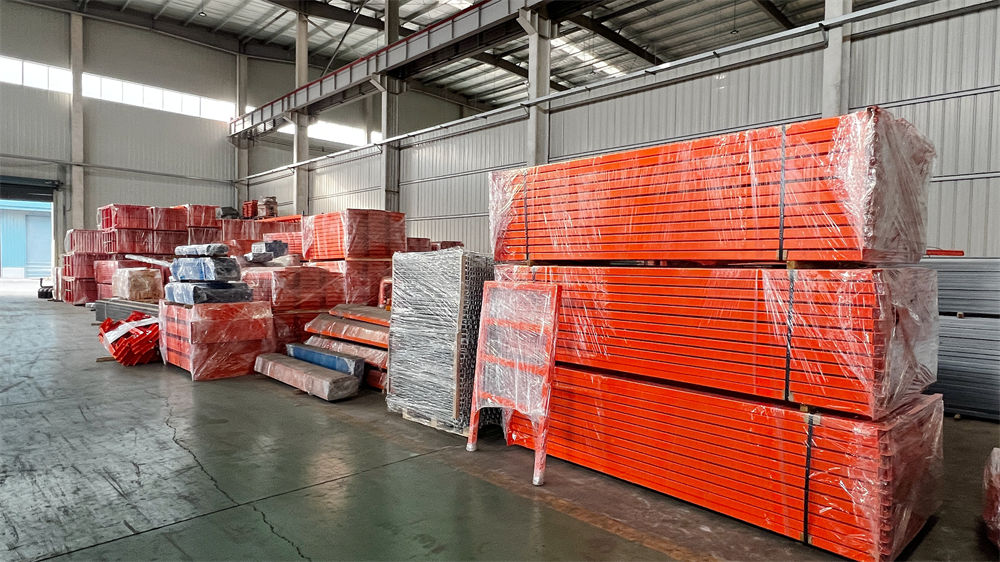
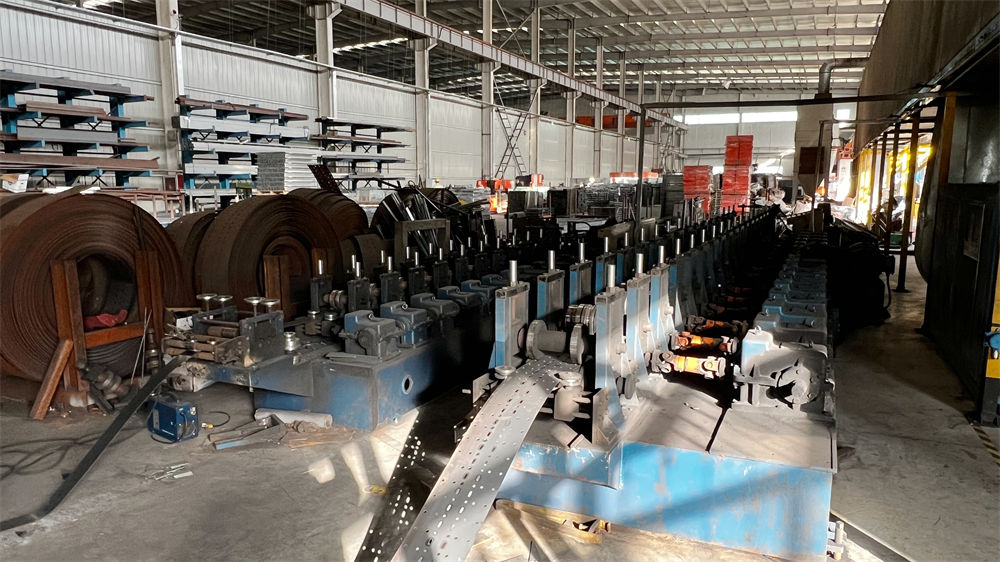
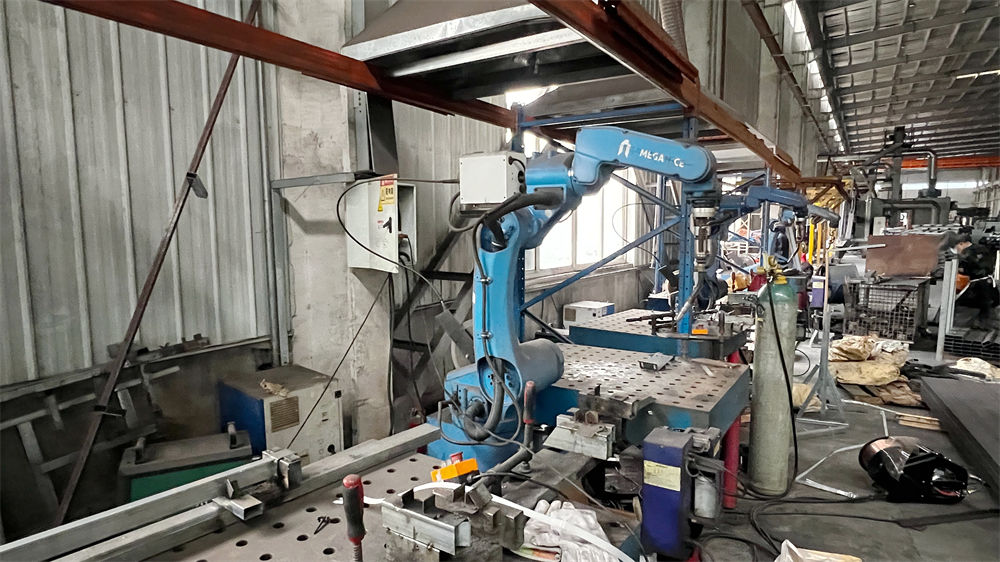
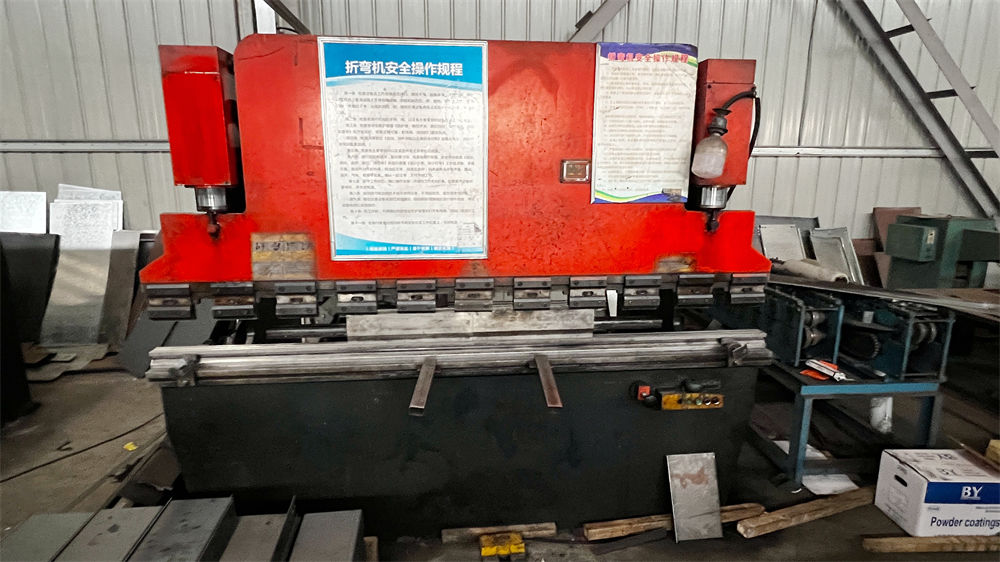
Every warehousing space has distinct operational needs. Pallet Flow Systems can be adapted to specific environments to improve density and throughput. Below are three common localized applications:
Operating at -25°C requires efficient cubic space utilization to control refrigeration costs. Gravity flow systems maximize density by removing traffic aisles. Custom dynamic speed controllers and low-temperature lubricants prevent roll stagnation in deep-freeze settings.
For high-volume retail goods with expiration dates, FIFO rotation is essential. Gravity flow systems transport pallets from loading to picking aisles, ensuring inventory cycles correctly.
Manufacturing plants require timely parts availability. Heavy-duty pallet flow lanes feed production lines, organizing components to minimize forklift movements.
The storage racking sector is evolving from static structures toward integrated, dynamic automation systems. Modern gravity flow layouts are designed to align with automated warehouses.
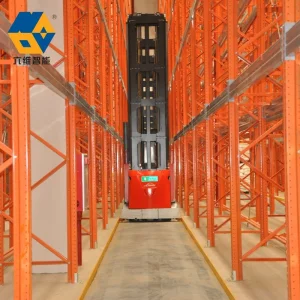
1. ASRS and AGV Integration: Pallet flow systems are engineered to work with Automated Guided Vehicles (AGVs) and Stacker Cranes. Automated systems handle loading at the feed lane, while robotic forks manage extraction at the pick face.
2. Smart Braking Systems: Intelligent speed controllers detect the weight of incoming pallets. They automatically adjust resistance to regulate travel speed down the lane, preventing collisions of fragile or heavy loads.
3. Data-Driven Inventory Management: RFID tags and sensors along flow tracks monitor pallet positions in real-time. This provides warehouse management software (WMS) with accurate inventory visibility.
When sourcing industrial racking from overseas manufacturers, project managers must verify key technical parameters to ensure safety and system longevity.
Detailed engineering answers to common technical queries about gravity flow system design.
Explore our range of gravity flow rollers, narrow aisle structures, and heavy-duty steel shelving.
 Ciho Racks