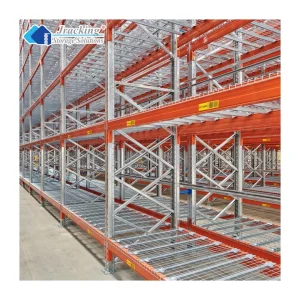
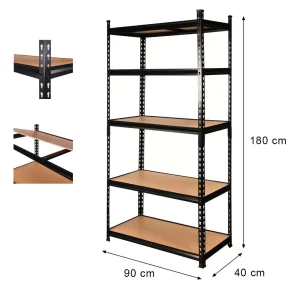
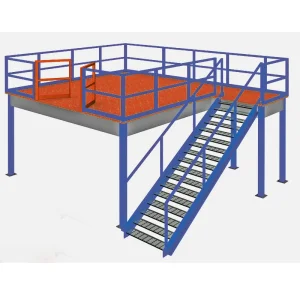
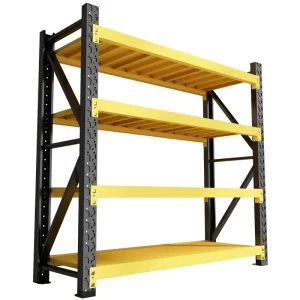
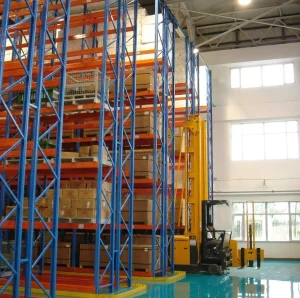
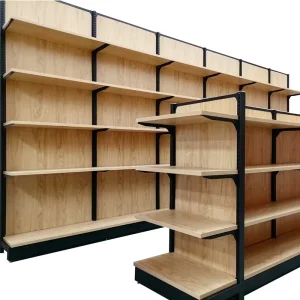
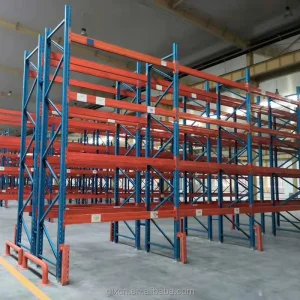
Explore our premium product portfolio, precision-engineered to meet stringent global specifications including European Standards (EN), Rack Manufacturers Institute (RMI), and Australian standards.
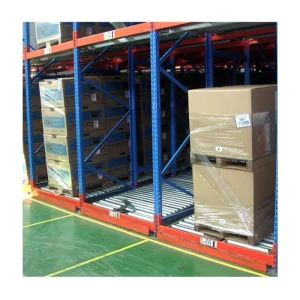
Carton flow shelving systems represent the vanguard of dynamic storage engineering in high-density material handling. Operated on the First-In, First-Out (FIFO) methodology, these dynamic gravity flow structures transform storage lanes into sliding conduits where products move seamlessly from the loading face (feeding zone) to the discharge face (picking zone). Through targeted mechanical inclination, these systems leverage gravitational forces to minimize transit times, enhance ergonomics, and cut energy dependence within active intralogistics ecosystems.
By implementing custom-engineered incline profiles—typically between 2.5% and 4%—carton flow configurations establish steady linear acceleration. This matches pick-face replenishments exactly with supply demands, eliminating dead zones and minimizing transit pathways for fulfillment agents.
Understanding structural kinematics is essential when evaluating Tier-1 manufacturing sources. High-grade roll-formed profiles (like Q235B and Q355B structural steel), precision plastic rollers, and customized separator lane profiles define a system's durability. Below, we examine the structural elements and engineering configurations that define long-term capital ROI for dynamic warehousing networks.
Nanjing Ciho Racks Co., Ltd. is a leading professional manufacturer and supplier specializing in warehouse storage systems and heavy-duty industrial racking solutions. With years of deep material handling expertise, we deliver efficient, robust, and cost-effective structural systems tailored to the logistics requirements of global enterprise networks.
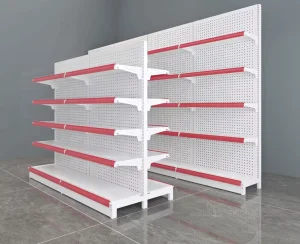
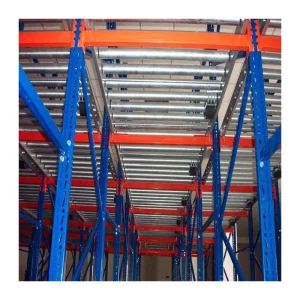
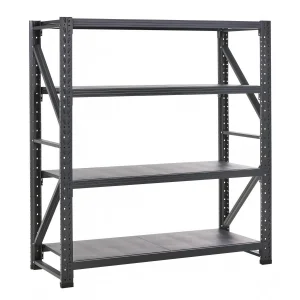
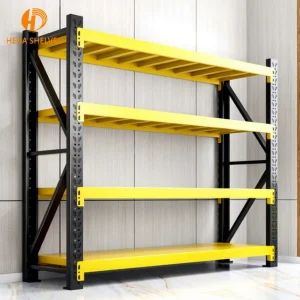
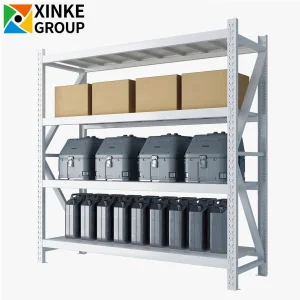
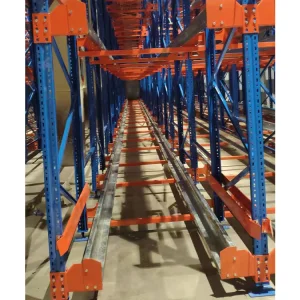
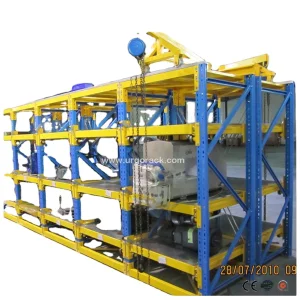
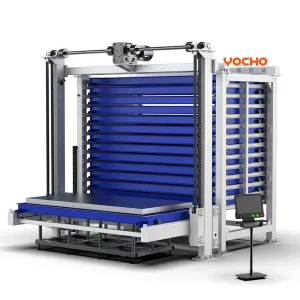
Our comprehensive production program includes selective pallet racks, drive-in racks, cantilever racks, mezzanine systems, longspan shelving, steel platforms, carton flow racks, and highly specialized automated warehouse components. Engineered to maximize cubic space utilization and increase operational throughput, our systems are deployed in advanced logistics hubs, large-scale manufacturing sites, global e-commerce distribution facilities, and specialized retail repositories.
At Ciho Racks, quality assurance is integrated into every phase of production. From initial CAD/FEM modeling and raw material profiling to robotic welding and automated powder coating line inspections, our processes maintain high dimensional tolerance and load capacity ratings. Collaborating directly with our customers' engineering teams, we design bespoke solutions that balance dynamic performance with structural safety.
The intersection of dynamic gravity storage and digital intralogistics is driving rapid technological change. As warehouses adopt automation, traditional gravity-fed systems are evolving to integrate seamlessly with digital sensor arrays and robotics platforms.
Next-generation lanes integrate low-power sensor microchips within key roller components. These assemblies track transit velocities, alert teams to lane blockages, and continuously monitor inventory depletion rates.
Optimized discharge zones feature precise mechanical tolerances and docking alignment fixtures. This enables Autonomous Mobile Robots (AMRs) to retrieve dynamic cartons directly, eliminating manual intervention.
Designed with integrated mounting profiles for dynamic light arrays, supporting digital picking systems to reduce human error in sorting and replenishment workflows.
Choosing a carton flow system requires aligning its performance characteristics with the specific operational demands of your target sector. Different supply chain environments present unique material challenges:
| Industry Vertical | Critical Dynamic Challenge | Carton Flow Design Strategy | Achieved Operational ROI |
|---|---|---|---|
| E-commerce Fulfillment | High SKU counts, unpredictable volume spikes. | Modular flow tracks with drop-in lane dividers. | 30% faster order prep rates. |
| Cold Chain Logistics | Sub-zero temperature embrittlement. | Tempered stainless steel axles, polymer roller lubricants. | Reduced storage footprint in energy-intensive freezer zones. |
| Pharmaceuticals | Strict batch tracking, product expiration constraints. | Strict FIFO physical lanes with automated stop gates. | Elimination of inventory expiration loss. |
| Automotive Assembly | High weight loads, heavy components. | Heavy-duty dual-roller track configurations with steel brackets. | Improved part presentation for assembly staff. |
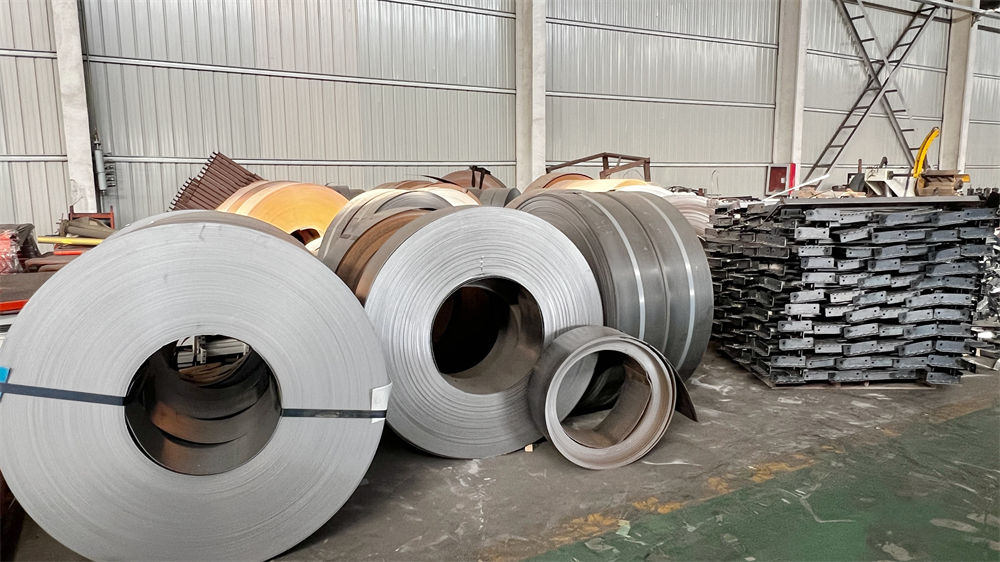
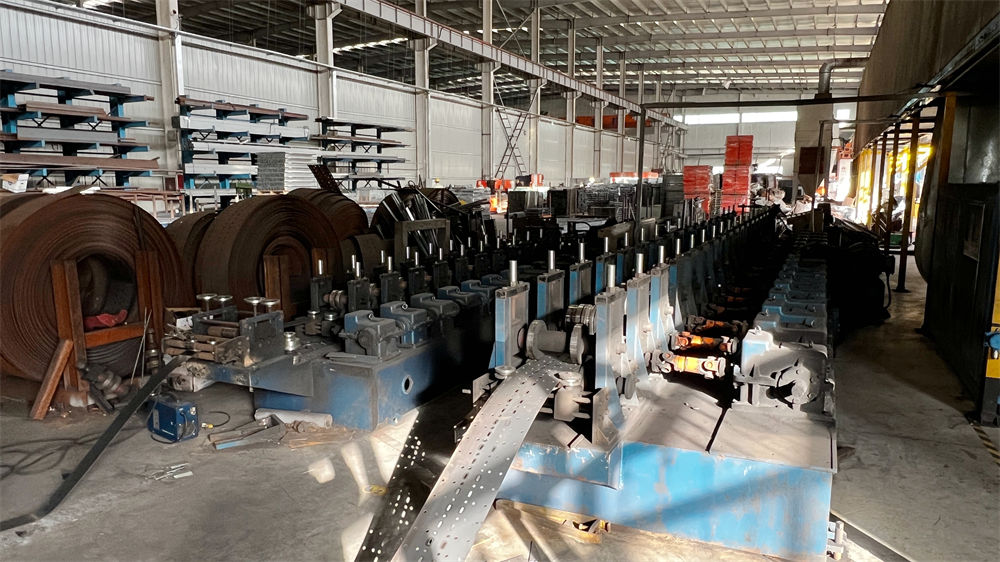
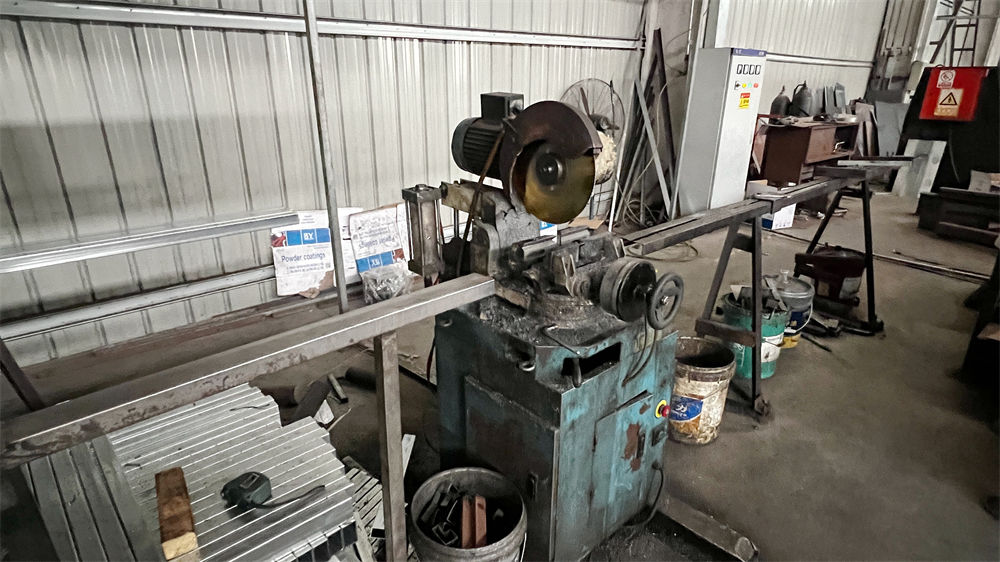
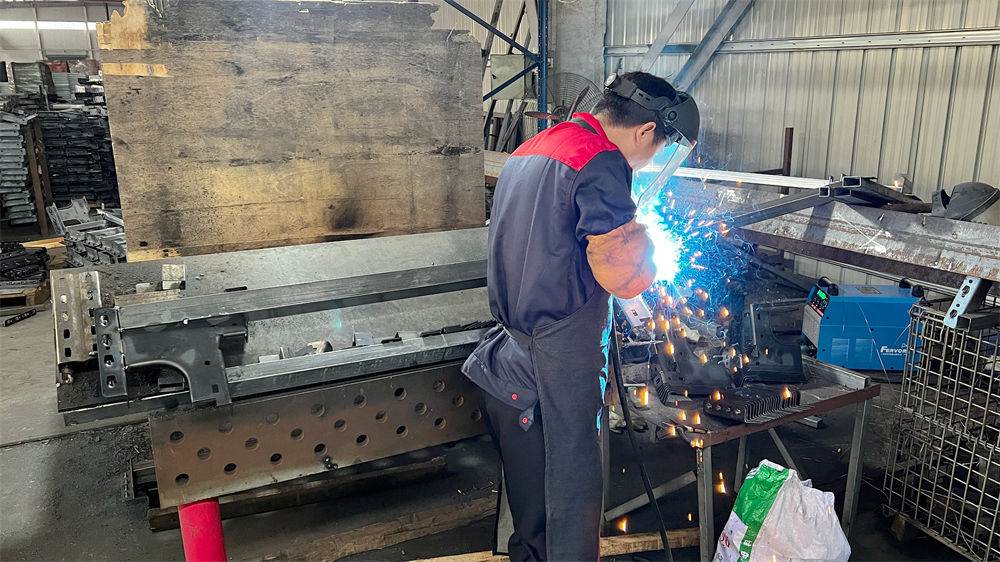
Our advanced manufacturing complex in Nanjing uses automated and robotic production methods to deliver high dimensional precision and structural strength across all racking components. Through end-to-end supply chain control, from raw steel coils to the final finished product, we maintain quality standards while offering competitive pricing.
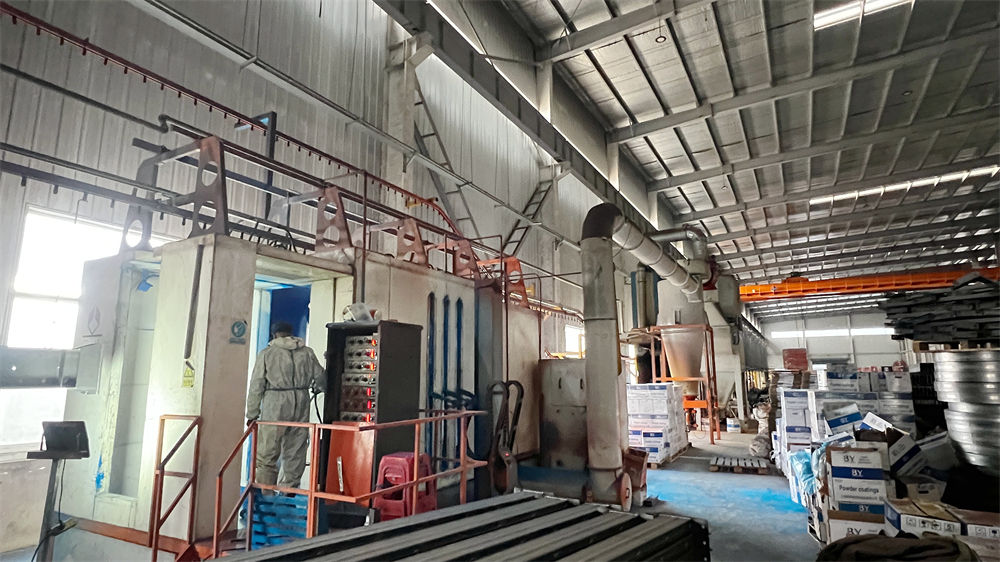
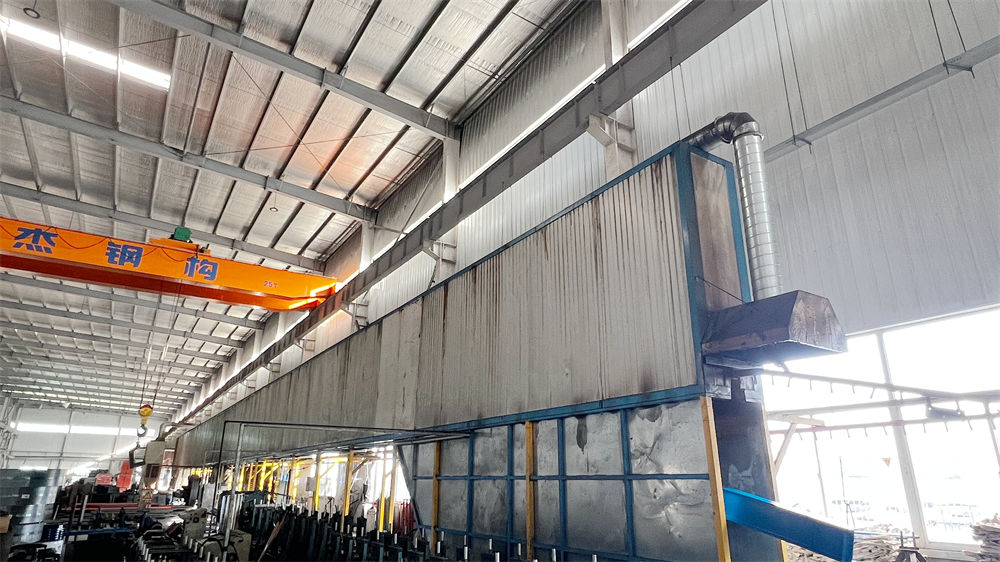
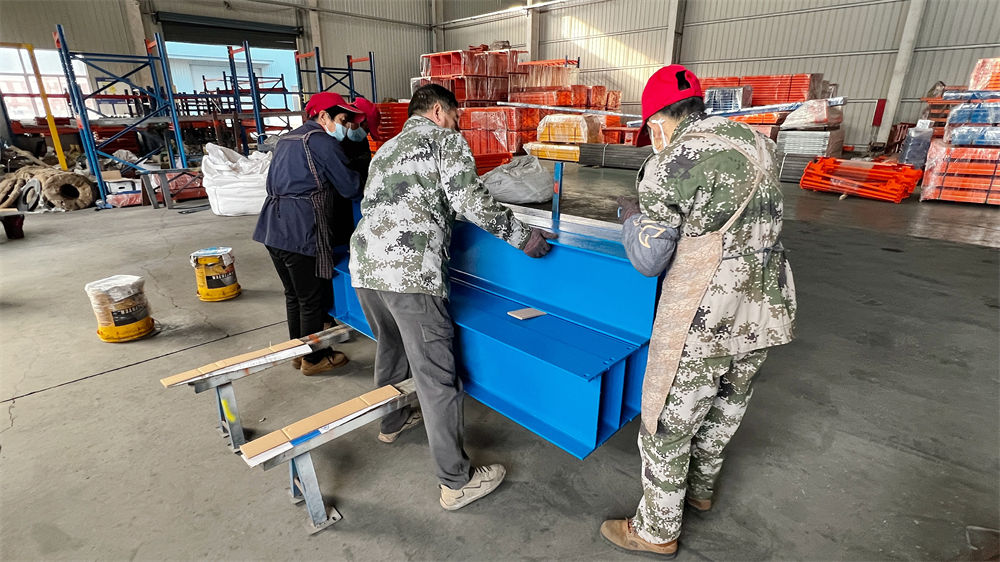
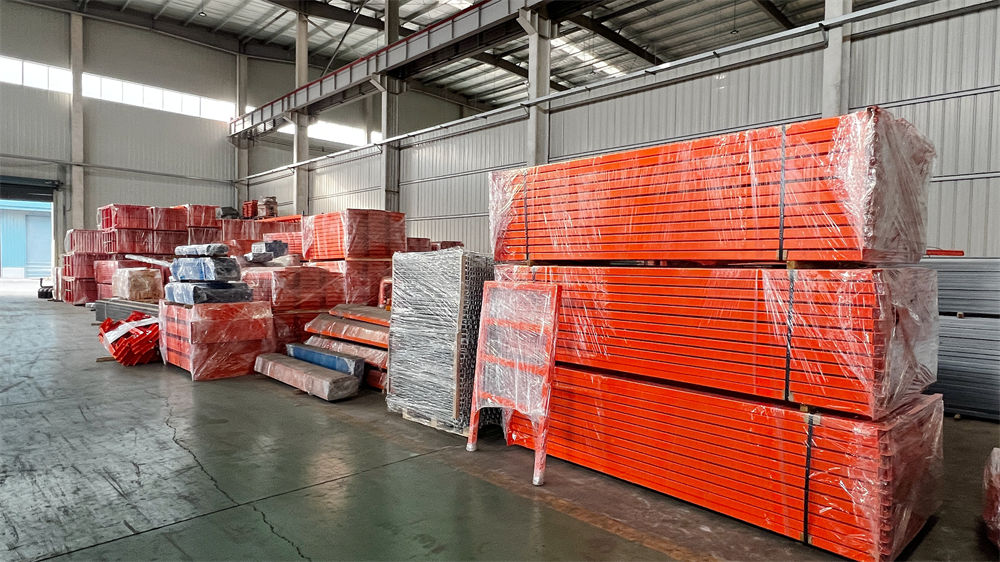
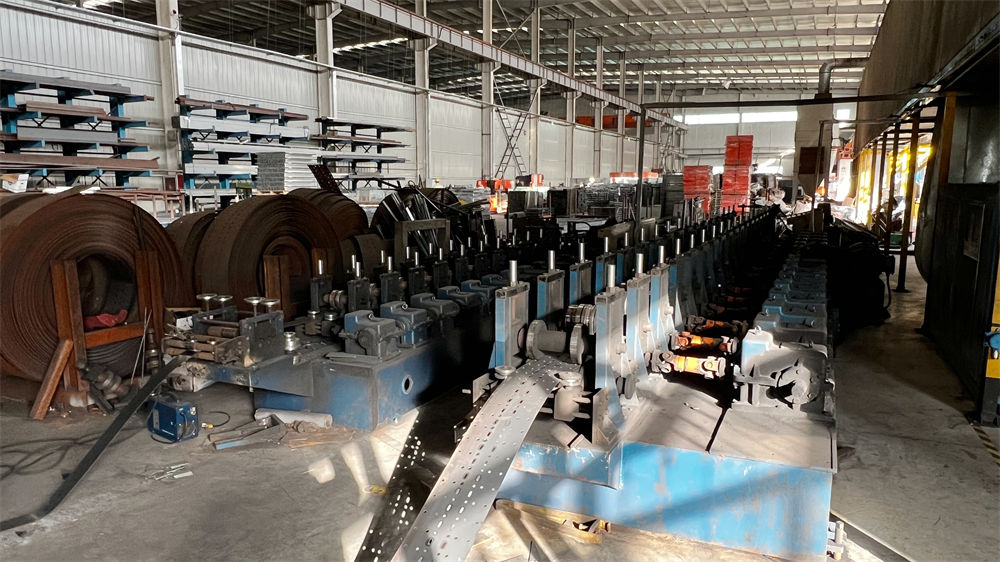
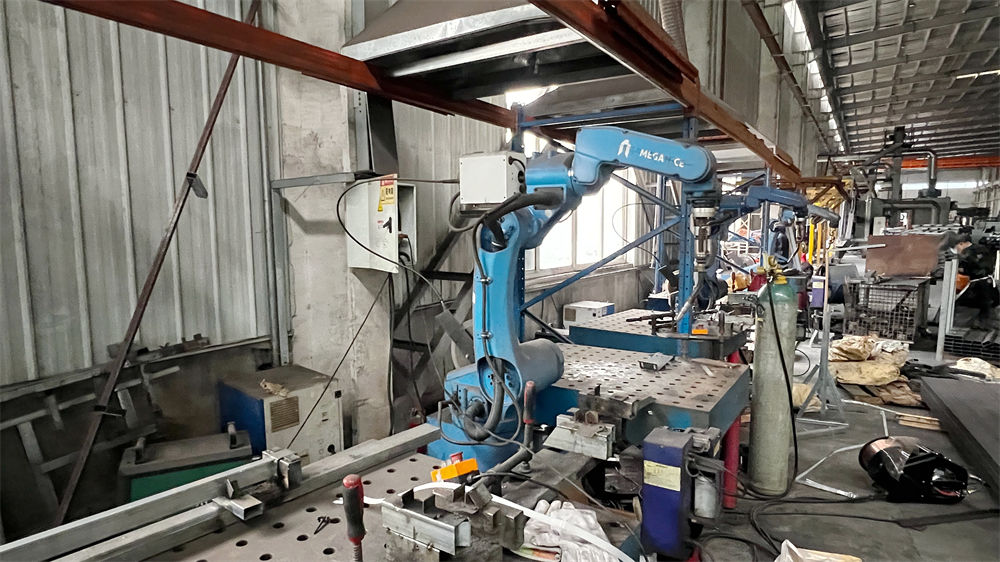
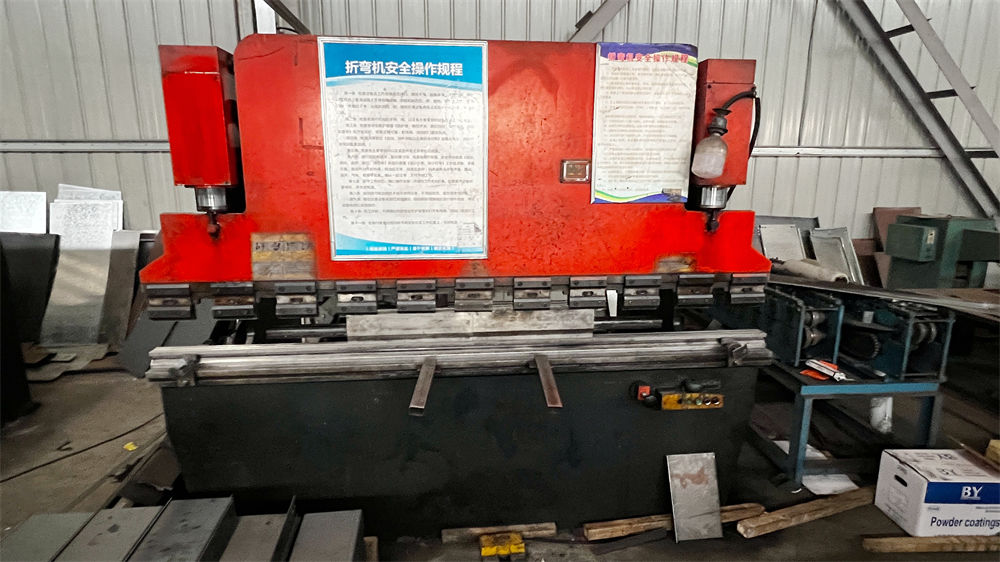
Procuring industrial racking requires strict compliance with international structural standards. When evaluating carton flow shelving partners, it is important to review their structural compliance and certification credentials.
Make sure your supplier can provide verified testing records and structural calculations that meet these key regulatory frameworks:
| Standard Reference | Global Geographic Authority | Core Engineering Focus | Critical Compliance Check |
|---|---|---|---|
| RMI (ANSI MH16.1) | North America (USA, Canada) | Structural capacity criteria for industrial steel storage systems. | Verify seismic design factor and load capacity calculations. |
| EN 15512 / FEM 10.2.02 | European Union (EU) | Static design requirements, structural limits, and load testing. | Request certified independent steel grade tension analysis reports. |
| AS 4084-2012 | Australia & New Zealand | Operational safety limits and vertical clearance tolerances. | Review safety factor margins and baseplate dimensions. |
A reliable system requires coordination from engineering to final field assembly. Partnering with a supplier that offers robust installation guides, accurate structural loading calculations (including localized wind/seismic factors), and responsive warranty services is key to minimizing operational downtime.
Our complete range of warehouse systems is designed to maximize floor space and streamline operations. Browse our catalog of heavy-duty, light-duty, and automated solutions.
 Ciho Racks