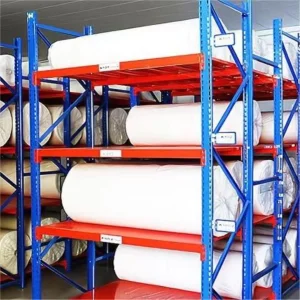
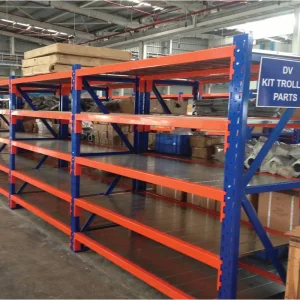
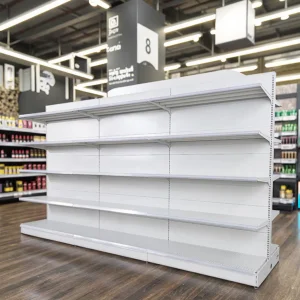
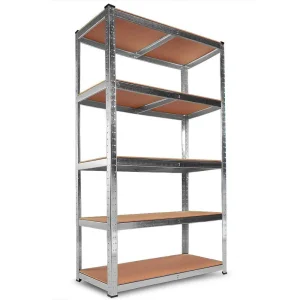
High-durability structural racking designs customized for logistics, wholesale retail, and industrial warehouse configurations.
The ultimate guide to sizing, load limits, and steel configurations for industrial warehouses handling non-standard loads.
In modern industrial logistics, storing long, irregular, and heavy loads represents a unique architectural challenge. Standard pallet racking systems, bounded by vertical uprights at the front of each bay, impose severe horizontal limits. This is where Cantilever Racking Systems become essential. By utilizing central vertical columns paired with horizontal arms projecting outward, cantilever racking eliminates front-column obstructions, offering an uninterrupted longitudinal shelf space designed to accommodate heavy-duty pipes, steel tubing, timber, sheet plates, and machinery structures.
When engineering high-performance cantilever racks, top-tier manufacturers evaluate several critical variables to avoid system failures:
The central uprights must bear the complete moment load created by the cantilever arms. Structural engineers design the columns utilizing heavy-duty H-beams or advanced cold-rolled profiles, depending on the required yield strength. Sizing the columns involves factoring in vertical loads, structural wind loads (for outdoor configurations), and potential dynamic forklift impacts.
Cantilever arms can be manufactured with straight profiles, inclined designs (to prevent rolling commodities from falling off), or customized with end-stops. High-quality systems allow vertical height adjustment at increments of 50mm or 75mm, using robust bolt and keyhole lock systems to adapt to changing inventory metrics without weakening structural load-bearing pathways.
Under heavy load, cantilever columns and arms naturally experience minor bending or deflection. Safe systems are designed to limit deflection ratios below L/200 or L/300. Quality manufacturing guarantees that welding points and bolt connections resist cyclic structural fatigue over decades of constant industrial material handling.
A premier global manufacturing center specializing in highly customized industrial storage configurations, structural steel solutions, and logistics automation platforms.
Nanjing Ciho Racks Co., Ltd. is a leading professional manufacturer and exporter specializing in heavy-duty warehouse storage systems and complete industrial racking solutions. With decades of material science and logistics design experience, we deliver tailored, safe, and cost-effective storage solutions globally. Our products are fully optimized for logistics centers, machinery factories, e-commerce fulfillment hubs, and heavy industrial yards.
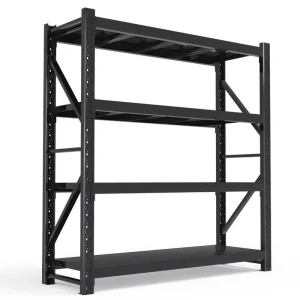
Our expansive product portfolio spans selective pallet racks, drive-in systems, heavy-duty cantilever racks, structural multi-tier mezzanine floors, boltless shelving units, and automated electric mobile systems. Every project undergoes advanced finite element analysis (FEA) to confirm that standard and structural load ratings exceed client criteria before fabrication.
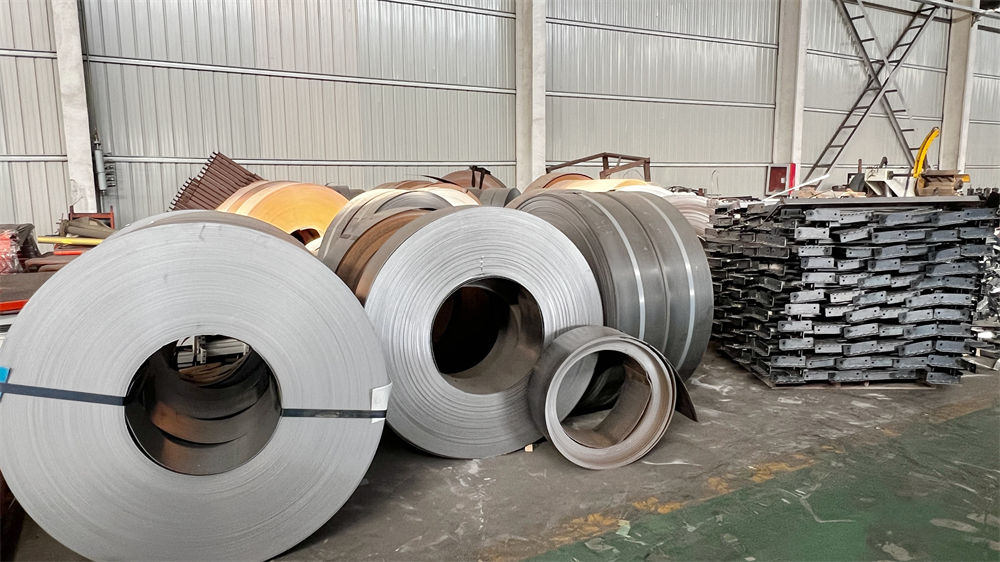
We utilize certified Q235B and Q355B high-grade steel coils from major national steel plants, verifying structural integrity right from the start.
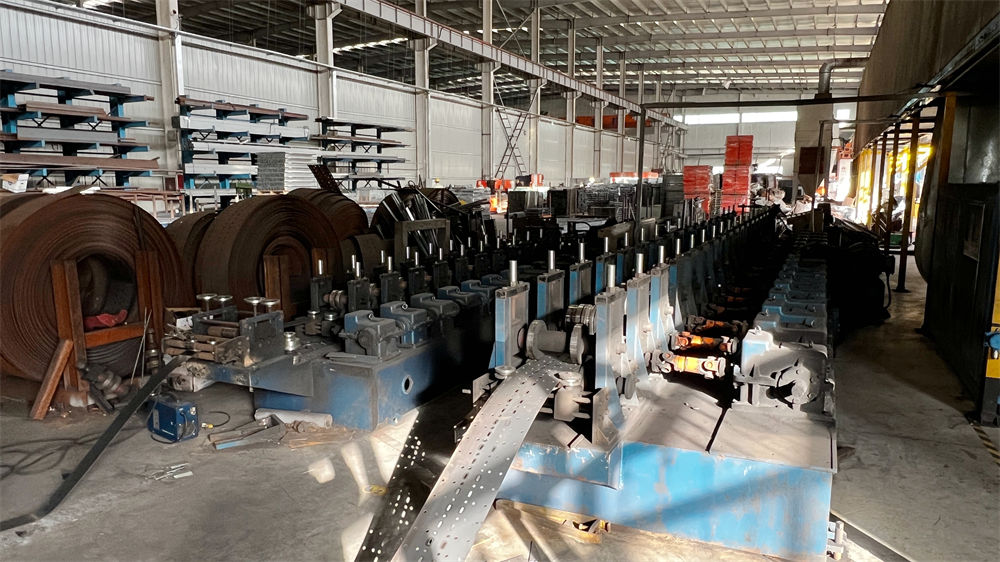
Continuous rolling deformation shapes cold-formed steel sections with high structural dimensional consistency.
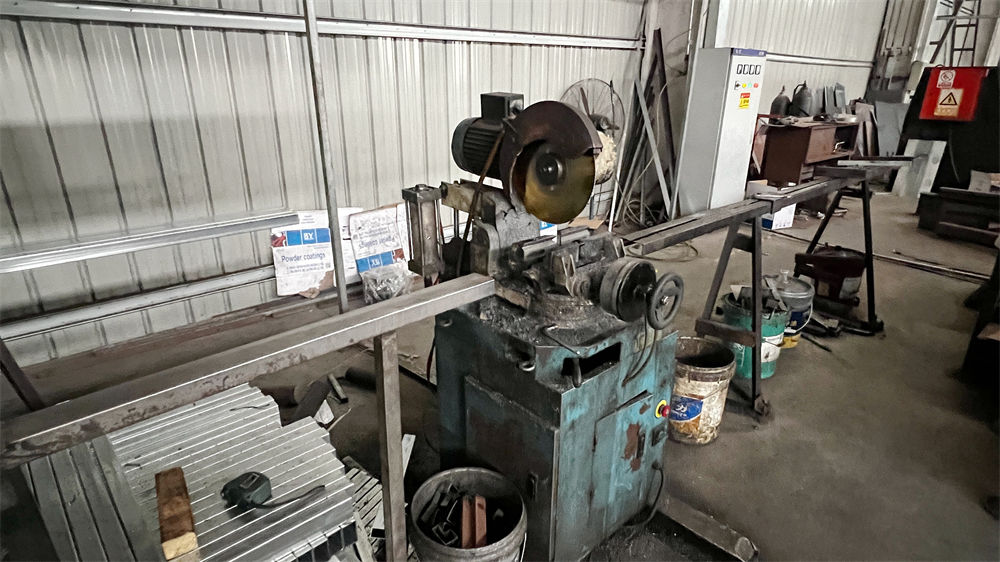
High-precision automated cutting machinery trims components to exact lengths, minimizing dimensional variations.
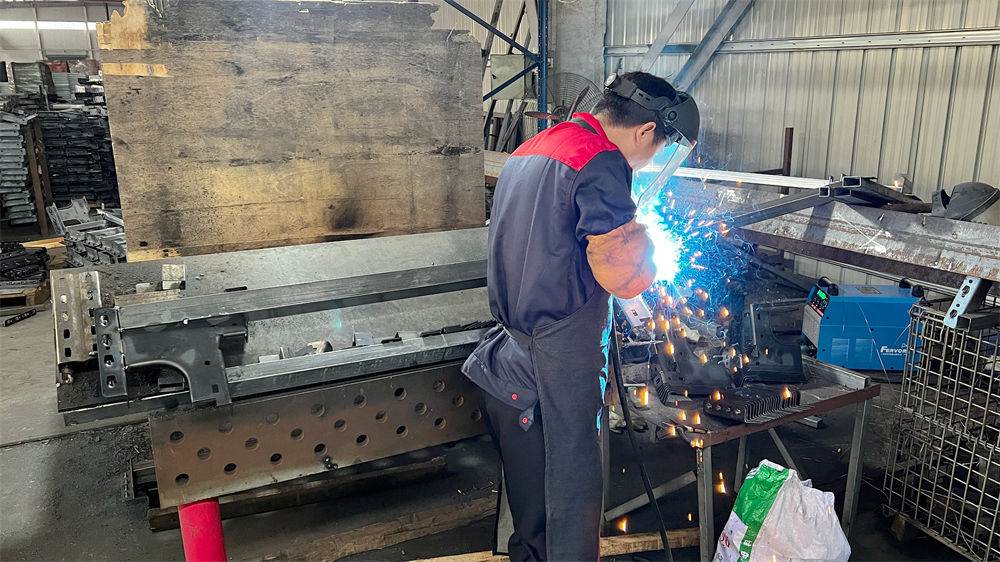
Heavy-duty structural connections are welded with deep penetration techniques to resist high shear stresses.
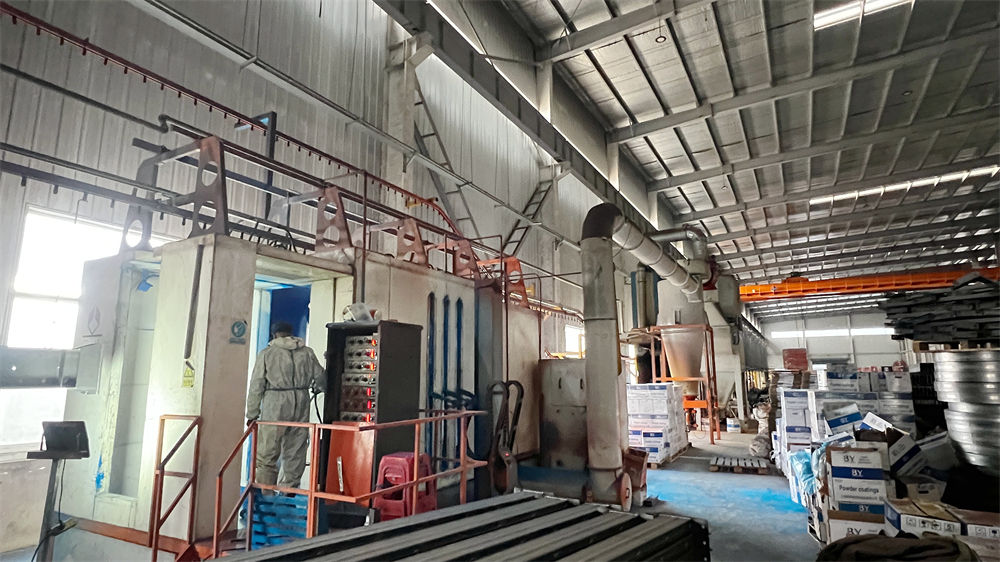
Automated electrostatic powder coat application creates a durable surface finish resistant to corrosion and mechanical abrasion.
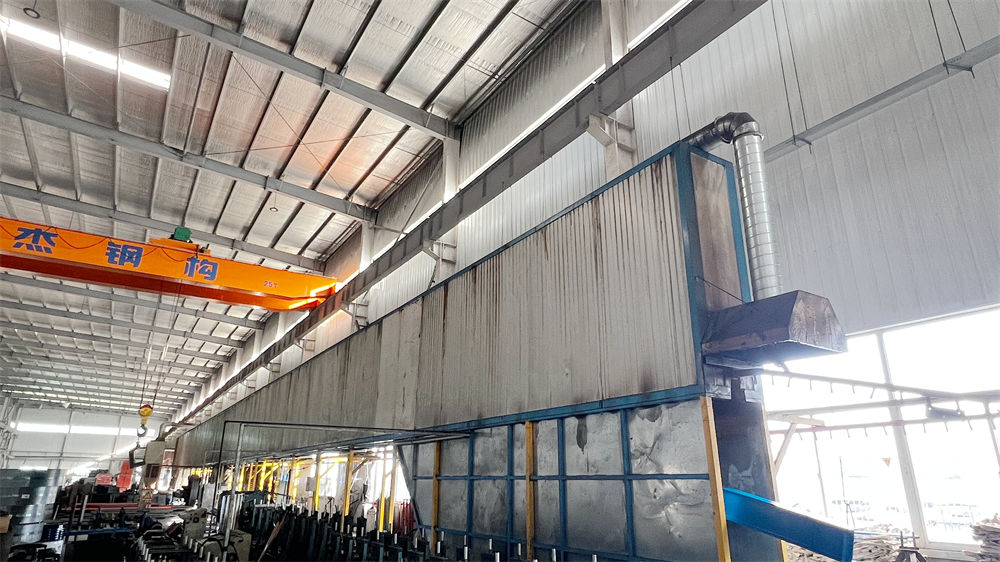
High-temperature curing ovens bake the applied powder coating, maximizing adhesion and surface strength.
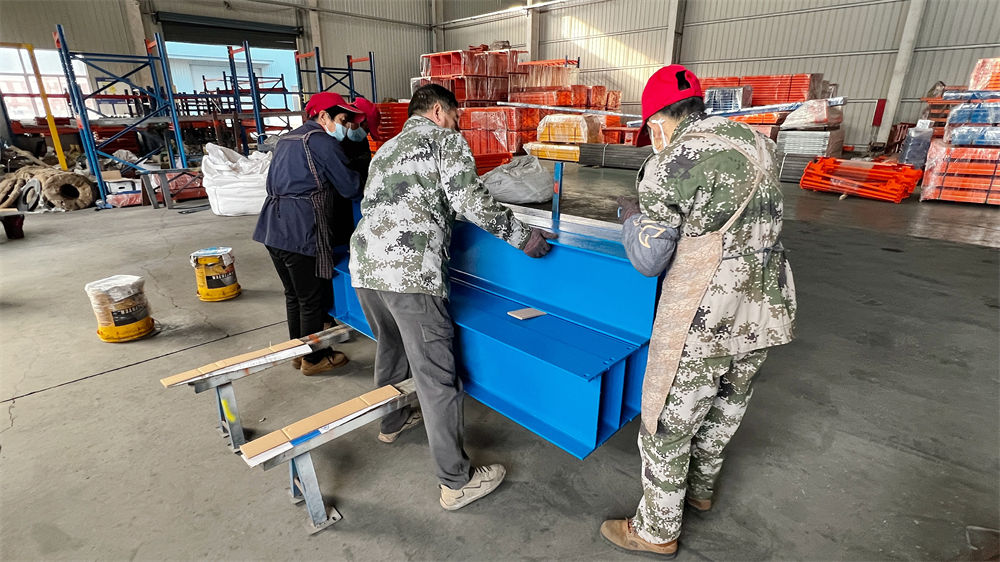
Rigorous quality control inspections verify load limits and dimensions prior to robust, export-safe packing.
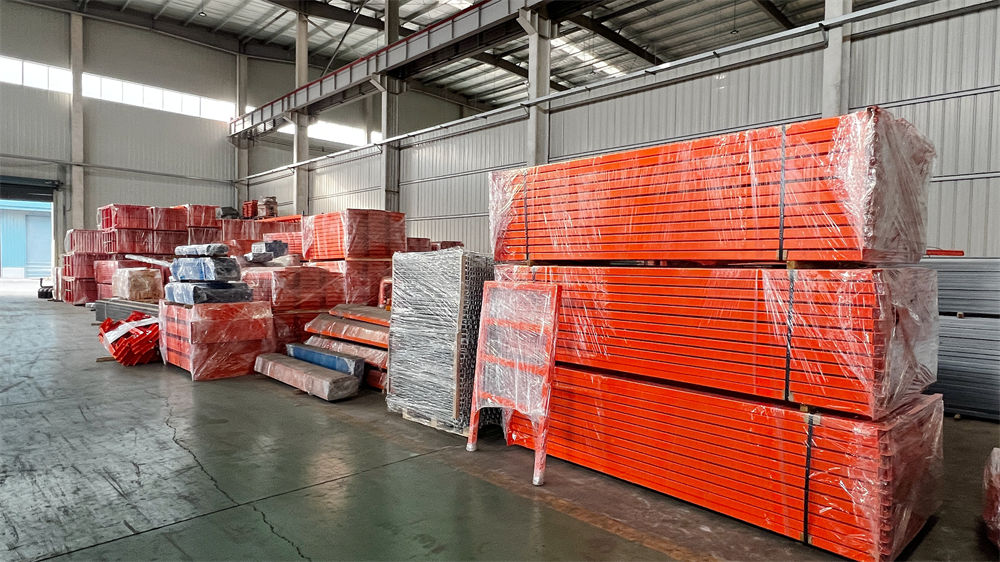
Finished goods are systematically stored in our shipping facility, ready for loading and container dispatch.
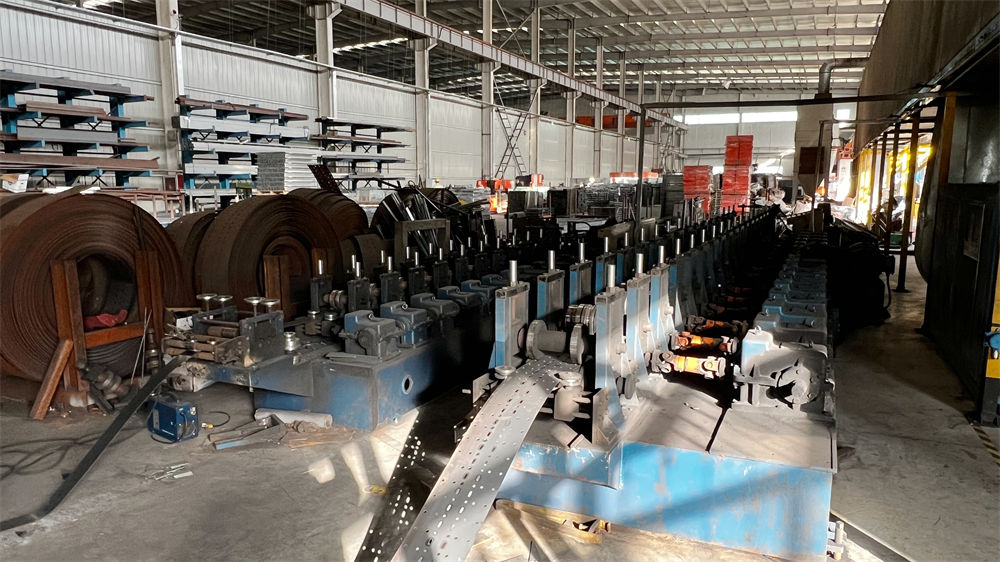
Advanced cold-roll forming lines process raw sheet coils into standardized upright structural profiles.
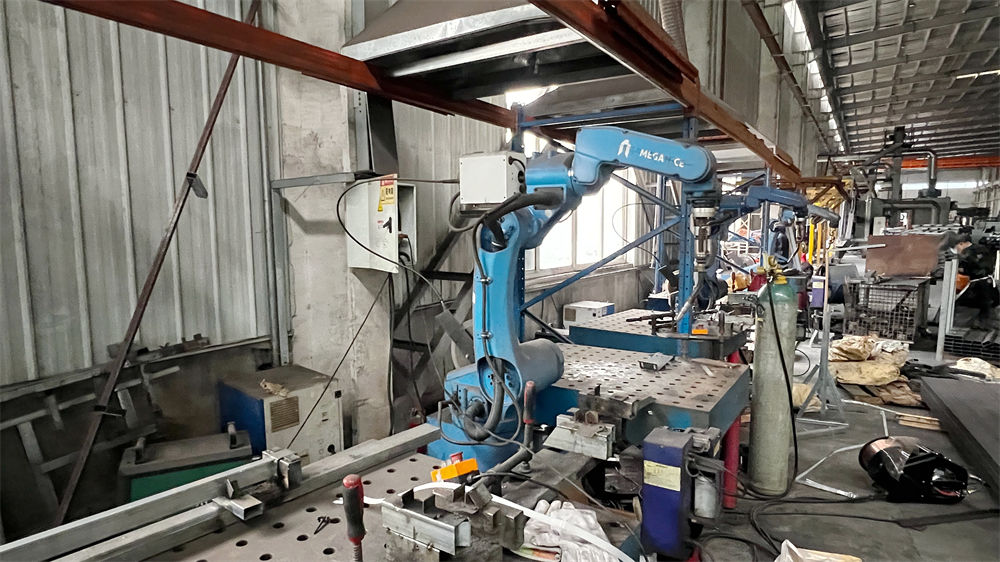
Automated welding stations apply clean, deep-penetration weld beads to ensure maximum frame durability.
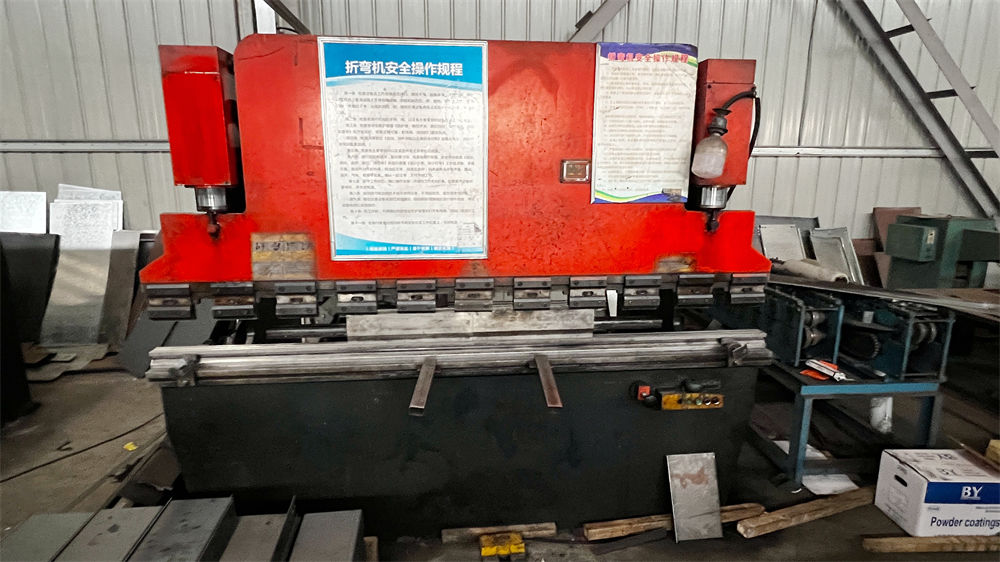
CNC bending equipment processes heavy plate accessories, baseplates, and bracing links to close tolerances.
Exploring the supply chain dynamics, steel quality standards, and scaling capabilities that make China the hub of global storage engineering.
Purchasing heavy-duty racking for warehouse projects is a significant capital expense. Procuring directly from top Chinese racking manufacturers like Nanjing Ciho Racks offers several strategic advantages:
China represents the world's leading manufacturer of high-quality structural steel. Chinese manufacturers secure high-quality Q235B and Q355B carbon steel at competitive price structures. Q355B steel is comparable to European S355 and American Grade 50, providing high yield strength (minimum 355 MPa) to optimize material usage while maintaining strict loading margins.
Chinese factories feature advanced manufacturing lines including automatic continuous roll forming mills and automated robotic welding bays. This level of automation keeps dimensional tolerances within fraction-of-a-millimeter variations, guaranteeing straight columns, uniform arm connections, and easy installation on site.
Top Chinese manufacturers do not simply produce components; they design engineered solutions. Using advanced CAD tools and Finite Element Analysis (FEA) software, engineering teams design custom racking layouts configured for seismic loads, wind factors (for outdoor applications), and dynamic material flow paths.
Located near major deep-water ports like Shanghai and Ningbo, Nanjing factories leverage robust transport networks. This enables cost-effective logistics, streamlined customs clearance, and container shipping to ports in North America, Europe, Australia, and the Middle East.
How heavy industrial sectors deploy cantilever systems to optimize spatial efficiency, protect inventory, and ensure material flow safety.
Industrial cantilever racks serve as primary storage infrastructure across multiple sectors, engineered to support specific load profiles:
| Industry Sector | Primary Stored Commodities | Optimal Racking Configuration | Critical Design Considerations |
|---|---|---|---|
| Steel & Metal Processing | Heavy steel plates, pipes, structural channels, round bars. | Double-sided structural I-beam cantilever systems with dynamic load ratings. | High point-load resistant arms, load deflection limits, heavy-duty floor anchoring. |
| Lumber, Timber & Wood | Plywood panels, MDF, dimensional timber, structural timber beams. | Single-sided or double-sided roll-formed cantilever racks, sometimes equipped with top roofs for outdoor yards. | Broad loading support to prevent wood bowing or sagging; smooth arms to protect surface veneers. |
| Building & Construction Materials | Plastic piping (PVC/HDPE), drywall sheets, metal framing. | Light-to-medium-duty cantilever racks with adjustable arms. | Adapting to variable stock dimensions, optional pipe retainer pins to prevent rolling. |
| Automotive & Heavy Machinery | Car chassis, engine blocks, agricultural equipment, steel coils. | Ultra-heavy-duty cantilever columns with welded-on custom product saddles. | High-impact structural steel columns designed to withstand forklift contact, high safety factor index. |
Specialized Application Focus: Outdoor cantilever systems are typically hot-dip galvanized (HDG) rather than powder coated. Galvanizing provides durable protection against rain, UV exposure, and temperature fluctuations, preventing rust and preserving structural integrity for decades of outdoor operations.
What procurement officers must inspect to confirm compliance with global safety codes and industrial racking regulations.
When sourcing cantilever systems from China, overseas buyers should confirm adherence to international racking codes rather than relying solely on raw price quotes. Here are the primary structural codes and certifications required for industrial sites:
In the United States, racks should comply with the Rack Manufacturers Institute (RMI) MH16.1 code. This standard defines the calculations for member stresses, connection details, and seismic testing protocols, ensuring safety and compliance under US building codes.
For installations in the EU, systems must meet EN 15635 and FEM 10.2.09 rules. These standards define design principles, tolerances, and safe operation procedures, ensuring safety under European warehouse safety regulations.
Steel storage racking in Australia must conform to the AS4084:2012 / AS4084:2023 standard. It dictates testing protocols for columns, bases, and connection locks, and requires regular safety inspection audits.
Crucial Procurement Checklist:
How industry digitalization, warehouse automation, and green manufacturing are transforming modern steel racking.
The industrial storage industry is undergoing a digital transformation. Traditional steel racks are evolving into intelligent components integrated into automated warehouse logistics networks:
Cantilever racks are increasingly configured to interface with stacker cranes and automated guided vehicles (AGVs). In AS/RS environments, racking tolerances must be tight—often within ±1.5mm—to prevent crane positioning errors. Laser-guided manufacturing and coordinate checking during fabrication ensure compatibility with modern warehouse robotics.
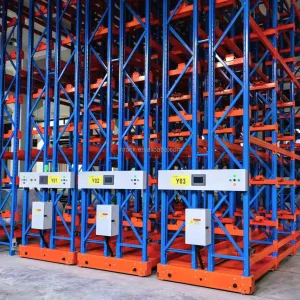
For expensive cold-storage facilities or high-density warehouses, electric mobile racking systems provide high storage density. By placing cantilever racks on motor-driven base guides that travel along embedded floor rails, warehouses can eliminate multiple access aisles down to a single operational aisle. This increases storage capacity by up to 80% while retaining full selectivity.
Global enterprises prioritize sustainability. Modern racking manufacturers utilize green steel (recycled content carbon steel) and low-temperature powder curing ovens to reduce their carbon footprint. Powder coat systems are formulated without VOCs (Volatile Organic Compounds) to meet environmental regulations.
Answers to common engineering and procurement questions regarding cantilever racking design, installation, and compliance.
Roll-formed cantilever racks are shaped from cold-rolled steel coils, creating lightweight, cost-effective components best suited for light-to-medium-duty storage. Structural cantilever racks are made from hot-rolled I-beams. This heavy structural steel configuration offers superior resistance to forklift impact forces and supports much higher weight limits, making it suitable for heavy metals, coils, and industrial machinery.
The spacing of the columns and arms must prevent product sagging, which can damage the materials and create uneven forces on the rack. To test this, place your product across two wooden blocks spaced at your planned column centers. If the product deflects or sags, you need to reduce the column spacing and add more support arms to distribute the load evenly.
No. Single-sided and double-sided columns are manufactured with different base structures and internal reinforcement layouts. Single-sided frames cannot support the unbalanced dynamic loads of a double-sided system. Always consult the manufacturer to adjust base welds and bracing before changing load layouts.
Production typically takes 20 to 30 days once structural drawing sign-offs and down payments are received. Ocean freight and customs delivery add approximately 15 to 40 days, depending on the destination port (e.g., European hubs, US West Coast, or Australian ports). Planning procurement 60 to 90 days before your warehouse installation date is highly recommended.
Yes. Industrial cantilever systems must be anchored to a concrete slab using heavy-duty expansion bolts or chemical anchors. The floor thickness and concrete strength must be sufficient to handle the shear forces and bending moments transferred from the upright bases under full load conditions.
Heavy-duty warehouse storage racks, display structures, and automated mobile systems engineered for safety and operational efficiency.
 Ciho Racks