Explore our high-performance industrial shelving, structural racks, and automated warehouse configurations engineered for high-density durability.
In modern industrial logistics, the cold chain serves as the lifeline for pharmaceutical distribution, global food systems, fresh agriculture, and specialized chemical processing. Unlike ambient storage configurations, cold storage facilities function under extreme thermal constraints, frequently maintaining temperatures ranging from 0°C to as low as -30°C. Within these ultra-low temperature environments, storage systems must operate with structural precision to mitigate the high operational costs associated with refrigeration.
Thermal mechanics within cold storage present challenges. Standard structural steels are prone to cold embrittlement, where sub-zero temperatures cause a phase shift in the material's microcrystalline lattice, reducing overall ductility and making standard steel susceptible to brittle fractures under dynamic impact. Thus, standard warehouse racking configurations cannot be reliably applied. Dedicated cold storage systems require custom metallurgical engineering, protective surface finishes, and dense layouts that conserve cooling energy.
Nanjing Ciho Racks Co., Ltd. resolves these challenges by using high-strength low-alloy structural steel, such as Q355D and Q355E, which undergo rigorous Charpy V-Notch impact energy testing at -20°C and -40°C. This guarantees that under dynamic forklift impacts, seismic events, or loading imbalances, the racks deform plastically rather than fracturing cleanly. In addition, we apply specialized, thick-film zinc-rich epoxy powder coatings cured at precise thermal curves to ensure the finish expands and contracts alongside the steel body, preventing micro-cracking and moisture ingress.
A trusted global manufacturer specializing in high-capacity warehouse storage systems and customized industrial racking solutions.
Nanjing Ciho Racks Co., Ltd. is a professional manufacturer and supplier specializing in warehouse storage systems and industrial racking solutions. With years of experience in the material handling industry, we are committed to providing efficient, durable, and cost-effective storage solutions for customers worldwide.
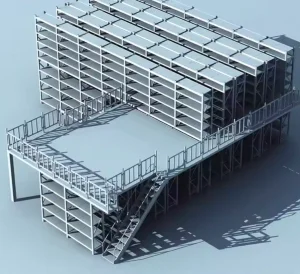
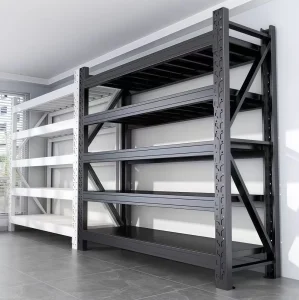
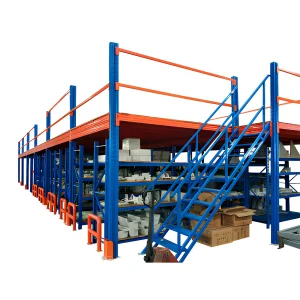
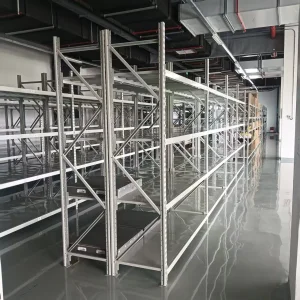
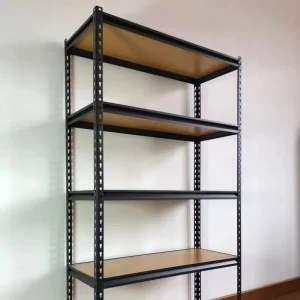
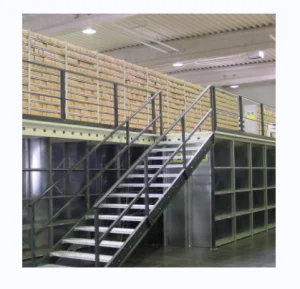
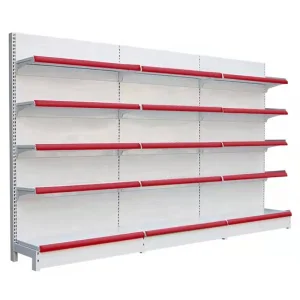
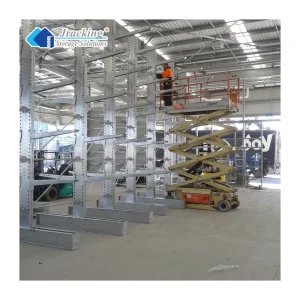
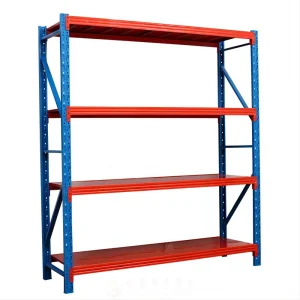
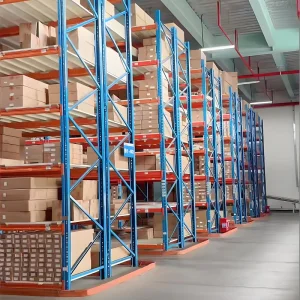
Our product range includes selective pallet racks, drive-in racks, cantilever racks, mezzanine systems, longspan shelving, steel platforms, carton flow racks, and customized warehouse storage solutions. Designed for maximum space utilization and operational efficiency, our products are widely used in logistics centers, manufacturing facilities, distribution warehouses, e-commerce fulfillment centers, and retail storage applications.
At Ciho Racks, quality is our top priority. From product design and raw material selection to manufacturing and final inspection, every step is carried out under strict quality control standards to ensure reliability, safety, and long service life. Our experienced engineering team works closely with customers to develop tailored storage solutions that meet specific warehouse requirements.
Driven by innovation, customer satisfaction, and continuous improvement, we have established long-term partnerships with clients across Europe, North America, Southeast Asia, the Middle East, and many other regions.
Nanjing Ciho Racks Co., Ltd. is dedicated to delivering high-quality products, competitive pricing, on-time delivery, and professional technical support. We look forward to becoming your trusted partner for warehouse storage and logistics solutions.
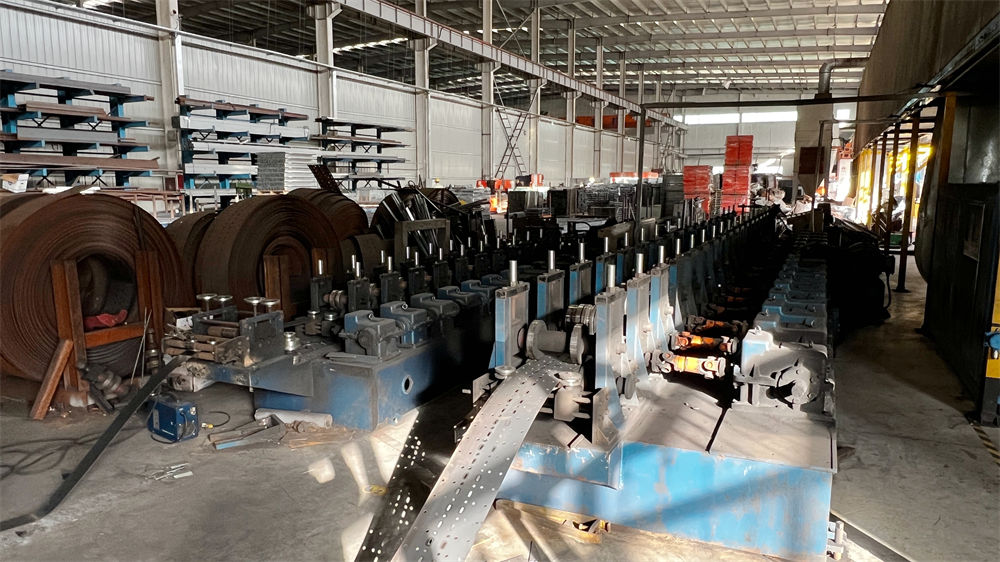
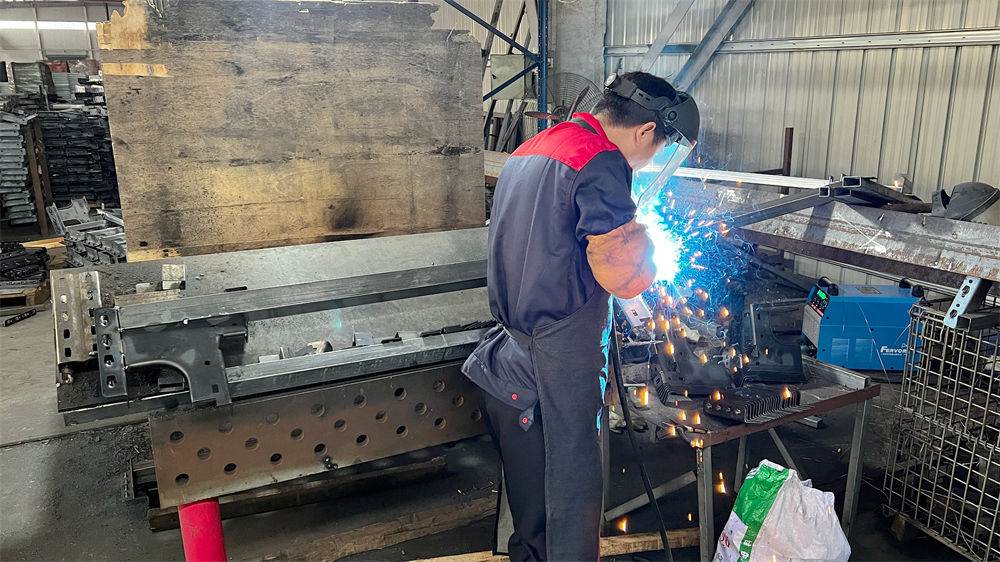
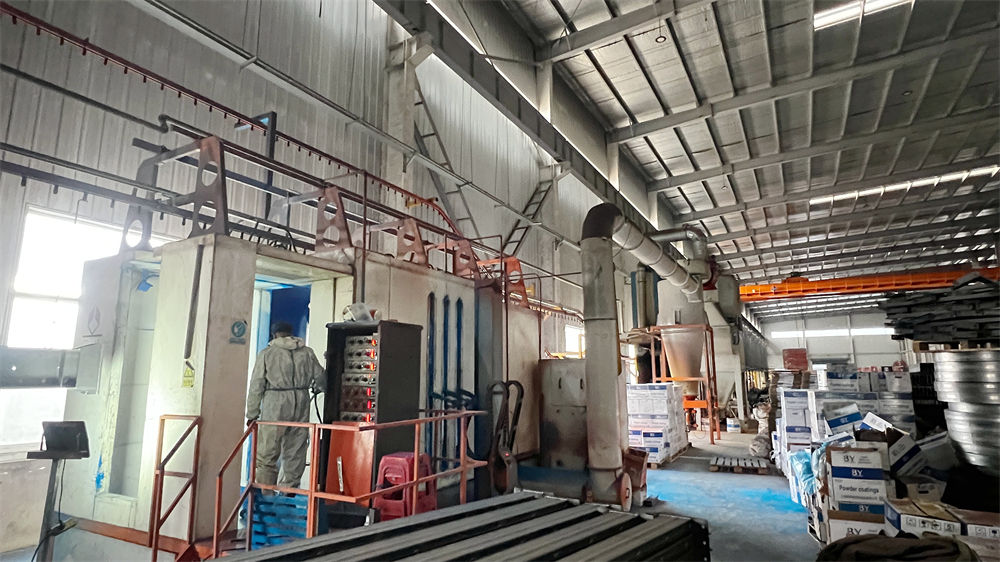
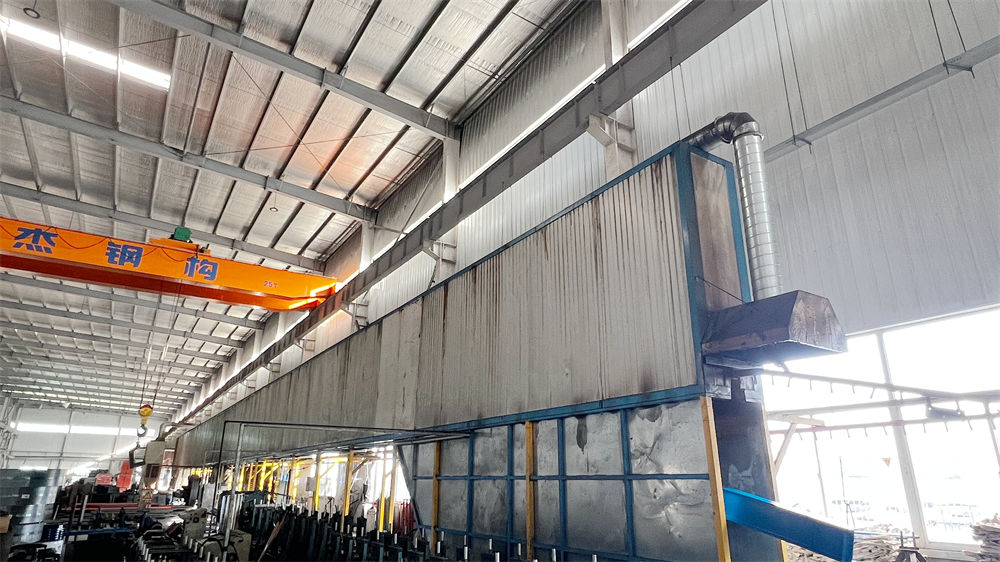
Equipped with state-of-the-art robotic welding, high-speed automated forming lines, and multi-stage powder coating systems to guarantee consistent tolerances and superior finishes.
Full design capabilities, including Finite Element Analysis (FEA) and seismic compliance engineering tailored to regional structural regulations (RMI, EN 15635, AS4084).
Decades of experience facilitating smooth global delivery, direct-to-site shipping configurations, and clear technical documentation for fast deployment.
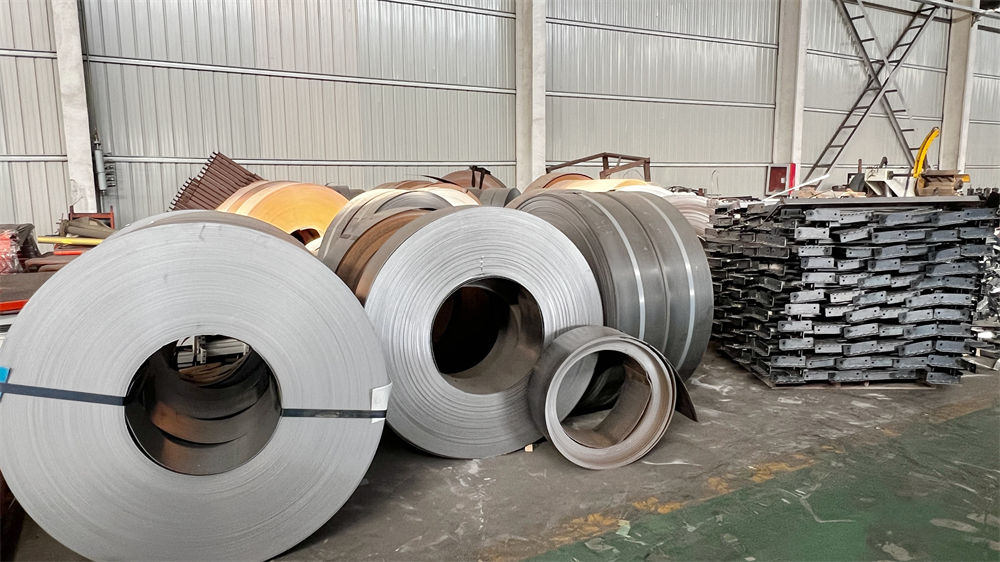
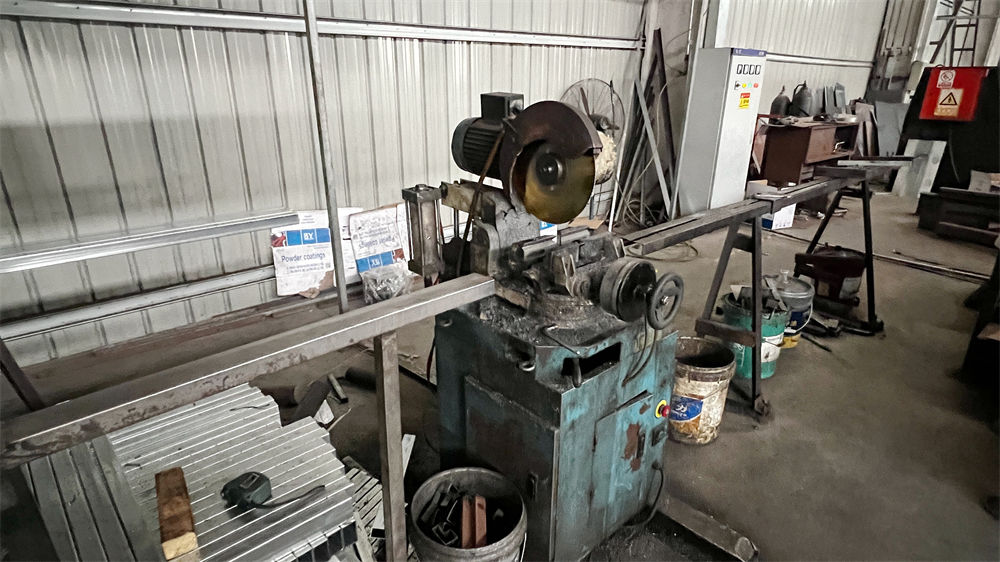
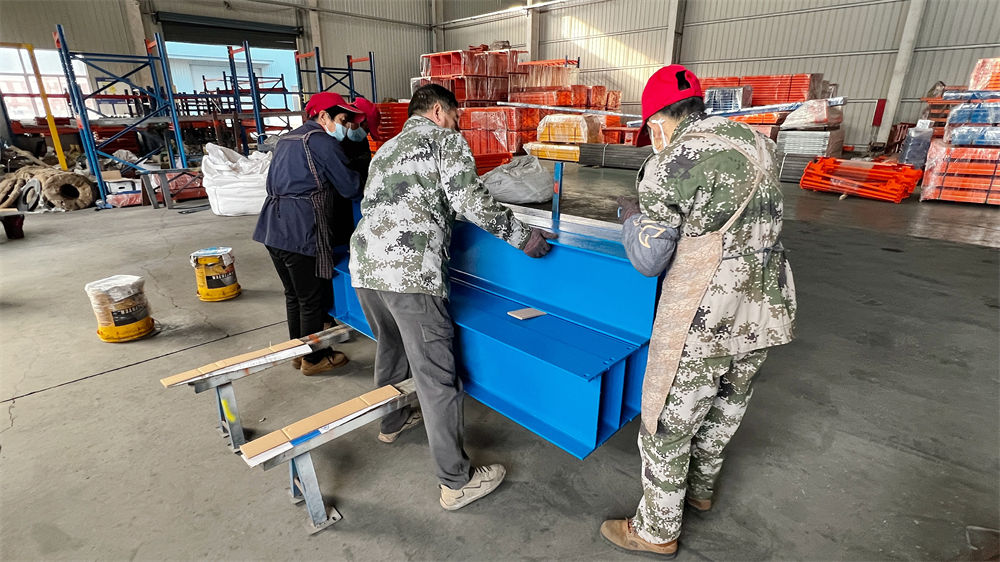
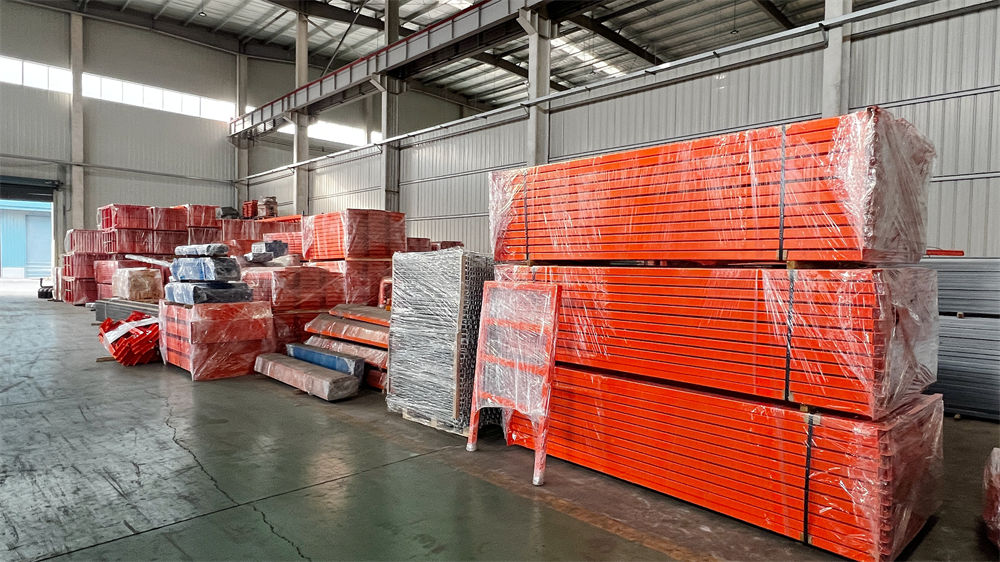
An inside look at our certified manufacturing process, tracing steel roll sourcing through fabrication, robotic welding, finishing, and final structural staging.
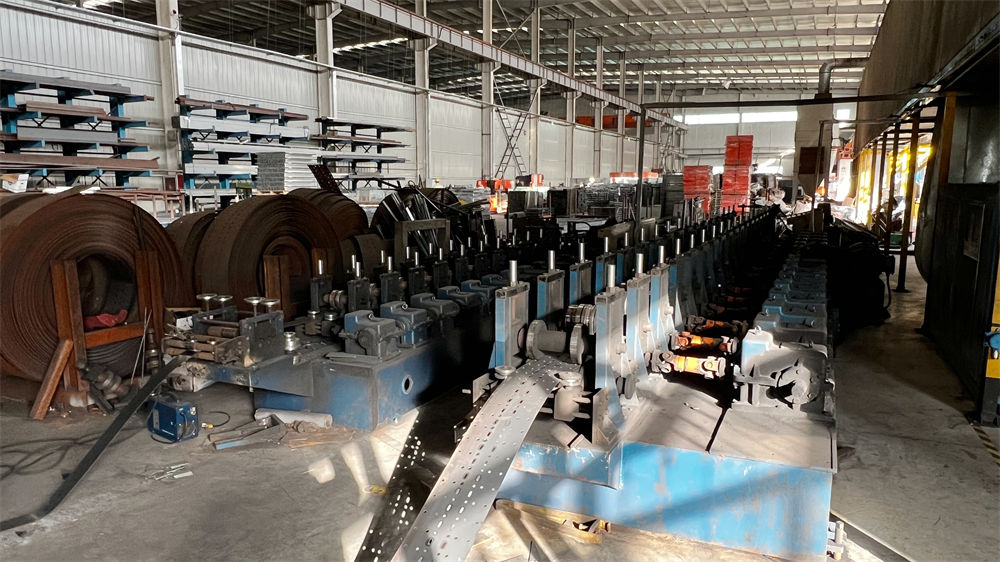
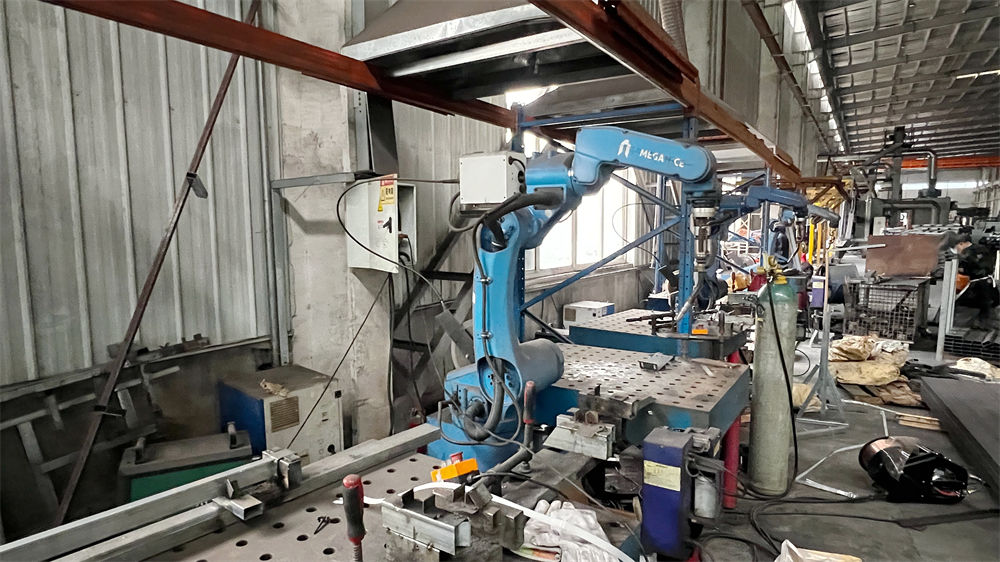
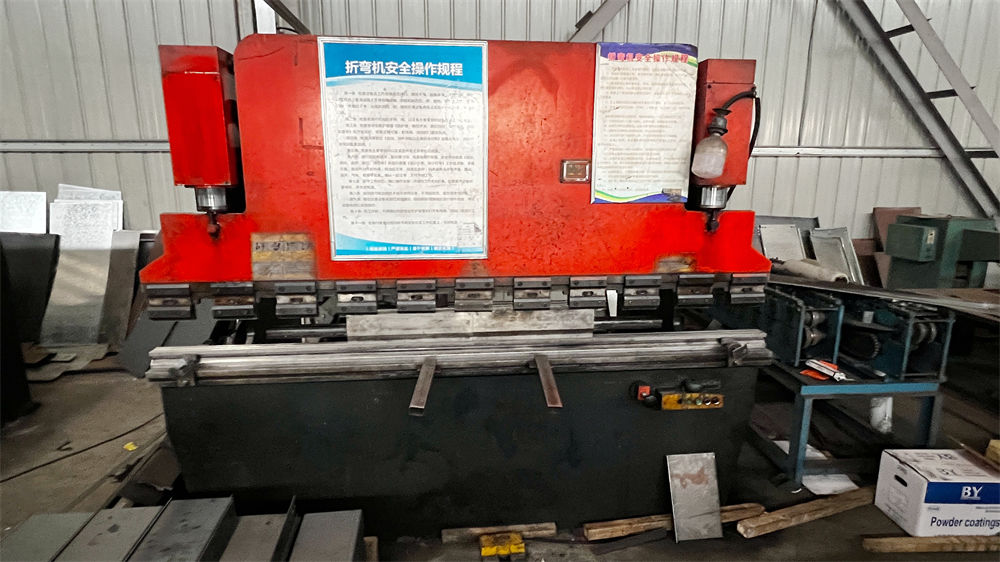
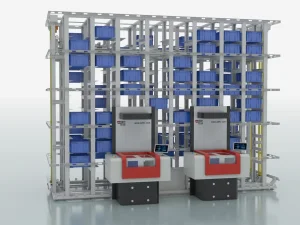
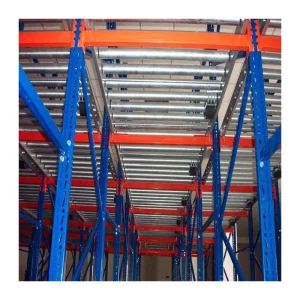
Cold storage facilities are capital-intensive, with refrigeration operating costs scaling by cubic meter. Consequently, maximizing cube utilization is a priority. Selective pallet racking, though versatile, is rarely sufficient for large-scale operations. High-density storage topologies such as Drive-In/Drive-Through, Pallet Flow (FIFO), Push-Back (LIFO), Mobile Pallet Racking, and automated ASRS shuttle environments offer better volume efficiency.
| Racking Topology | Density Index | Selectivity Profile | Temperature Compatibility | Best Application Scenario |
|---|---|---|---|---|
| Selective Pallet Racking | Low (40-50%) | 100% (Immediate Access) | Ambient down to -30°C | High SKU count, lower inventory volume |
| Drive-In Racking | High (70-75%) | Low (LIFO flow) | Chilled down to -25°C | Homogeneous stock, batch shipping |
| Pallet Flow (FIFO) | Very High (80%+) | Medium (First-in, First-out) | Chilled down to -20°C | Perishables, high-turnover food |
| Radio Shuttle System | Excellent (85%+) | Flexible (FIFO / LIFO) | Deep Freeze down to -30°C | High-volume cold storage distribution centers |
| Mobile Pallet Racking | Superior (85%+) | 100% (Dynamic Access) | Chilled and Frozen spaces | Maximum density with full SKU access |
Implementing dynamic, high-density configurations in sub-zero zones requires careful engineering. In dynamic gravity flow or radio shuttle systems, lubricants must be engineered to prevent freezing at -30°C, which can lock up drive bearings and rollers. In addition, moisture cycles present risks. When warm external air meets sub-zero air during loading dock operations, condensation forms on metal surfaces. If the temperature drops below freezing, this moisture turns into a layer of ice. Nanjing Ciho Racks designs structural features that prevent water accumulation and incorporates slip-resistant surfaces to maintain safe operation for both manual and automated material handling equipment.
Compliance with structural engineering standards is critical for industrial warehouse safety. Because racking systems support tons of overhead inventory, design criteria must account for both dead loads and dynamic forces, including seismic activity, forklift impacts, and uneven load distributions.
At Nanjing Ciho Racks Co., Ltd., we design, build, and test our racking systems to comply with leading international quality and safety codes:
Our engineering team utilizes Finite Element Method (FEM) software to model stress concentrations under extreme loads, simulating seismic accelerations for facilities located in earthquake-prone regions. This mathematical verification ensures that support frames, base plates, anchors, and beam connections are sized to prevent structural collapse under stress.
The cold storage sector is evolving toward carbon neutrality and automated operations. As energy costs and environmental regulations increase, facilities are shifting focus toward decarbonization and operational efficiency. The industry is moving toward "green steel" manufacturing, which utilizes hydrogen-based reduction processes instead of coal-fired blast furnaces to minimize the carbon footprint of structural warehouse components.
Another emerging trend is the integration of "Smart Racks." By embedding fiber-optic structural sensors and micro-electromechanical (MEMS) strain gauges within upright columns and load-bearing beams, warehouse management software can monitor structural loads in real time. These sensors detect early structural deformation, overload conditions, or forklift impacts, alerting maintenance teams before failures occur. This continuous monitoring helps operators maintain safety standards and optimize maintenance schedules without requiring complete facility shutdowns.
Get professional insights on engineering, customization, logistics, and safety standards for low-temperature warehousing environments.
Explore our secondary lineup of heavy-duty, medium-duty, and automated logistics storage configurations designed to maximize space utility.
 Ciho Racks