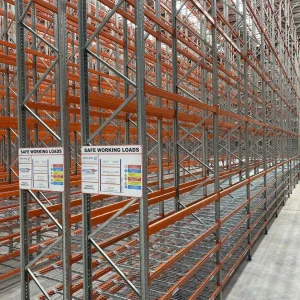
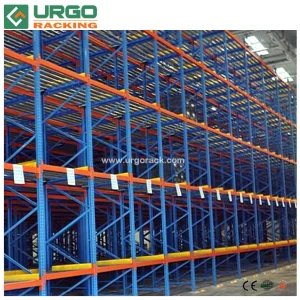
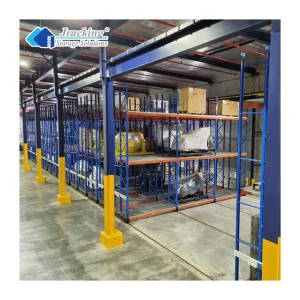
Our premium engineering selection optimized for heavy load performance, seismic reliability, and automated system integration.
In the era of hyper-globalization and rapid supply chain acceleration, industrial logistics racks have transitioned from static steel frames to highly engineered components of modern warehouse architecture. The global industrial racking market is experiencing structural growth driven by the expansion of automated cold-chain logistics, regionalization of storage hubs, and the explosive rise of e-commerce fulfillment centers.
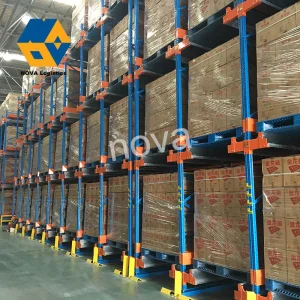
Industrial developers and logistics providers face escalating land acquisition costs globally. This real estate pressure forces warehouses to scale vertically rather than horizontally, elevating the demand for high-density systems like Very Narrow Aisle (VNA) racking and dynamic shuttle-based systems. Structurally, these racks must maintain extreme rigidity and tight tolerance margins to integrate with Automated Storage and Retrieval Systems (AS/RS).
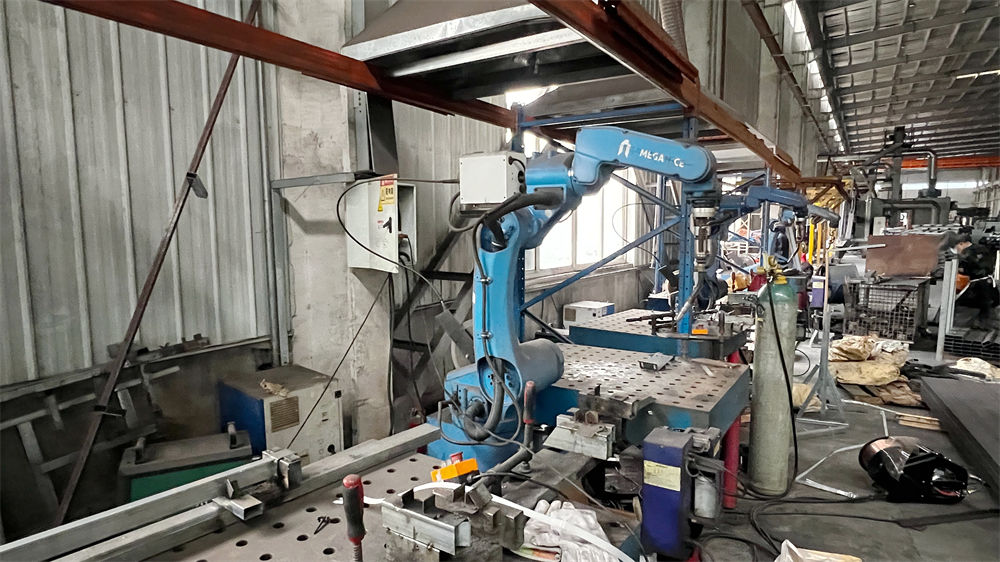
Furthermore, dynamic seismic design compliance (such as the Rack Manufacturers Institute (RMI) standards in North America and FEM 10.2.02 codes in Europe) is now a baseline requirement for international procurement. China's racking factories have invested heavily in structural testing, material grade optimization (e.g., Q355B high-tensile steel), and advanced robotic welding cells to meet these strict cross-border regulatory frameworks, establishing themselves as key partners for global infrastructure projects.
The modern logistics landscape is defined by three converging forces: warehouse automation, digital inventory tracking, and environmental sustainability.
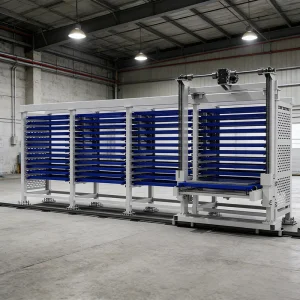
Standard static racks are shifting toward hybrid systems engineered to support high-speed stacker cranes, autonomous shuttles, and automatic vertical lifts. This integration demands dimensional tolerances within millimeters over heights exceeding 30 meters.
Incorporating smart sensors and RFID antennas directly into the steel profiles of storage shelves enables live inventory tracking. Warehouses can run diagnostics on payload weight distribution, frame stress limits, and real-time bay utilization.
Global logistics developers now screen suppliers based on their carbon footprint. Utilizing green steel, reducing zinc runoff during hot-dip galvanization, and applying non-toxic powder coatings are critical for meeting global ESG standards.
Nanjing Ciho Racks Co., Ltd. is a professional manufacturer and supplier specializing in warehouse storage systems and industrial racking solutions. With years of experience in the material handling industry, we are committed to providing efficient, durable, and cost-effective storage solutions for customers worldwide.
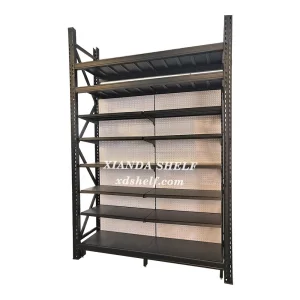
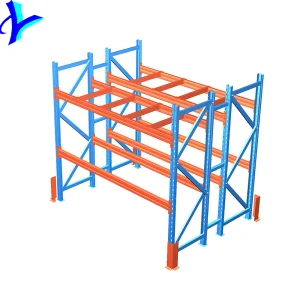
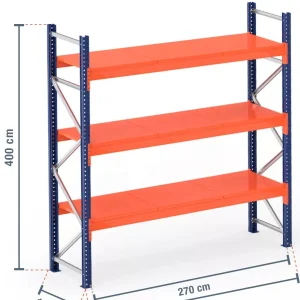
Our product range includes selective pallet racks, drive-in racks, cantilever racks, mezzanine systems, longspan shelving, steel platforms, carton flow racks, and customized warehouse storage solutions. Designed for maximum space utilization and operational efficiency, our products are widely used in logistics centers, manufacturing facilities, distribution warehouses, e-commerce fulfillment centers, and retail storage applications.
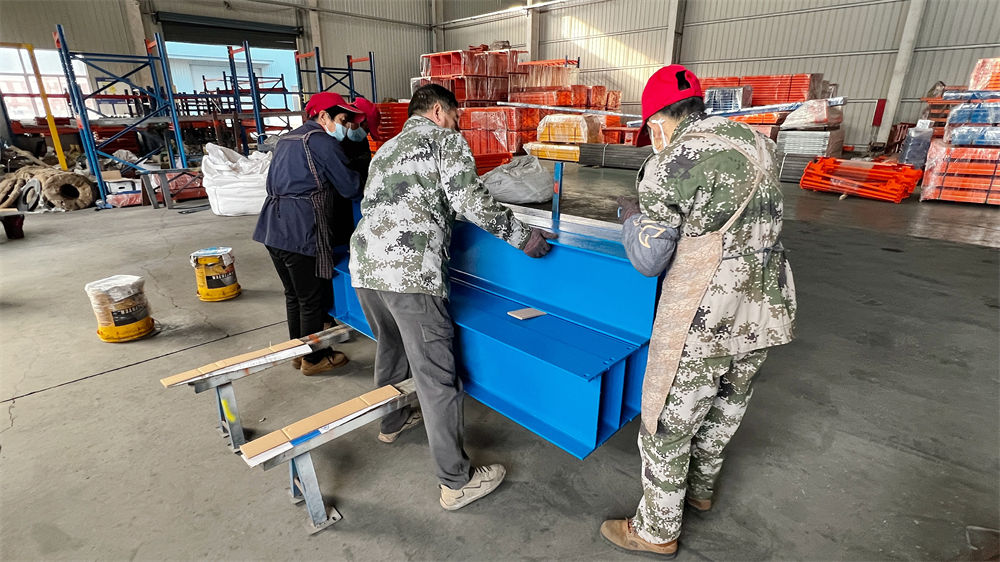
At Ciho Racks, quality is our top priority. From product design and raw material selection to manufacturing and final inspection, every step is carried out under strict quality control standards to ensure reliability, safety, and long service life. Our experienced engineering team works closely with customers to develop tailored storage solutions that meet specific warehouse requirements.
Driven by innovation, customer satisfaction, and continuous improvement, we have established long-term partnerships with clients across Europe, North America, Southeast Asia, the Middle East, and many other regions. Nanjing Ciho Racks Co., Ltd. is dedicated to delivering high-quality products, competitive pricing, on-time delivery, and professional technical support. We look forward to becoming your trusted partner for warehouse storage and logistics solutions.
To optimize warehouse space and improve logistics efficiency by providing innovative, safe, and reliable storage solutions for customers around the world.
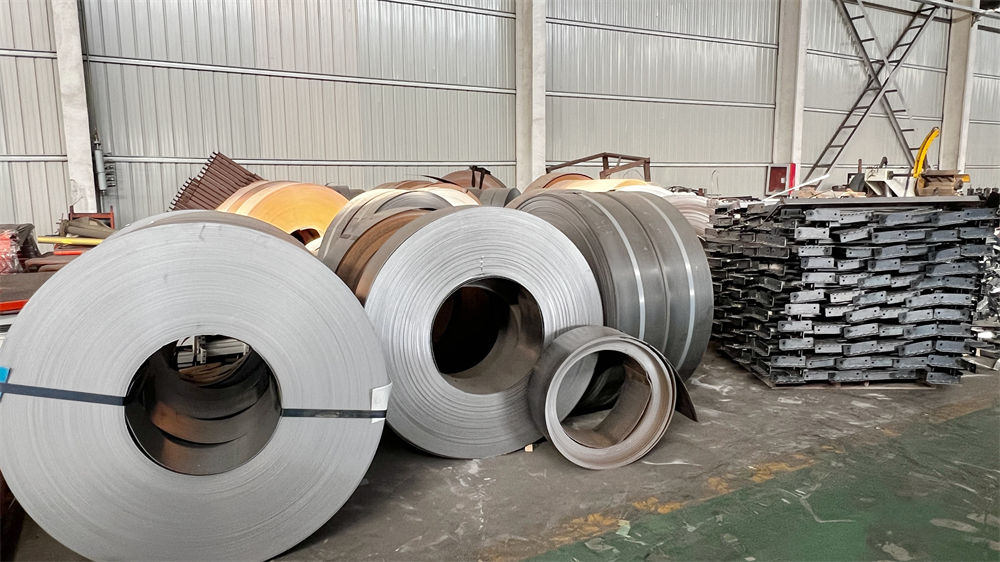
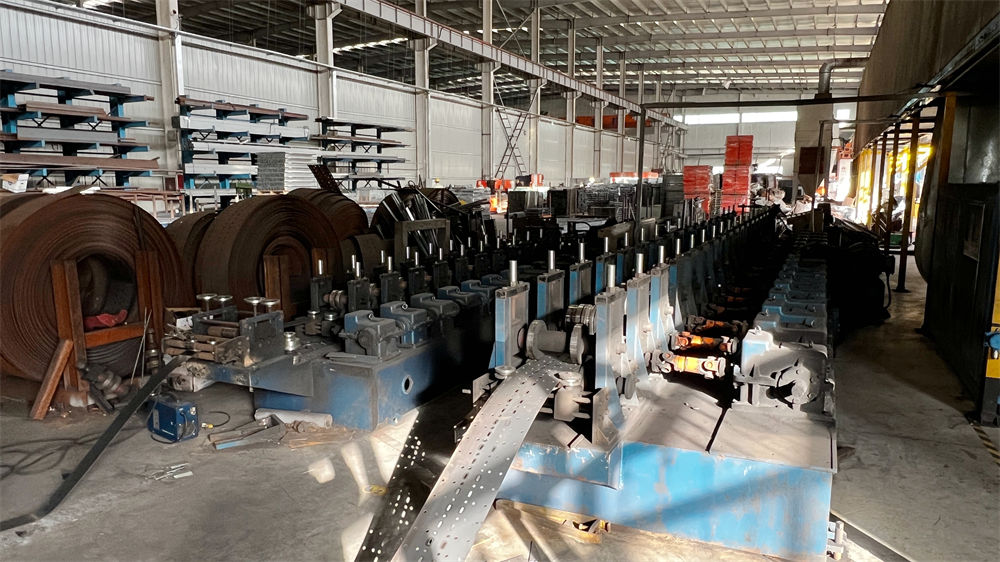
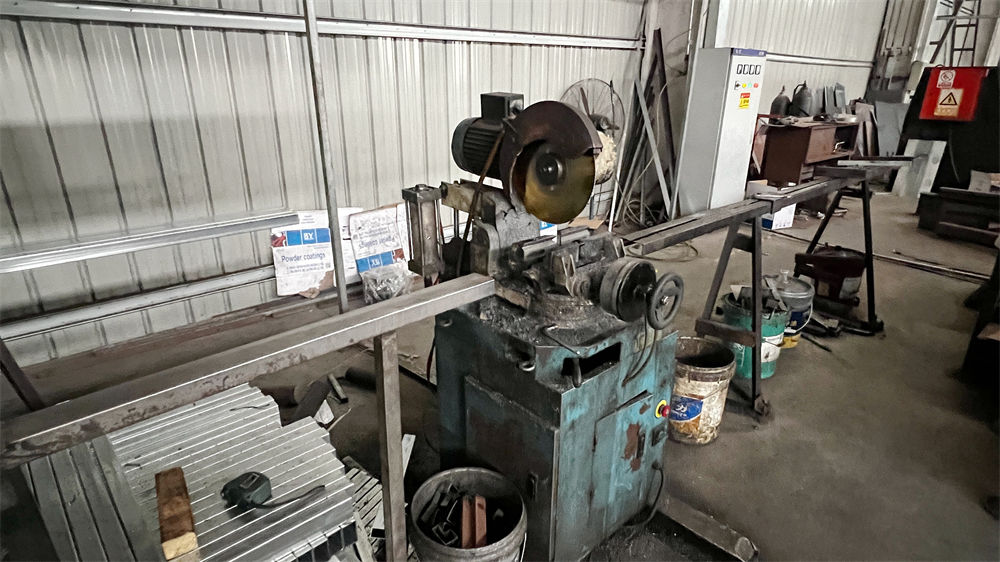
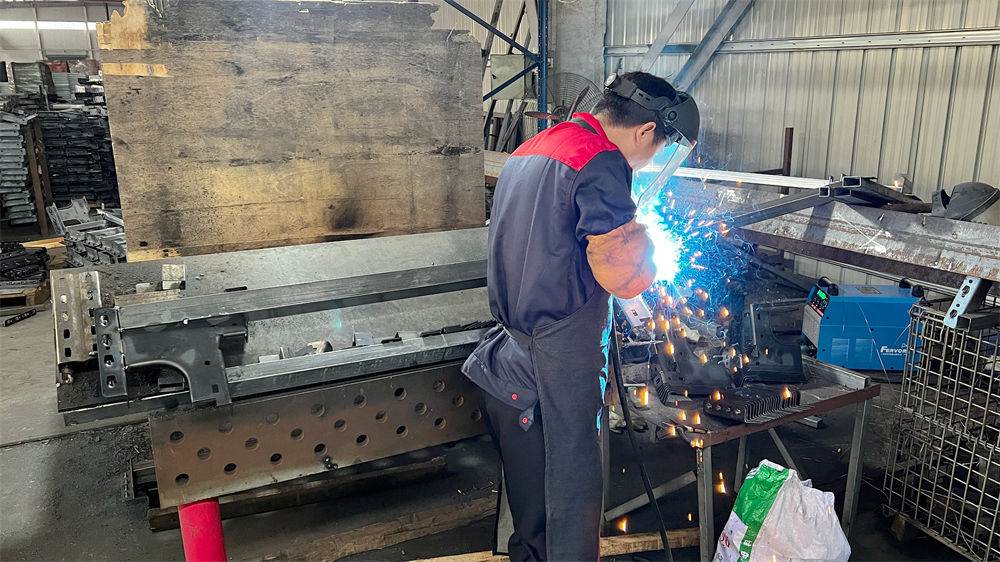
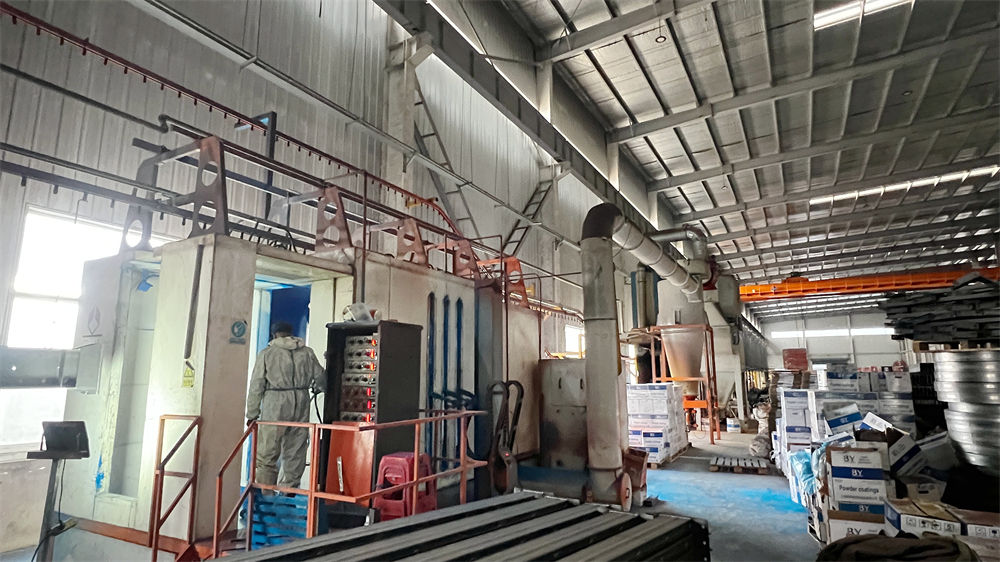
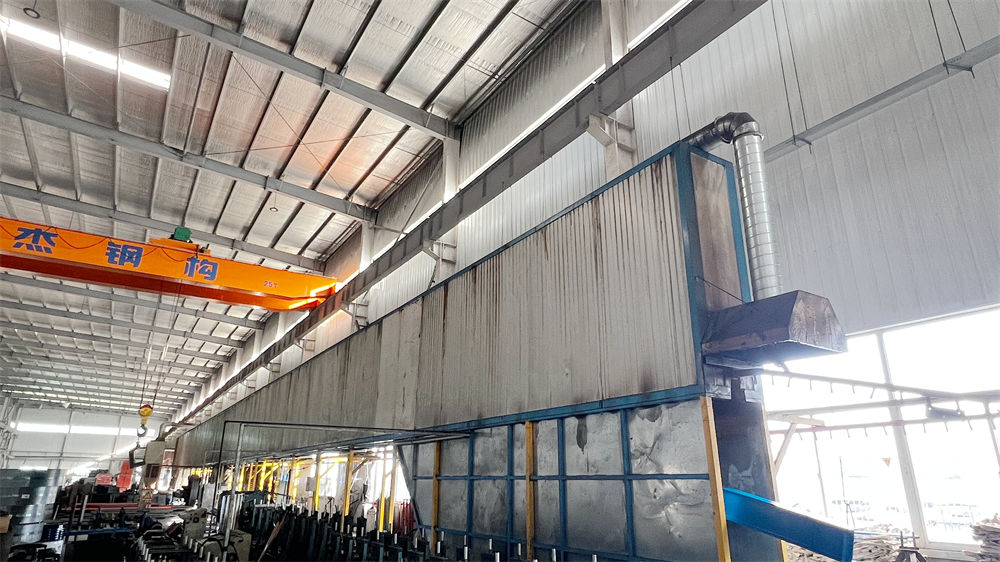
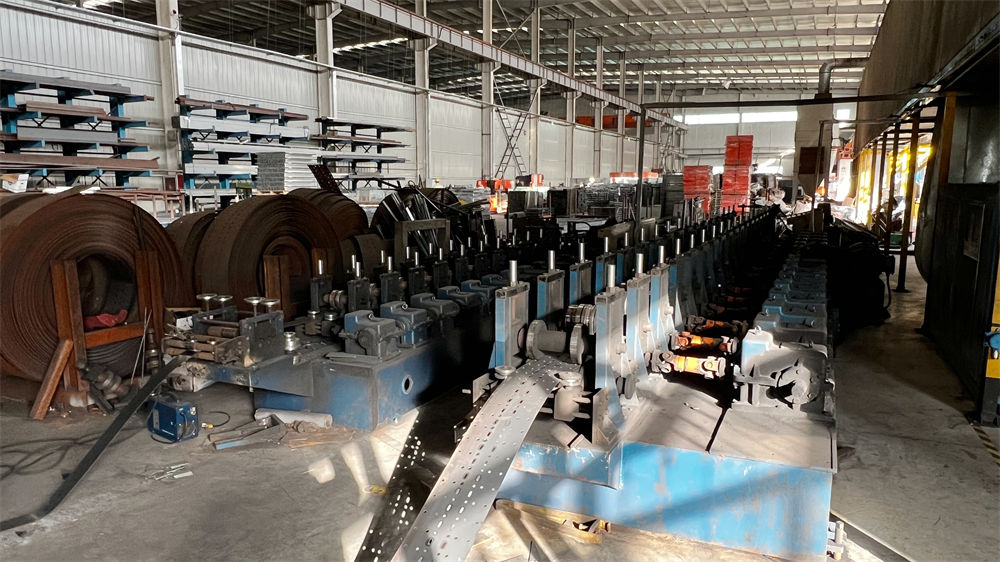
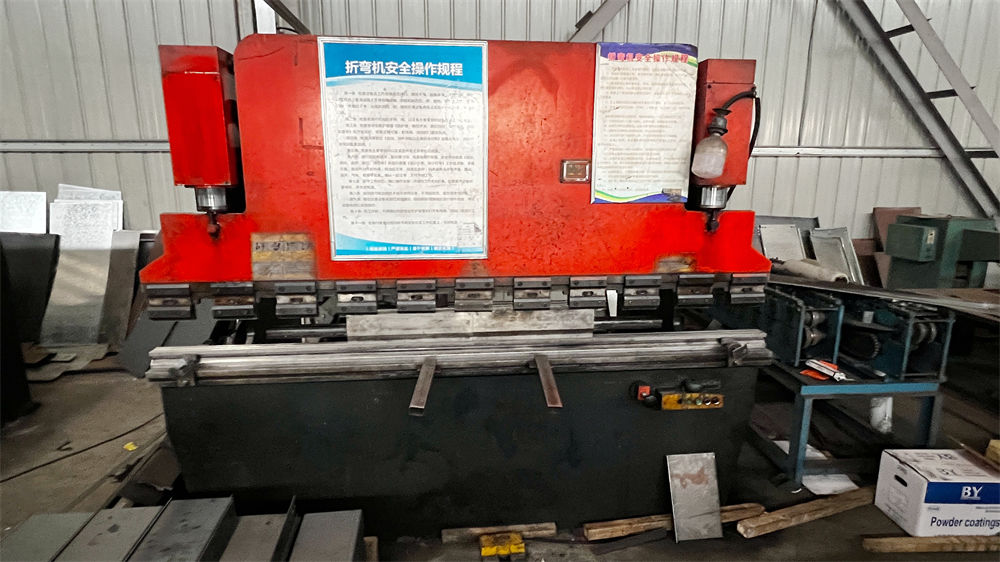
Our manufacturing facilities leverage automated cold-rolling mills, state-of-the-art robotic welding, and environmental electrostatic powder coating lines. This machinery ensures every beam and upright profile complies with international loading tolerances.
Racking systems are not one-size-fits-all. Different industries require customized engineering to optimize flow and ensure structural safety:
Storage environments operating at sub-zero temperatures (down to -30°C) require specialized steel formulations to prevent low-temperature embrittlement. Standard carbon steels can crack under dynamic loading in deep freeze environments. We manufacture our racks using cold-resistant steel grades combined with anti-condensation powder coatings. This prevents rust, retains tensile strength, and supports automatic high-speed shuttle runners in sub-zero zones.
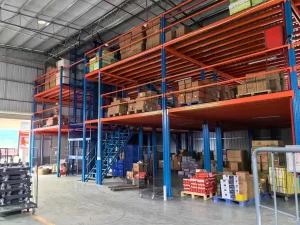
For e-commerce warehouses, throughput speed and sku layout are primary challenges. These environments benefit from multi-level steel mezzanines and gravity flow racks. By integrating picking shelves with conveyor lines, layout designs can double or triple the picking volume per square meter. Durable materials reduce downtime, keeping facilities running during peaks like Black Friday or Singles' Day.
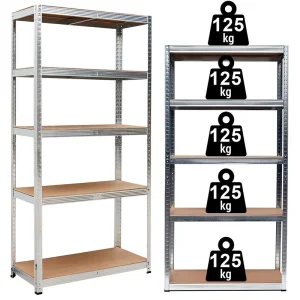
Heavy manufacturing facilities require storage configurations capable of handling uneven loads, raw metals, and casting dies. Traditional shelving often fails under these heavy dynamic forces. We design our heavy-duty double deep pallet racks and cantilever systems with safety factors exceeding international engineering norms. This helps prevent structural collapse, protect forklifts, and keep operations running safely.
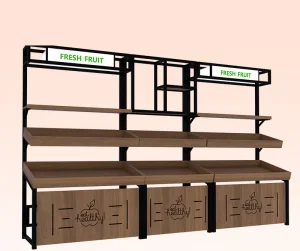
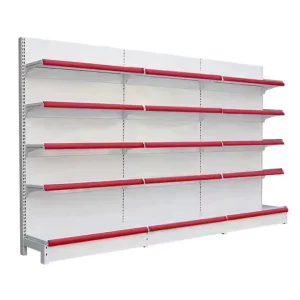
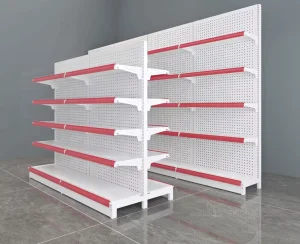
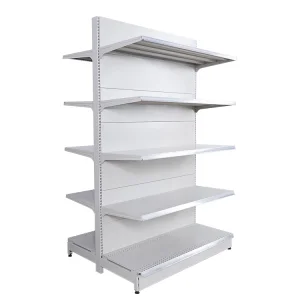
Retail displays require a balance of high volume capacity, safety, and aesthetic appeal. Our steel-wood supermarket cabinets and double-sided gondola shelf configurations provide durable, clean retail storage. They are engineered to load hundreds of kilograms per shelf level while presenting food, cosmetics, and dry goods clearly to consumers.
The warehouse storage industry is shifting toward cyber-physical systems. Over the next decade, steel racking will evolve from passive load-bearing structures into interactive, data-generating assets:
Smart Structural Monitoring (SSM): Integrating strain gauges into upright posts allows racking arrays to transmit real-time stress data to a central WMS. Forklift operators will receive immediate warnings if a pallet exceeds safety weights or if a column sustains damage, helping prevent structural failures.
Decarbonized Powder Formulations: We are transitioning our finishing processes to ultra-low VOC, bio-polymeric powder finishes that require lower curing temperatures. This shift reduces our natural gas usage and carbon footprint, helping global clients meet scope 3 carbon reduction targets.
Cooperative Shuttle Integration: Future racking designs will feature standardized runners and alignment tracks to support next-generation 3D-shuttles. These shuttles can move vertically and horizontally across racking profiles without needing crane intervention, improving picking speeds in high-density facilities.
Explore our full range of heavy-duty warehouse storage and commercial retail display shelving systems.
Explore answers to common questions about structural specifications, loading safety, global compliance standards, and custom racking projects.
RMI (Rack Manufacturers Institute) standards are the primary structural codes in North America, focusing on LRFD (Load and Resistance Factor Design) or ASD (Allowable Strength Design) calculations. FEM (Fédération Européenne de la Manutention) 10.2.02 codes apply in Europe, emphasizing specific limit-state design principles and safety factors. Designing for these codes changes upright punching profiles, thickness margins, and baseplate dimensions to ensure compliant structural safety and wind/seismic resistance.
We build our heavy-duty racking using high-strength structural carbon steel, primarily Q235B and Q355B. Q355B is selected for dynamic and structural members (such as high-reach uprights and load beams) due to its high yield strength (minimum 355 MPa) and low-temperature impact resistance. This structural integrity prevents warping under maximum load conditions.
Standard steels can become brittle at low temperatures. In cold storage facilities (down to -30°C), specialized steel grades and sub-zero powder coatings must be used. Additionally, high moisture levels require hot-dip galvanized finishes or epoxy-based barriers to prevent oxidation and maintain long-term capacity.
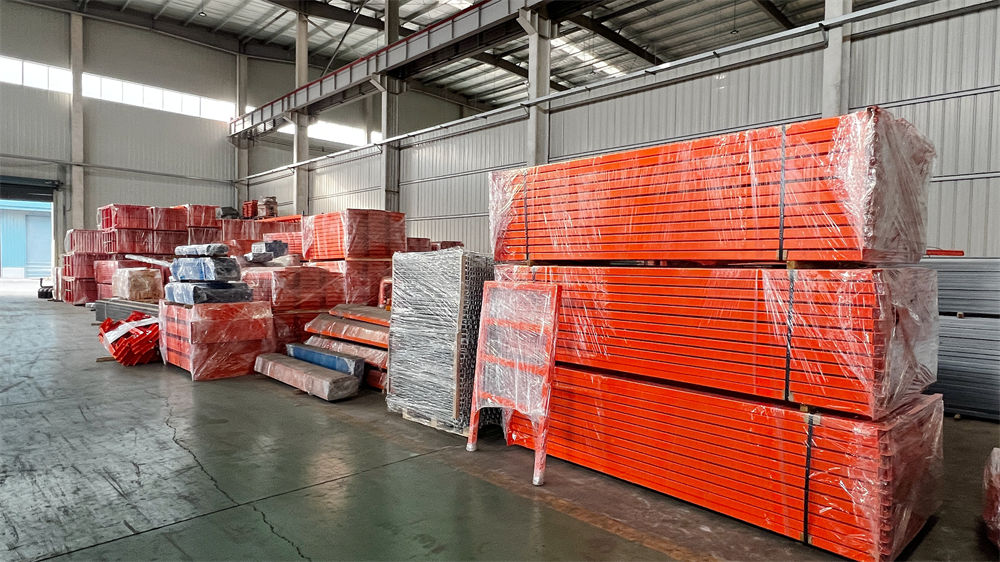
Standard custom fabrication projects average 20 to 30 days from final CAD drawing approval to port delivery. This timeline includes cold rolling, automated welding, multi-stage electrostatic painting, quality inspections, and export packing. Transit times vary depending on the destination port (e.g., North America, Europe, Australia, or the Middle East).
 Ciho Racks