Modern supply chain networks operate under unprecedented velocity parameters. The global logistics landscape faces multi-directional pressures: escalating urban land costs, unpredictable supply fluctuations, and the massive acceleration of multichannel fulfillment channels. In this environment, passive space allocation is obsolete. High-performance industrial storage solutions are now active mechanical elements engineered to maximize vertical volume, facilitate flawless material flow, and withstand heavy structural demands.
For procurement officers, warehouse directors, and supply chain developers, investing in racking infrastructures requires deep technical evaluation. A rack system must maintain absolute safety margins under continuous static and dynamic loading. It must also handle stresses from forklift operations and comply with local seismic zoning parameters. As a leading manufacturer of bulk storage systems, Nanjing Ciho Racks Co., Ltd. designs systems that balance structural engineering, space optimization, and capital value.
A single racking layout cannot meet all industrial demands. We design application-specific layouts matched to structural performance indicators and storage dynamics.
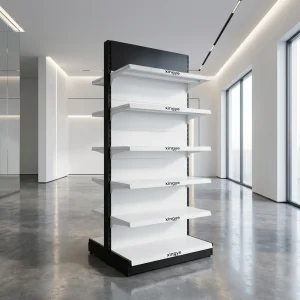
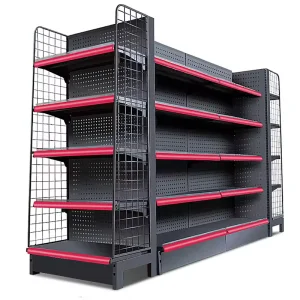
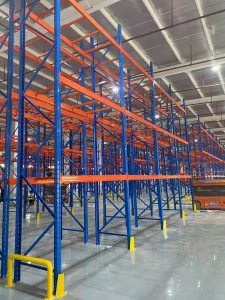
E-commerce hubs require systems engineered for rapid, high-frequency picking cycles.
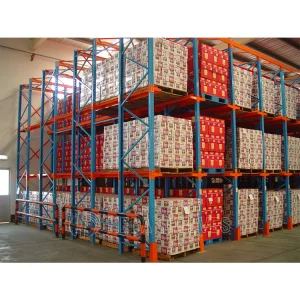
Designed for heavy dies, industrial machinery components, and bulk raw stock storage.
Structural integrity challenges in low-temperature environments (-30°C).
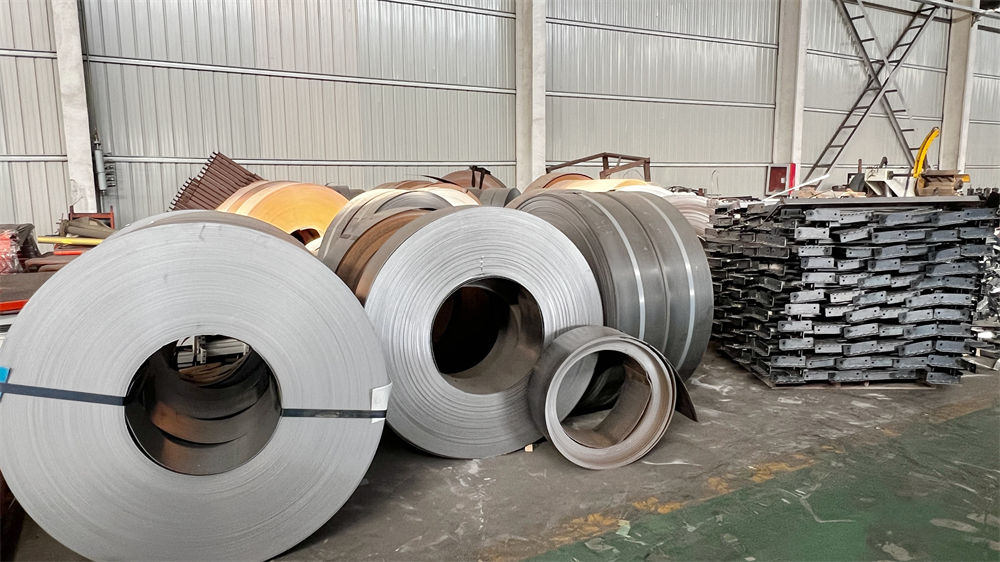
When procurement teams evaluate global racking factories, they must focus on raw material composition. Racking systems rely on structural steel grades that define yield and tensile strength. At Nanjing Ciho Racks, we source certified Q235B and Q345B steel grades.
Q235B, with a yield strength of 235 MPa, is suitable for standard pallet racking and medium-duty longspan configurations. For high-bay AS/RS systems and seismic zones, we utilize Q345B (low-alloy steel with a yield strength of 345 MPa). This grade provides higher structural capacity, reducing member profiles while ensuring safety margins under maximum load deflection limits.
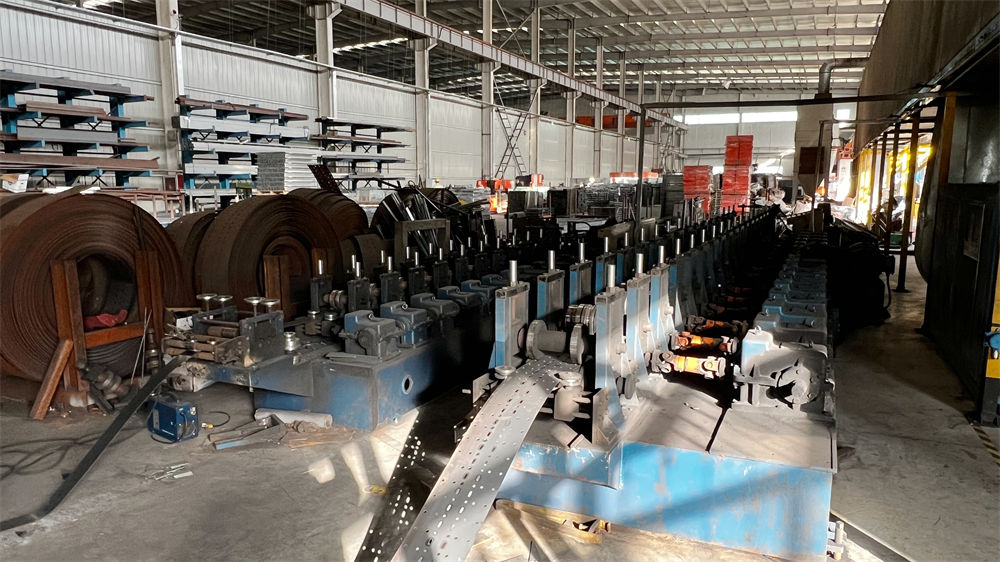
Cold-formed roll profiling requires strict tolerances to prevent torsional buckling. Continuous punching and forming lines shape structural coils into multi-bend upright columns. This design adds rigidity and load-bearing capacity along the compression path.
Industrial storage systems are evolving from static structures to dynamic, robot-ready platforms. Racking layouts must adjust to interface with Automated Guided Vehicles (AGVs), Autonomous Mobile Robots (AMRs), and high-speed pallet shuttles. Standard industrial tolerances allow some deflection, but robotic systems require strict dimensional accuracy.
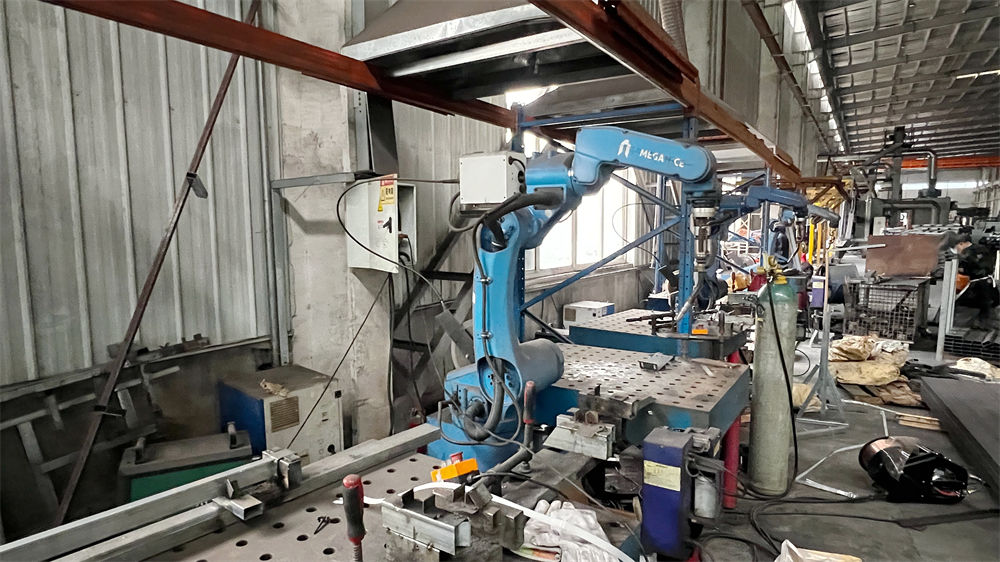
Nanjing Ciho Racks uses robotic welding and CNC roll-forming lines to achieve precise manufacturing tolerances. Vertical column pitch accuracy is held to within +/- 0.5mm. This degree of control prevents misalignment during pallet insertion by automated cranes or shuttles.
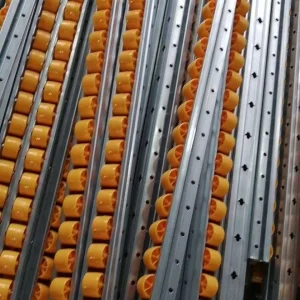
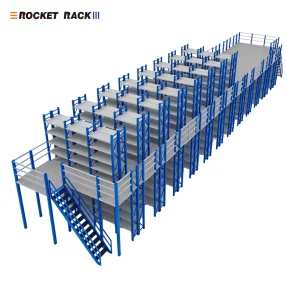
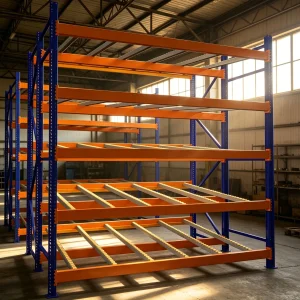
We design our heavy-duty platforms, dynamic gravity flow racks, and multi-tier mezzanines with integrated guide rail systems. We also add heavy-duty floor anchoring profiles and specialized sensor brackets to simplify integration with future automated warehousing equipment.
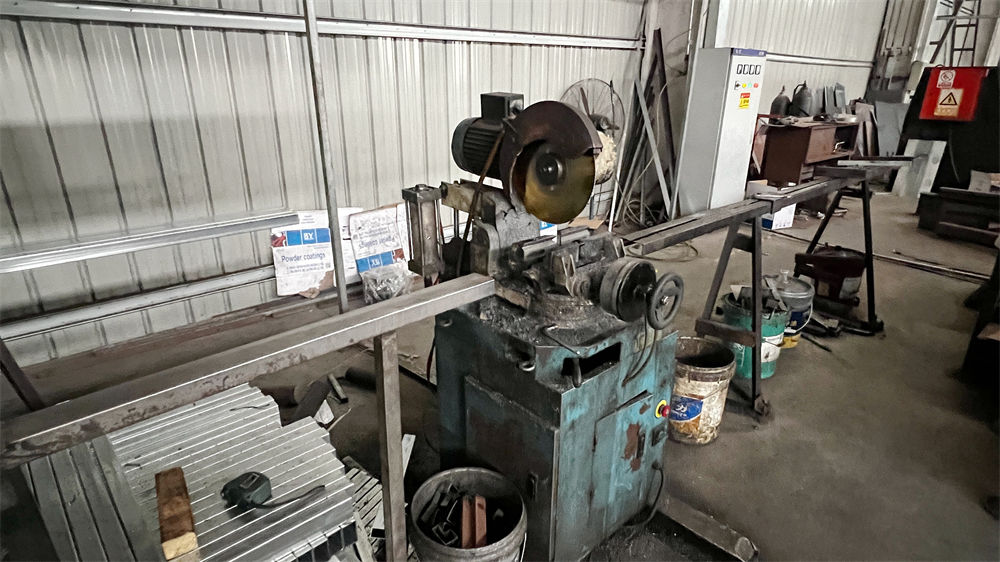
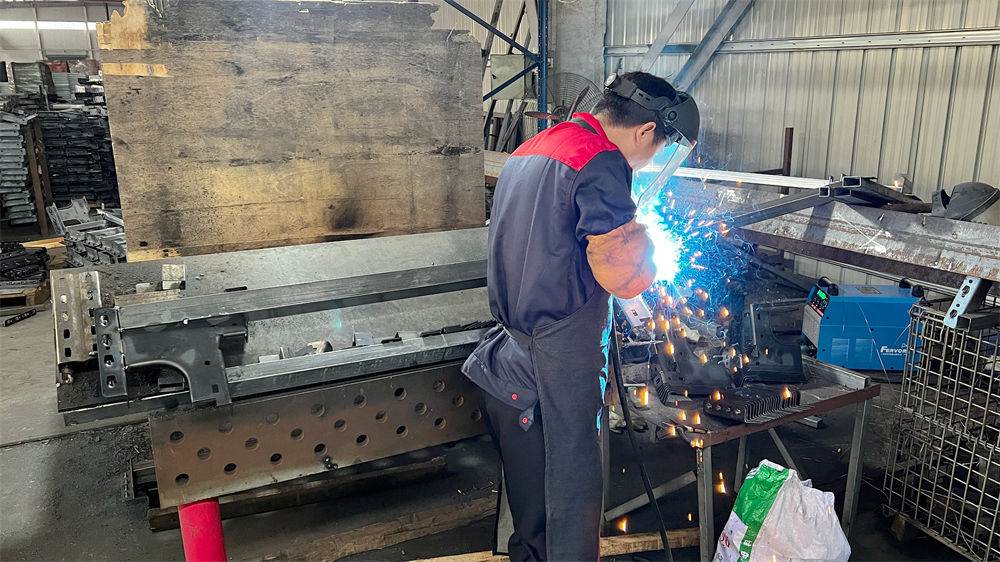
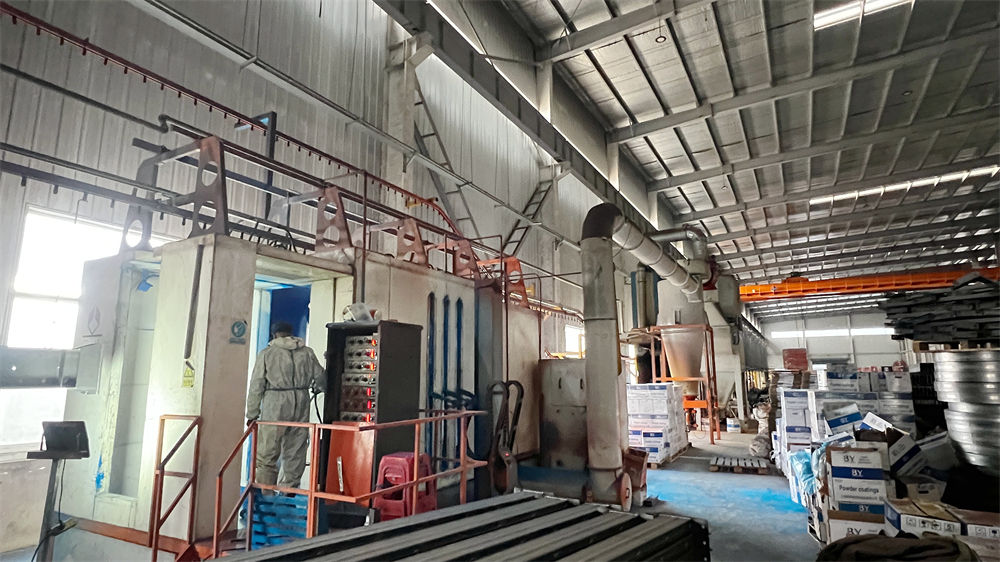
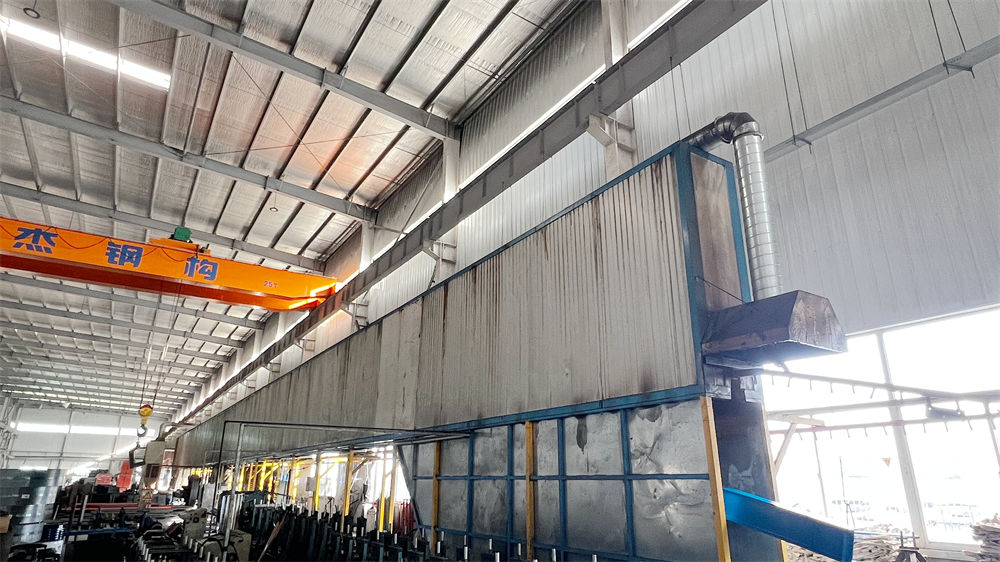
Our manufacturing facility coordinates roll-forming, robotic welding, and automated surface treatment. We monitor each step to deliver reliable racking components.
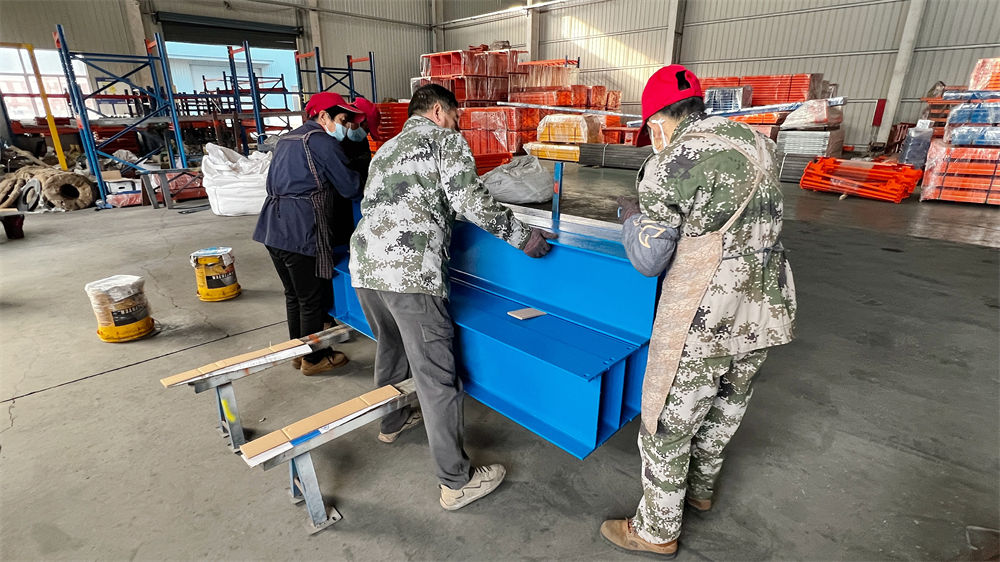
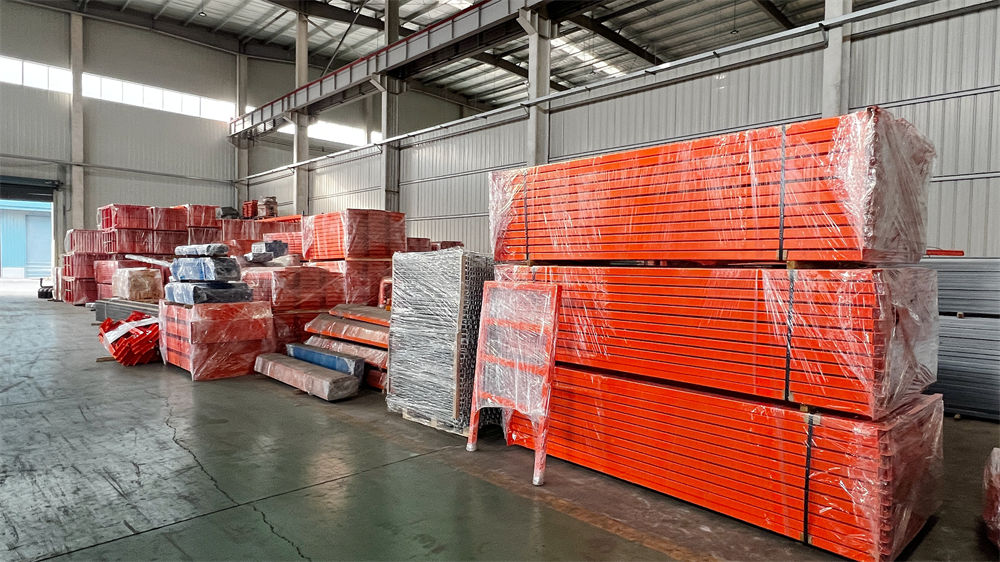
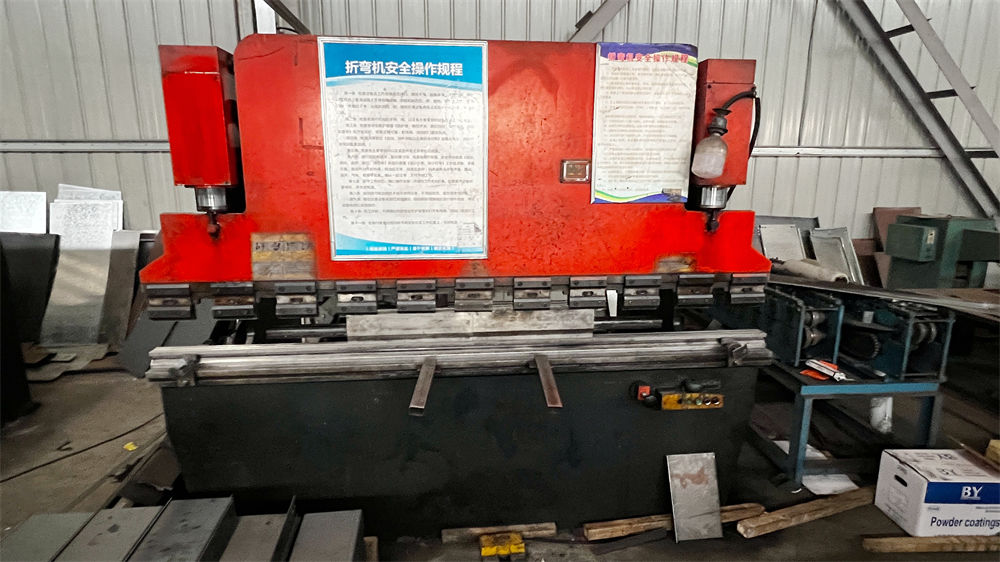
Global operations require compliance with local building codes, fire regulations, and structural engineering standards. A rack system that works in one region may fail safety requirements in another due to seismic design criteria or structural safety margins.
At Nanjing Ciho Racks, we design systems according to international testing criteria:
We perform structural engineering simulations (FEA modeling) for projects in seismic-active zones. These simulations evaluate node connections, baseplate thickness, and concrete anchor specifications. They help confirm the racking system's stability and safety under dynamic load events.
We are a manufacturer and supplier specializing in warehouse storage systems and industrial racking solutions. We provide efficient, durable, and cost-effective layouts for global operations.
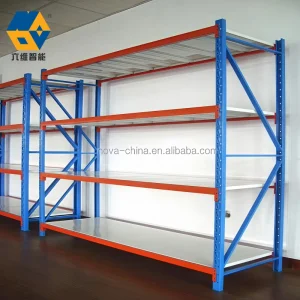
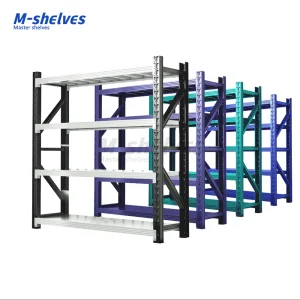
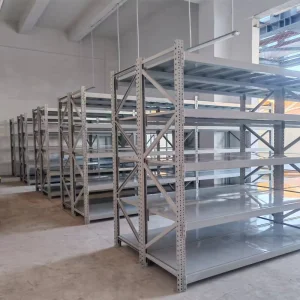
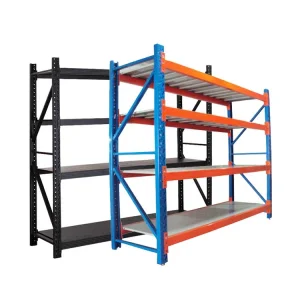
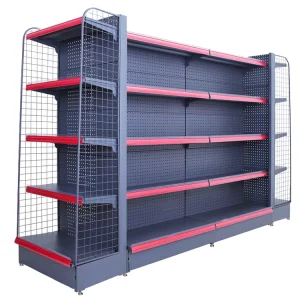
Our product catalog includes selective pallet racks, drive-in systems, cantilever racks, mezzanine flooring, longspan shelving, and customized warehouse racking layouts. We manufacture these products for logistics providers, manufacturing hubs, cold-storage sites, and retail distribution centers.
Our Mission: To optimize warehouse volume and improve logistics efficiency by manufacturing robust, compliant, and cost-competitive storage structures.
With years of experience in the material handling industry, our engineering teams collaborate with client operators. We help optimize layout space and material flow rates.
We verify our structural steel components using third-party testing services. This verifies our weld strength and coat adhesion before delivery.
Answers to common technical, structural, and procurement questions regarding industrial storage configurations.
Beam load capacity is determined through structural stress calculations, checking for bending moments, shear forces, and deflection limits. Racking designs generally follow the L/180 deflection limit under full load conditions. This means the deflection of a beam under its rated payload must not exceed its length divided by 180. For example, a 2700mm beam can deflect a maximum of 15mm under load. For systems using automated pickers or AGVs, this limit is often tightened to L/240 or L/360 to prevent misalignment.
Roll-formed steel components are produced by passing flat sheet steel coils through a series of rollers at room temperature. This forms the specific profile shape. This method is cost-effective, versatile, and suitable for standard pallet storage. Structural steel components are hot-rolled and have thicker profiles. This construction provides higher resistance to impact from forklifts and allows for greater static load limits. Structural steel is typically specified for high-bay installations, heavy-load configurations, and busy distribution environments.
Cold storage sites operating below freezing (-18°C to -30°C) require careful material selection. Low temperatures can make standard carbon steels brittle, increasing the risk of cracking under load. We use alloyed steels designed for low-temperature use, such as Q345D or specialized steels with impact testing at low temperatures. Racking components are finished with hot-dip galvanized coatings or specialized powder coats. These finishes resist condensation and frost during temperature cycles.
Forklift impacts are a common cause of racking system damage. We recommend safety accessories including steel upright column guards, row spacers, and corner barriers. We anchor structural safety barriers directly to the concrete floor instead of the rack frame. This isolates impact forces from the main storage structure. Backstop bars and safety mesh are also installed to prevent pallets from being pushed off the back of the racks.
In seismic-active zones, dynamic forces from earthquake activity must be calculated into the rack structure. Designers must check the connection between the uprights, baseplates, and concrete floor. We use oversized structural baseplates and dual concrete expansion anchors to distribute seismic loads. We also modify profile dimensions and add diagonal bracing to help the system withstand lateral forces.
Safety regulations require visual inspections of warehouse racks weekly or monthly, with a comprehensive structural audit conducted by a qualified engineer at least once a year. Inspectors check for column deflection, bent braces, loose floor anchors, misaligned beams, and damage to safety components. Damaged parts must be isolated and replaced immediately to prevent structural failures.
 Ciho Racks