Why are teardrop pallet racks so popular in retail warehouses? The answer begins with flexibility. Retail inventory changes constantly, from boxed appliances to seasonal clothing and fast-moving groceries. Teardrop uprights allow beams to connect quickly through a drop-in locking design. Workers can often adjust beam heights without complicated tools. That matters when a warehouse changes its product mix in a single week.
Warehouse management author Gwynne Richards has said, “Warehouse design must support the products, processes, and people using it.” This principle explains much of the rack’s appeal. Teardrop systems fit common pallet dimensions and support clear vertical storage. Their familiar connection style also makes replacement parts easier to source. In a busy facility, that can reduce disruption during repairs or expansion.
Safety still comes first. Always.
A practical warehouse manager may value another detail: teardrop racks are widely available in new and used markets. That availability can help retailers control project costs. However, popularity should not become an excuse for careless installation. Damaged frames, overloaded beams, poor anchoring, or mismatched components can create serious risks. Capacity labels and professional inspections remain essential.
There is no single rack design for every retailer. Narrow aisles, uneven floors, high ceilings, and frequent picking may change the decision. Yet the combination of adaptability, familiarity, availability, and efficient space use makes teardrop pallet racks a strong choice. Their simplicity is powerful, though perhaps not perfect. A thoughtful layout still matters more than the connector itself.
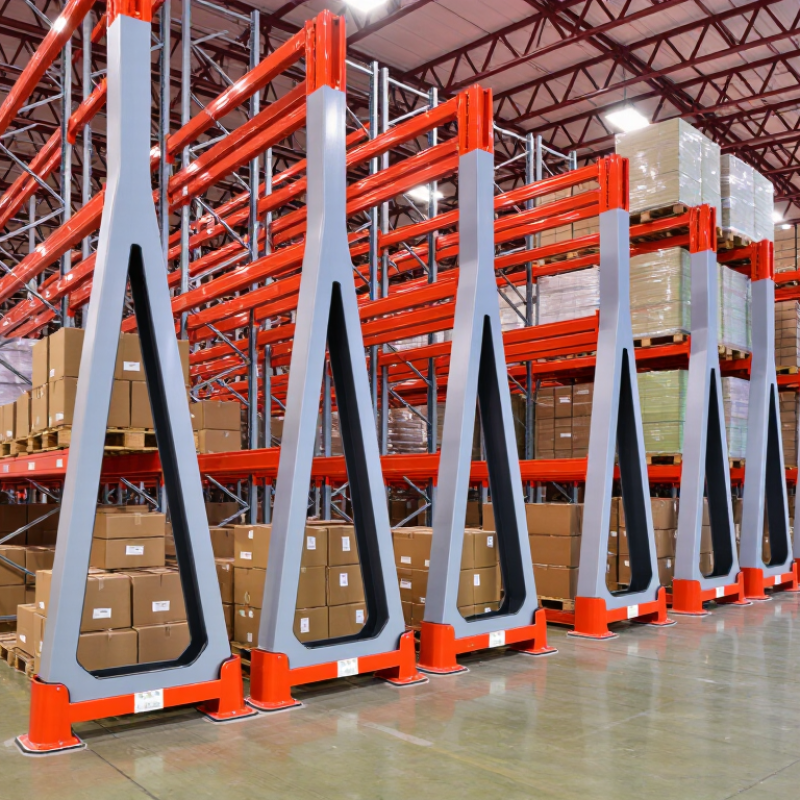
Teardrop pallet racks are a common selective storage system in retail warehouses. Their name comes from the teardrop-shaped holes punched into the upright frames. Horizontal beams use connector hooks that fit into these openings. Safety pins then help prevent accidental beam movement.
The structure is simple. Uprights carry vertical loads, while beams support pallet weight. Workers can adjust beam levels without drilling or welding. This helps warehouses handle mixed products, changing carton sizes, and seasonal inventory. Retail operations often need direct access to every pallet, rather than deep storage. Teardrop racks provide that access from each aisle. However, compatibility is not universal. Beam profiles, hole spacing, and load ratings must match. A “standard” rack can still be unsuitable.
According to the MHI 2024 Annual Industry Report, 55% of supply chain professionals planned to increase investment in innovation. Flexible storage supports that direction, but flexibility needs control. The Rack Manufacturers Institute’s ANSI MH16.1 standard emphasizes proper design, loading, and installation practices.
Tips: Measure pallet dimensions first. Check floor conditions. Label every beam level. Never estimate capacity by appearance. Use a qualified rack engineer for seismic or high-load applications. Inspect damaged uprights immediately. Small damage can spread. In practice, no layout is perfect; aisle width, forklift turning space, and picking speed still need review.
Teardrop pallet racks remain popular because their connection system is simple, adjustable, and familiar to warehouse crews. Each upright frame uses punched teardrop-shaped holes. Horizontal beams lock into these openings with welded connectors and safety pins. This design supports fast level changes without extensive tools. It also helps retailers respond to changing carton sizes and seasonal inventory.
Key components include upright frames, step beams, wire decking, baseplates, braces, and column protectors. Uprights carry vertical loads through the floor. Beams transfer pallet weight across each bay. Wire decks support loose cartons and improve visibility beneath stored goods. Column protectors reduce damage from handling equipment, although they cannot replace disciplined driving. The Rack Manufacturers Institute stresses capacity calculations, floor conditions, inspections, and visible load signage. A 2024 MHI Annual Industry Report also found that 55% of supply-chain professionals expected higher technology investment within two years. That trend makes adaptable rack layouts more valuable, but automation does not fix weak rack design.
Tips: Match beam capacity with pallet weight and bay width. Keep heavy pallets on lower levels. Inspect bent frames, missing pins, and displaced decking immediately. Leave proper aisle clearance for equipment. Teardrop racks are not perfect. Poor installation, uneven floors, or unrecorded modifications can undermine their stability. A practical inspection log often reveals problems earlier than annual planning meetings.
Retail warehouses choose teardrop pallet rack systems because daily work demands speed, flexibility, and predictable storage. The teardrop connection uses locking pins and punched upright frames. In practice, a beam can be adjusted without special tools. A supervisor can change three storage levels before the next receiving truck arrives. That matters when carton sizes change every season. The design also supports clear aisle planning and better vertical use, especially in facilities with limited floor space. Small details count. A visible safety pin helps workers confirm that each beam is seated correctly.
These racks are practical for retail operations that expand gradually. Teams can add beams, frames, or wire decking as inventory grows. Standardized components make replacement planning easier, but compatibility must be checked carefully. Not every beam fits every frame. Experienced warehouse managers inspect load tables, upright damage, floor conditions, and forklift clearance. They do not rely on appearance alone. A rack may look solid while carrying an unsuitable load. Clear labels and documented inspections improve everyday reliability. Keep products within rated capacity.
From an operator’s view, teardrop systems reduce training friction. New staff can understand the locking point quickly, and maintenance crews can spot missing hardware during routine walks. Still, the connection is not magic. Poor installation, uneven floors, or careless impacts can weaken performance. I have seen teams focus on fast assembly and overlook aisle protection. That shortcut saves minutes, not risk. A sensible layout balances storage density with safe picking space, lighting, and access. Good results depend on disciplined use.
Retail warehouses rarely keep the same product mix for long. Seasonal items arrive, carton sizes change, and fast-moving stock needs better positions. Teardrop pallet racks support this movement with adjustable beams. Workers can reposition levels without drilling or replacing the entire frame. That flexibility helps stores respond to weekly inventory changes.
A practical layout might hold bulk cartons on lower levels and reserve upper levels for slower stock. Beam spacing can match pallet height, reducing wasted air above each load. Wire decking improves visibility and provides a stable surface for smaller cartons. Clear aisle widths also help forklifts turn with fewer corrections. These details can improve picking speed and reduce unnecessary handling.
Teardrop connections are quick to assemble. That matters during warehouse expansion or a sudden seasonal rush. However, speed can create mistakes. A beam may look secure before its locking pin is fully engaged. Load signs, upright protection, and routine inspections remain essential. Damaged frames should not stay in service.
The system is not perfect. Fixed layouts may still limit unusual products. Heavy loads require accurate capacity checks. A thoughtful warehouse team measures pallets, aisle traffic, and future growth before installation. Small planning errors become expensive later. Regular reviews keep the storage arrangement useful as retail demands shift.
Why Are Teardrop Pallet Racks Popular in Retail Warehouses?
Teardrop pallet racks remain popular because their beam connections are quick to adjust. This helps retail warehouses handle changing carton sizes and seasonal inventory. The design also supports routine visual inspections. Check for bent uprights, loose anchors, damaged beams, and missing safety pins. Small defects can become expensive failures. The U.S. Bureau of Labor Statistics reported 4.8 recordable injury cases per 100 full-time workers in transportation and warehousing in 2023. That figure reinforces the need for disciplined storage practices.
Maintenance should follow a written inspection schedule, not memory. Keep aisles clear, protect rack legs, and replace damaged components with approved parts. Never straighten visibly damaged steel on site. ANSI MH16.1 provides engineering guidance for industrial steel storage racks, while OSHA 29 CFR 1910.176(b) requires stable and secure material storage. Local conditions still matter. A rack plan designed for cartons may fail when heavier promotional stock arrives. I have seen layouts look efficient on paper, yet create awkward turning points for forklifts.
Tips: Mark maximum beam loads at eye level. Record every impact and repair. Measure aisle width after installing guards. Review the plan before holiday inventory arrives. Leave room for human error. That part is often overlooked. Rack inspections should involve trained staff and qualified engineers when structural damage appears. Good planning is not permanent; retail demand changes faster than many warehouse drawings.
Teardrop pallet racks are widely used in retail warehouses because their beam-locking design supports fast installation, easy reconfiguration, and straightforward visual inspections. The chart shows common planning dimensions used when laying out retail pallet storage; actual requirements depend on load ratings, equipment, building codes, and site conditions.
Planning note: A 48 × 40 inch pallet is a common retail pallet footprint. Rack bays around 96 inches wide, frames approximately 42 inches deep, and aisles near 120 inches are frequently used starting points for conventional forklift layouts. Rack capacity, aisle clearance, anchoring, inspections, and damage controls must be verified by a qualified rack designer or engineer.
Main parts include upright frames, beams, wire decking, baseplates, braces, and column protectors. Uprights carry vertical loads, while beams support pallets across each bay.
Uprights contain punched teardrop-shaped holes. Welded beam connectors fit into these openings and lock with safety pins. The level can change without extensive tools.
Retail inventory changes often. Adjustable beams accommodate seasonal cartons, different pallet heights, and growing stock. A supervisor can reposition several levels before another truck arrives.
Yes, when beam spacing matches pallet height. Lower levels can hold heavier cartons, while upper levels can store slower-moving goods. This reduces wasted vertical space.
Wire decking supports loose cartons and smaller packages. It also improves visibility beneath stored goods. Small items are less likely to fall through open spaces.
Check for bent frames, missing safety pins, displaced decking, and damaged braces. Confirm that aisles remain clear for handling equipment. Record findings in an inspection log.
No system is automatically safe. Uneven floors, poor assembly, overloaded beams, and equipment impacts can weaken performance. A rack may look solid but still carry an unsuitable load.
Match beam capacity with pallet weight and bay width. Keep heavier pallets on lower levels. Use visible load signs, and never rely on appearance alone.
Not always. Fixed frames may restrict unusually shaped products or crowded traffic areas. Measure pallets, aisle movement, lighting, and future growth before installation.
Teams may prioritize fast assembly and overlook aisle protection. That shortcut saves minutes, not risk. Recheck locking pins, floor conditions, and equipment clearance.
Teardrop pallet racks are a practical storage solution designed with upright frames, horizontal beams, locking connectors, and adjustable shelf levels. Their distinctive teardrop-shaped connection holes allow beams to be installed or repositioned quickly, while the structural design provides stable support for palletized goods. This makes the system suitable for retail warehouses that must manage changing product volumes, package sizes, and seasonal inventory.
The reason why are teardrop pallet racks so popular in retail warehouses is their balance of flexibility, efficiency, and usability. Adjustable levels help businesses maximize vertical space, improve product organization, and support faster picking and replenishment. The racks can also be expanded or reconfigured as storage needs change. For safe operation, warehouses should select suitable load capacities, secure every beam connection, inspect components regularly, and keep aisles clear. Careful layout planning is equally important to maintain smooth traffic flow, visibility, and reliable access to stored goods.

Ciho Racks