Warehouse rack collapse is a critical issue in the logistics industry. According to James Carter, a leading expert in warehouse safety, “Over 70% of collapses are preventable with proper training and maintenance.” This statement highlights the importance of understanding why do warehouse racks collapse and how to prevent it.
Many factors contribute to rack failures. These include overloading, improper installation, and lack of regular inspections. Each of these factors can lead to devastating consequences, including injuries and financial losses. Warehouse managers must address these risks proactively.
Moreover, awareness is sometimes lacking. Employees may not recognize the signs of potential failures. Regular training and reinforcement of safety protocols can make a significant difference. Investing in quality equipment and conducting routine audits are essential actions. By focusing on prevention, warehouses can create a safer environment, reducing the likelihood of catastrophic failures.
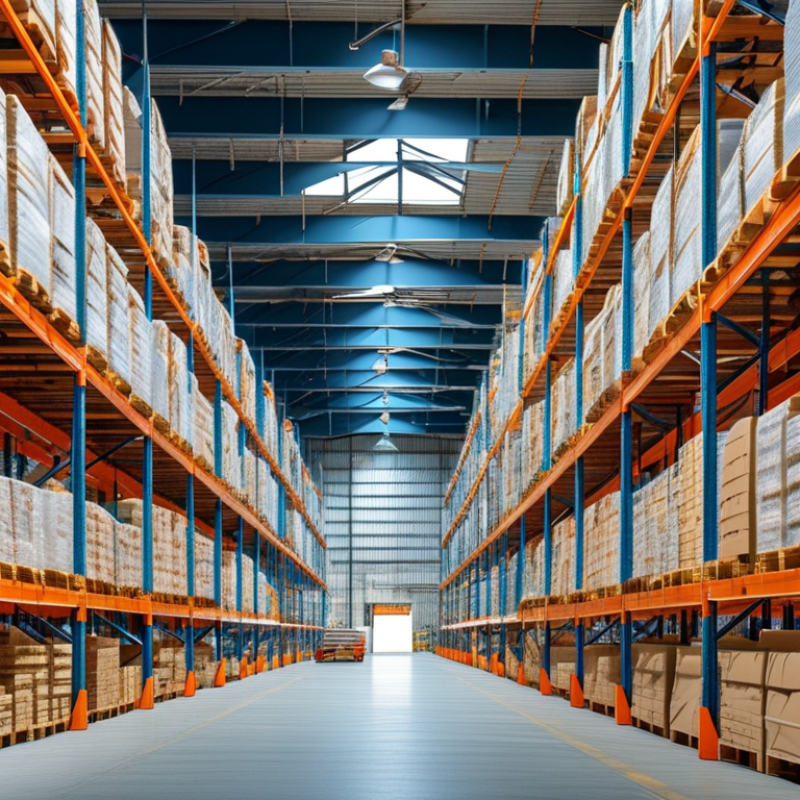
Warehouse rack collapses can lead to significant damage, injuries, and financial losses. Understanding the causes of these collapses is crucial for prevention. Common factors include overloading, poor installation, and lack of maintenance.
Overloading racks is a frequent mistake. Many facilities do not follow proper weight guidelines. This can result in instability. Even small excesses can lead to failure. Poor installation also significantly contributes. Uneven surfaces or incorrectly secured racks can create unsafe conditions. Regular inspections can help identify these installation issues.
Tip: Conduct routine weight audits. Ensure that all products are correctly labeled with weight limits.
Additionally, insufficient training for warehouse staff can lead to careless handling of items. Forklift operators may not observe safe practices. This can lead to sudden impacts that compromise rack integrity. Emphasizing safety culture helps combat this risk.
Tip: Implement comprehensive training programs for employees. Use visual aids and frequent reminders about safety procedures.
Regular maintenance cannot be overlooked. Neglecting to assess the condition of racking systems can lead to undiscovered damage over time. Small cracks or bends can develop into major failures. Investing time in maintenance can save money in the long run.
Tip: Schedule monthly maintenance checks. Look for any signs of wear and tear.
: Overloading can lead to deformation or collapse of warehouse racks. Almost 70% of rack failures are due to this.
Daily inspections are recommended to catch potential issues early. However, only 30% of warehouses conduct thorough checks.
Uneven loading can exacerbate instability, leading to tipping or failure within months. This creates serious safety concerns.
Regular monitoring of load limits and patterns can help. Awareness of capacities can mitigate risks associated with overloading.
Incorrectly assembled racks pose a risk of catastrophic failures. Each component must be installed securely following guidelines.
Regular checks for wear and tear are vital. Identify signs of stress and create a maintenance checklist.
Training employees on load limits is crucial. Many overloading incidents occur due to a lack of understanding of safety protocols.
Facilities should assess if inspections are thorough. Gathering feedback can highlight areas needing improvement for safety practices.
Neglecting maintenance leads to dangerous situations, such as rack failures. Regular checks can prevent severe incidents.
Keeping safety as a main focus, training staff, and ensuring thorough inspections can protect both employees and inventory.
Understanding "why do warehouse racks collapse and how to prevent it" is crucial for maintaining a safe storage environment. Various factors contribute to warehouse rack collapses, including improper loading practices, which can significantly weaken rack stability. Overloading racks beyond their designed capacity leads to increased risk of failure, highlighting the need for adherence to weight limits.
In addition to loading concerns, proper installation and regular maintenance are key to ensuring the structural integrity of warehouse racks. Environmental factors, such as temperature fluctuations and humidity, can also impact rack safety. Implementing robust safety protocols, such as regular inspections and employee training, is essential in preventing rack failures and promoting a culture of safety within the warehouse.

 Ciho Racks