In today's competitive market, maximizing floor space is crucial for efficiency and productivity. Businesses often grapple with limited storage options. High density racking solutions provide an effective answer for many challenges. Learning how to maximize floor space using high density racking can significantly enhance operations.
These systems increase storage capacity while minimizing the footprint. They use vertical space effectively, allowing for more goods to be stored in a smaller area. However, implementing these solutions can present some challenges. Companies must consider whether the system fits their unique needs and layout. It's essential to evaluate the types of products being stored.
A one-size-fits-all approach might not work for every organization. When exploring high density options, adjustments may be necessary. Reflecting on past experiences with storage solutions can lead to better decision-making. By focusing on proper design and layout, businesses can achieve optimized space utilization and increased efficiency.
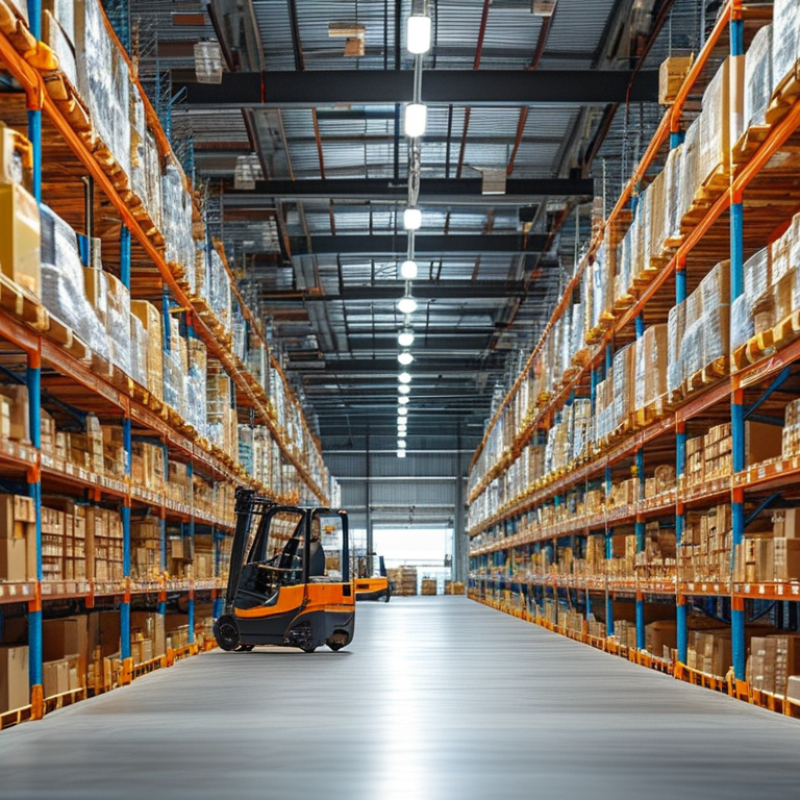
High density racking solutions are designed to optimize storage efficiency. They maximize floor space by stacking products vertically. This approach can significantly increase the storage capacity of warehouses. It is essential for businesses looking to make the most of limited space. Traditional racking systems often leave gaps. High density options eliminate this waste, providing a smarter layout.
One popular method is the use of mobile shelving. This option allows for aisles to move, creating more storage space when needed. This flexibility can help accommodate seasonal inventory changes. However, careful planning is crucial. Misjudging the space requirements can lead to overcrowding. Another common solution is pallet racking. This system enables pallets to be stored closely together. It’s efficient but may require regular reorganization. Remember, balancing accessibility and space is vital.
Implementing high density racking involves trade-offs. While it enhances storage, it can complicate picking processes. Employees may find it harder to access products. Therefore, understanding the layout and flow of the warehouse is important. Overlooking this can hinder overall productivity. Every warehouse is unique, necessitating tailored solutions to achieve optimal results.
High density racking solutions can significantly enhance floor space utilization compared to standard racking systems. This chart illustrates the difference in percentage of floor space utilized, showing a clear advantage of high density solutions in maximizing available space.
High density racking systems are essential for maximizing floor space in warehouses. They enhance storage capability while optimizing the use of vertical space. According to industry reports, businesses can increase storage density by 50% or more. This significant improvement can lead to reduced operational costs, allowing companies to store more products within the same footprint.
There are various types of high density racking systems. Drive-in racks allow for multiple pallets to be stored deep within a single lane. This setup is efficient, yet it requires careful inventory management. Another option is the push-back racking system, which uses a series of carts. This allows for easier access to products while maintaining high density. A study showed that optimizing these systems could reduce picking times by up to 30%.
Each system has drawbacks that warrant consideration. For instance, flexibility may be limited with drive-in racks, as first-in, last-out inventory management can be complicated. Additionally, safety measures must be prioritized to prevent accidents. Knowing the limitations and benefits of each racking type is crucial for effective space management and operational success.
Choosing the right high density racking solutions is critical for optimizing floor space. Experts suggest that implementing such systems can increase storage capacity by 30% to 50%. This means more products in less space, leading to better inventory management. However, making a choice involves several key factors.
First, consider your inventory type and turnover rate. High density racking can enhance efficiency for fast-moving items but may not suit slow-moving goods. Assess the weight and size of your items too. A 2019 report from the Warehousing Association states that improper racking for heavy items could lead to structural failure. Evaluate the warehouse layout as well. Narrow aisles might require specialized equipment.
Lastly, ensure your staff is trained to handle these systems safely. The same report emphasized that 40% of warehouse accidents arose from inadequate training. Balancing efficiency and safety is essential. An ideal racking solution should reflect a deep understanding of your unique operational needs. Being aware of these considerations can help you maximize your storage potential effectively.
Implementing high density racking solutions in warehouses can dramatically optimize floor space. This approach allows for increased storage capacity within a smaller footprint. One effective method is to analyze the types of products stored. Categorizing items based on their size and turnover rate can help in designing a tailored racking system.
Consider the layout of the warehouse. Aisles that are too narrow can hinder mobility. Proper width is essential. Employees often encounter challenges when navigating between racks. Accessibility also plays a vital role in efficiency. Investing in advanced racking systems may require significant upfront costs. However, the long-term benefits often outweigh these initial expenses.
Training staff on the new system is critical. Regular updates and ongoing education can enhance user experience. Implementation may face resistance as workers adapt to changes. Feedback loops can identify concerns early. Listening to employees can lead to improvements in the system. Optimizing high density racking is not a one-time effort. Continuous evaluation is vital to ensure efficiency and safety.
High density racking solutions can significantly improve storage efficiency. According to the Material Handling Industry, these systems can increase storage capacity by 80%. This means that businesses often need fewer square feet to store the same amount of products. The return on investment (ROI) for implementing such systems can be substantial. Companies may experience operational savings by reducing labor costs and utilizing space more effectively.
However, it’s essential to consider the initial investment. High density racking systems can be more expensive to install than traditional shelving. Therefore, a thorough cost analysis is crucial. Some reports suggest that companies may recoup their investments in just one to three years, depending on usage. Feedback from various warehouses indicates mixed experiences. While some see immediate benefits, others face challenges in adapting their workflow to new systems.
Nonetheless, many warehouses achieve better inventory management through increased visibility. A study from the Warehousing Education and Research Council highlights that 72% of companies reported improved order accuracy after switching to high density systems. But it's also important to recognize that these systems require proper training. Inadequate training can lead to inefficiencies and even accidents. Balancing investment with training and adaptation is key to maximizing these sophisticated storage solutions.
: It optimizes floor space, increasing storage capacity by 30% to 50%.
Fast-moving items benefit from high density racking, while slow-moving items may not.
Heavy items on unsuitable racks can cause structural failure.
Narrow aisles can hinder mobility and require specialized equipment.
Inadequate training contributes to 40% of warehouse accidents.
Analyze product types and categorize based on size and turnover rate.
Though costly, long-term benefits often surpass initial expenses.
Establish feedback loops to identify concerns and listen to employees.
It helps maintain efficiency and safety over time.
No, it requires ongoing effort and evaluation for improvement.
High density racking solutions are pivotal for businesses seeking to maximize floor space in warehouses and storage facilities. By understanding the various types of high density racking systems, such as pallet racking, mobile shelving, and push-back racking, organizations can effectively increase storage efficiency while minimizing the footprint. Key factors to consider when choosing these systems include space availability, load capacity, and retrieval efficiency, ensuring that the selected solution aligns with operational needs.
Implementing best practices, such as proper layout design and regular maintenance, is essential for optimizing the benefits of high density racking. Additionally, evaluating the return on investment (ROI) of these systems can provide valuable insights into their long-term advantages. Ultimately, organizations can significantly enhance their storage capabilities by learning how to maximize floor space using high density racking solutions, leading to improved productivity and cost savings.

Ciho Racks