What is the lifespan of heavy duty industrial racking? There is no single number. A well-designed system, correctly installed and used within its rated capacity, can serve for decades. Yet age alone cannot prove that a rack is safe. A forklift strike, repeated overloading, corrosion, or a loose anchor can change its condition quickly. One bent upright near a loading bay deserves attention, even when the rest of the aisle looks sound.
The Rack Manufacturers Institute (RMI) is a recognized industry authority on storage-rack safety. As a practical summary of its guidance—not a verbatim quotation—the core message is: “Inspect racks regularly, and address damage before it compromises the system.” That principle matters more than a simple age estimate. Inspections should look for leaning frames, cracked welds, displaced beams, missing locking clips, and anchors pulling from the floor. Keep records, too. A dated photo can reveal gradual damage that a quick walk-through misses.
The lifespan also depends on the real working environment. Heavy pallets, uneven loading, moisture, temperature changes, and daily traffic all affect wear. Maintenance helps, but it cannot restore a severely damaged component by guesswork. When a defect appears, restrict access as appropriate and have a qualified rack professional assess it. Small details matter. A rack may look sturdy and still need repair. This guide explains the factors that shape service life, the warning signs to watch for, and how inspection and maintenance can support safer, longer use.
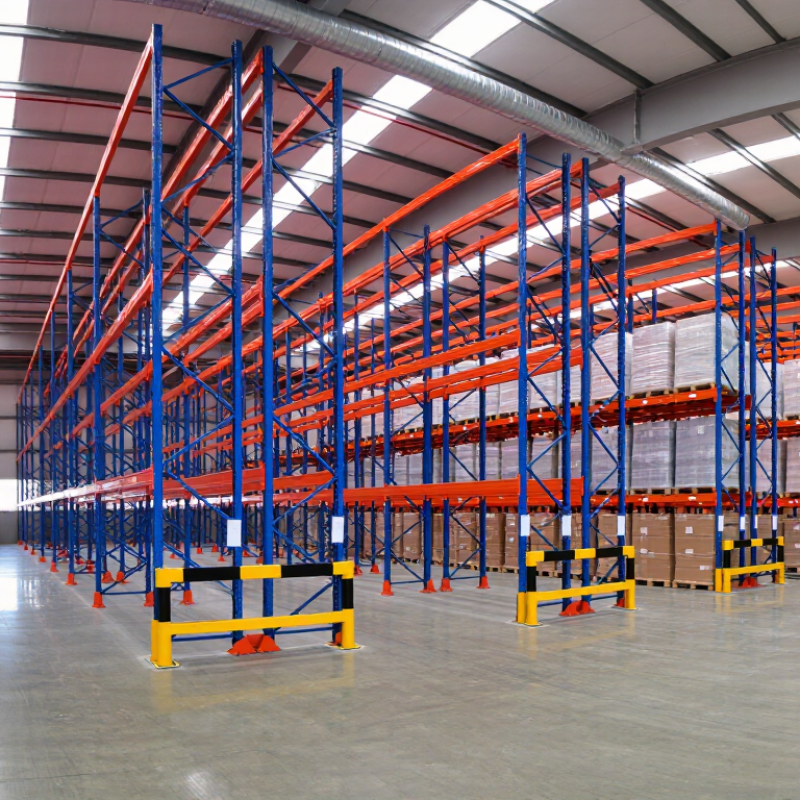
Heavy-duty industrial racking has no universal expiry date. A practical planning estimate is often 10–20 years, but that is not a guaranteed service life or a figure set by an industry-wide standard. The Rack Manufacturers Institute’s ANSI MH16.1 standard specifies design and safety requirements for steel storage racks; it does not assign them a fixed lifespan. Actual service depends on load levels, impacts, corrosion, installation quality, and maintenance. A dry warehouse with consistent loads may keep racks in service for decades. A damp loading bay with frequent forklift contact can shorten that period sharply.
Condition matters more than the calendar. SEMA guidance calls for a formal inspection by a technically competent person at least annually, alongside regular in-house checks. Look closely at upright bases, beam connectors, anchors, and areas with chipped paint or rust. Small bends can be easy to miss. That range can be wrong. A rack that is only eight years old may need repair or replacement after repeated impacts; an older rack may remain serviceable if inspections confirm its condition and capacity. Keep inspection records, note changes in loading, and reassess after any collision. The rack’s age alone is weak evidence.
Typical estimates for indoor systems in suitable conditions. Actual service life depends on design, loading, environment, inspections, and maintenance; these ranges are not guarantees.
| Racking component | Typical service-life estimate | Factors that affect lifespan | Inspection or replacement considerations |
|---|---|---|---|
| Upright frames | About 20–30 years | Forklift impacts, corrosion, overloading, floor condition, and installation quality | Assess promptly after impact; remove damaged components from service until evaluated. |
| Load beams and connectors | About 15–25 years | Repeated loading, impact damage, connector wear, and use beyond rated capacity | Check for bending, cracks, loose connections, and dislodged safety locks. |
| Wire decking or shelf panels | About 10–20 years | Load distribution, corrosion, abrasion, and frequent handling | Replace panels with broken welds, severe deformation, or weakened supports. |
| Floor anchors and base plates | About 15–25 years, subject to inspection | Concrete condition, vibration, corrosion, and movement of the rack | Check for loose or missing anchors, cracked concrete, and displaced base plates. |
| Protective guards and end-of-aisle barriers | About 5–10 years | Frequency and force of vehicle impacts, installation, and exposure to moisture | Repair or replace when guards are loose, displaced, or no longer provide effective protection. |
Key point: Heavy-duty industrial racking has no single fixed expiration date. Regular inspections, adherence to rated load limits, prompt repair of damage, and suitable environmental protection can help extend safe service life.
There is no dependable fixed lifespan. Service life depends on loads, impacts, installation, and maintenance. Age alone can mislead.
Frequent loading and unloading increase collision risks. Forklift bumps can bend uprights or loosen connections. Small knocks matter.
Yes. A bent upright or damaged base plate may affect how loads move through the frame. Have visible damage assessed.
Check uprights, beams, bracing, anchors, and load signs. Look closely at busy aisles and rack feet. Keep clear records.
Loads placed unevenly can strain beams and connectors. Follow the rack’s posted load information, and review changes in use.
Moisture can promote corrosion, especially near scratched coatings and floor-level uprights. Dust and temperature swings may also affect components.
Not necessarily. A faded coating alone may not show structural damage. Still, inspect scratches and nearby steel carefully.
Stop using visibly damaged sections until a qualified person assesses them. I may be overly cautious, but guessing from a quick glance seems unwise.
What is the lifespan of heavy duty industrial racking depends on how it is designed, installed, used, and maintained. Well-built racking can provide many years of service, but there is no single lifespan that applies to every facility. Load levels, impact from equipment, frequent changes to rack configuration, and exposure to moisture, temperature extremes, or corrosive conditions can all affect how quickly components wear or become damaged.
Regular inspections and timely maintenance help extend service life and protect workers and stored goods. Check frames, beams, connections, and anchors for bending, cracks, looseness, corrosion, or other signs of damage, and keep loads within the system’s rated capacity. Any damaged section should be assessed by a qualified professional and repaired or replaced as appropriate. Persistent deformation, unstable connections, or recurring damage may indicate that the racking is no longer suitable for continued use.

 Ciho Racks