How to Arrange Supermarket Display Racks to Boost Sales?

Time:2026-07-09 Author:Charlotte
0%

Effective supermarket display rack arrangement is crucial for enhancing sales. Understanding how to arrange supermarket display racks to increase sales can transform the shopping experience. Customers are drawn to strategic placements, colorful arrangements, and accessible layouts. These elements not only attract attention but also encourage impulse buys.

Consider the flow of the store. Ideal arrangements guide customers seamlessly from one section to another. Keep in mind that cluttered displays can confuse shoppers. A well-organized rack invites exploration. Highlight promotional items to maximize visibility. This method creates urgency and entices customers to purchase.

However, experimenting with different arrangements is essential. Regularly reassess the effectiveness of your displays. This flexibility can lead to unexpected insights and improvements. Retailers should prioritize understanding their unique audience. Feedback from customers can reveal what works and what doesn’t, allowing for continuous growth in sales strategies.
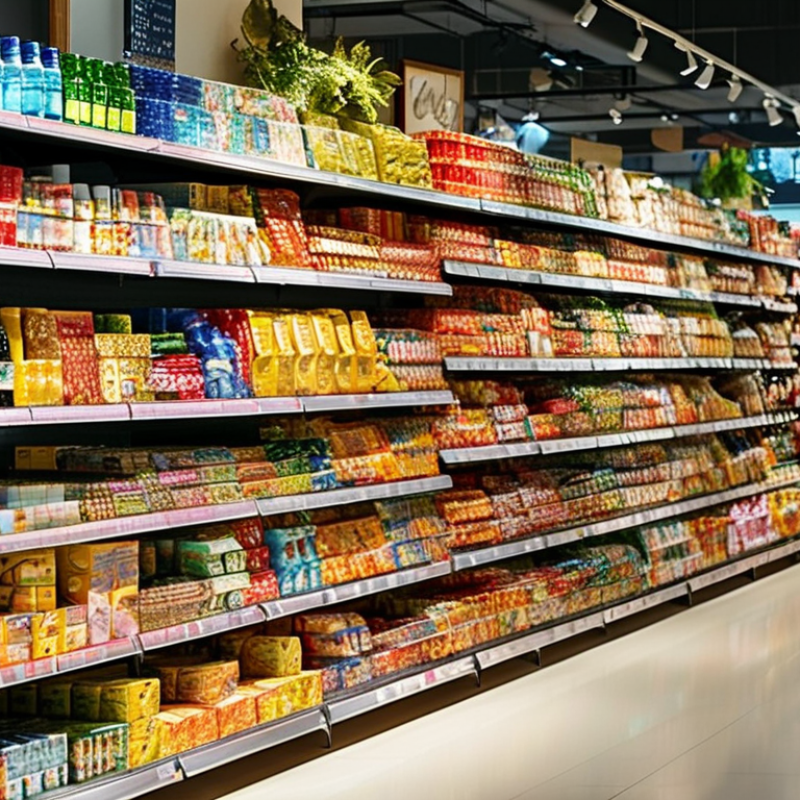
How to Arrange Supermarket Display Racks to Boost Sales?

Understanding the Importance of Supermarket Display Racks in Sales

Supermarket display racks play a crucial role in sales. They not only showcase products but also influence customer behavior. A well-arranged rack grabs attention and encourages impulse purchases. For instance, fruits and vegetables placed near the entrance create a fresh atmosphere. This can lead to increased foot traffic.

The design of the racks matters significantly. Strategic placement of high-margin items at eye level can boost sales. However, overcrowded racks may overwhelm shoppers. Less is often more. Leave some space to direct focus to key products. Utilize signage effectively to guide purchasers.

Observation is essential. Monitor which displays attract customers and which do not. You might notice some racks get ignored. Reflect on improvements to keep your layout dynamic. Regularly updating the arrangement can keep the shopping experience fresh and engaging.

Analyzing Customer Behavior and Traffic Flow in Supermarkets

In the realm of supermarket design, understanding customer behavior is vital. Research shows that nearly 70% of grocery store purchases are unplanned. This insight emphasizes the importance of strategically placed display racks. A well-placed end-cap can increase sales by up to 30%. This highlights the effectiveness of utilizing traffic flow to your advantage.

Analyzing foot traffic helps pinpoint high-traffic areas. Studies indicate that shoppers tend to linger in zones where they encounter promotions or new products. For example, products placed near the checkout counters can capture impulse buys. However, the positioning should be dynamic. Rigid displays can lead to a monotonous shopping experience, causing customers to disengage.

Creating a pathway that encourages exploration is key. Using wider aisles and clear sightlines can keep customers moving rather than feeling cramped. The average customer spends only about 41 minutes in-store; hence, a sense of urgency is essential. Ultimately, the goal is to intrigue customers while maintaining efficient traffic flow. Balancing the two can be challenging but significantly impacts sales outcomes.

Effective Strategies for Organizing and Positioning Display Racks

Effective strategies for organizing and positioning display racks can significantly enhance the in-store shopping experience. Start by placing high-demand products at eye level. Customers are naturally drawn to items that are easy to see and reach. This simple tactic can lead to increased sales. It’s also wise to create themed sections. For instance, seasonal items or complementary products can encourage additional purchases.

Consider the flow of your store. Racks should not obstruct pathways. A clear, inviting layout allows shoppers to browse comfortably. Use signage wisely. Clear, attractive labels can help customers find what they need, but too much text can overwhelm. Regularly assess your display setups. What works today may not work next month. Experimenting with different arrangements can yield surprising insights.

Involve your staff in brainstorming sessions about display ideas. Their firsthand experience can lead to innovative solutions. Monitor customer behavior. Are certain areas more popular? Analyze how products are grouped. Adjust accordingly. Not every display will drive sales, and that’s okay. Reflect on what didn’t work. This information is invaluable for future strategies. Make it a routine to revisit and revise your display tactics.

Incorporating Visual Merchandising Techniques for Enhanced Appeal

Visual merchandising transforms supermarket display racks into dynamic sales tools. The arrangement of products affects consumer behavior. Highlight key items in the middle of eye level. Shoppers are naturally drawn to products placed there. Use contrasting colors to make these items pop. For example, bright packaging against neutral backgrounds grabs attention.

Plan your displays with themes in mind. Seasonal items can create a narrative within aisles. Utilize props, like small signs or backdrops, related to the season. However, be cautious. Over-cluttering displays can confuse shoppers. Simplicity often leads to better focus. Keep it organized but engaging.

Regularly assess the impact of your displays. Customer feedback can vary. What works for one season may not translate to another. Observe traffic flow and adjust placements accordingly. Aim for a balance between aesthetics and practical shopping experience. Not all designs will yield immediate results. Testing and refining are key to effective merchandising.

Measuring Success: Evaluating the Impact of Display Arrangement on Sales

Arranging supermarket display racks effectively is vital for boosting sales. To evaluate the arrangement’s impact, consider customer flow and product visibility. Customers often gravitate towards end caps. Placing popular items there can elevate sales. Ensure that products are easy to reach. Height matters. Items at eye level tend to sell more. However, overcrowding can confuse shoppers. Balance is key.

Track sales data before and after rearranging. Look for patterns. Did specific products see an increase? This insight reveals what works. Customer feedback is equally important. Conduct surveys or observe shopping behavior. Are customers engaged with the display? Adjusting product placement based on real-time feedback can lead to better results.

Sometimes, displays may fail to attract attention. This might stem from poor lighting or a cluttered space. Analyze these areas for improvement. Failure to experiment can lead to stagnation in sales. Continuous evaluation of display strategy is crucial in a competitive market. Aim to innovate and adapt to evolving consumer preferences.

FAQS

: What is visual merchandising?

: Visual merchandising involves arranging products to enhance appeal and influence consumer behavior.

Where should key items be placed in displays?

Key items should be positioned at eye level for maximum visibility and attraction.

How can contrasting colors be used effectively?

Use bright packaging against neutral backgrounds to draw attention and make products stand out.

What role do themes play in displays?

Themes create a narrative and engage shoppers, especially with seasonal items.

How important is simplicity in displays?

Simplicity helps avoid confusion. Over-cluttering can distract shoppers from the main products.

How can customer feedback be utilized?

Gather feedback to assess what works. Adjust displays based on customer preferences and behaviors.

What factors should be evaluated after rearranging displays?

Check customer flow, product visibility, and track sales data for insights on effectiveness.

What could cause a display to fail?

Poor lighting or cluttered spaces can diminish attractiveness and shopper engagement.

Why is continuous evaluation important?

Ongoing assessment prevents stagnation, allowing adaptation to changing consumer preferences.

How can testing improve merchandising?

Testing different arrangements and gathering data helps refine strategies for better sales outcomes.

Conclusion

Effective arrangement of supermarket display racks is crucial for boosting sales. Understanding the importance of these racks involves analyzing customer behavior and traffic patterns within the store. By strategically organizing and positioning displays, retailers can guide shoppers through the aisles, encouraging impulse purchases and enhancing their shopping experience.

Incorporating visual merchandising techniques, such as attractive signage and appealing product placements, further enhances the appeal of the display racks. It's essential to measure the success of these arrangements by evaluating the impact on sales performance, ensuring that the strategies employed are effective. Ultimately, knowing how to arrange supermarket display racks to increase sales can significantly influence overall profitability and customer satisfaction.

Charlotte

Charlotte

Charlotte is a seasoned marketing professional with a deep understanding of the company's portfolio and a passion for elevating its presence in the market. With a keen eye for detail and a commitment to excellence, she ensures that our professional blog is regularly updated with insightful articles......